
Phones, Jewelry, Linens: How Trump's India Tariffs Could Raise Prices
U.S. Imposes Additional Tariffs on Indian Goods
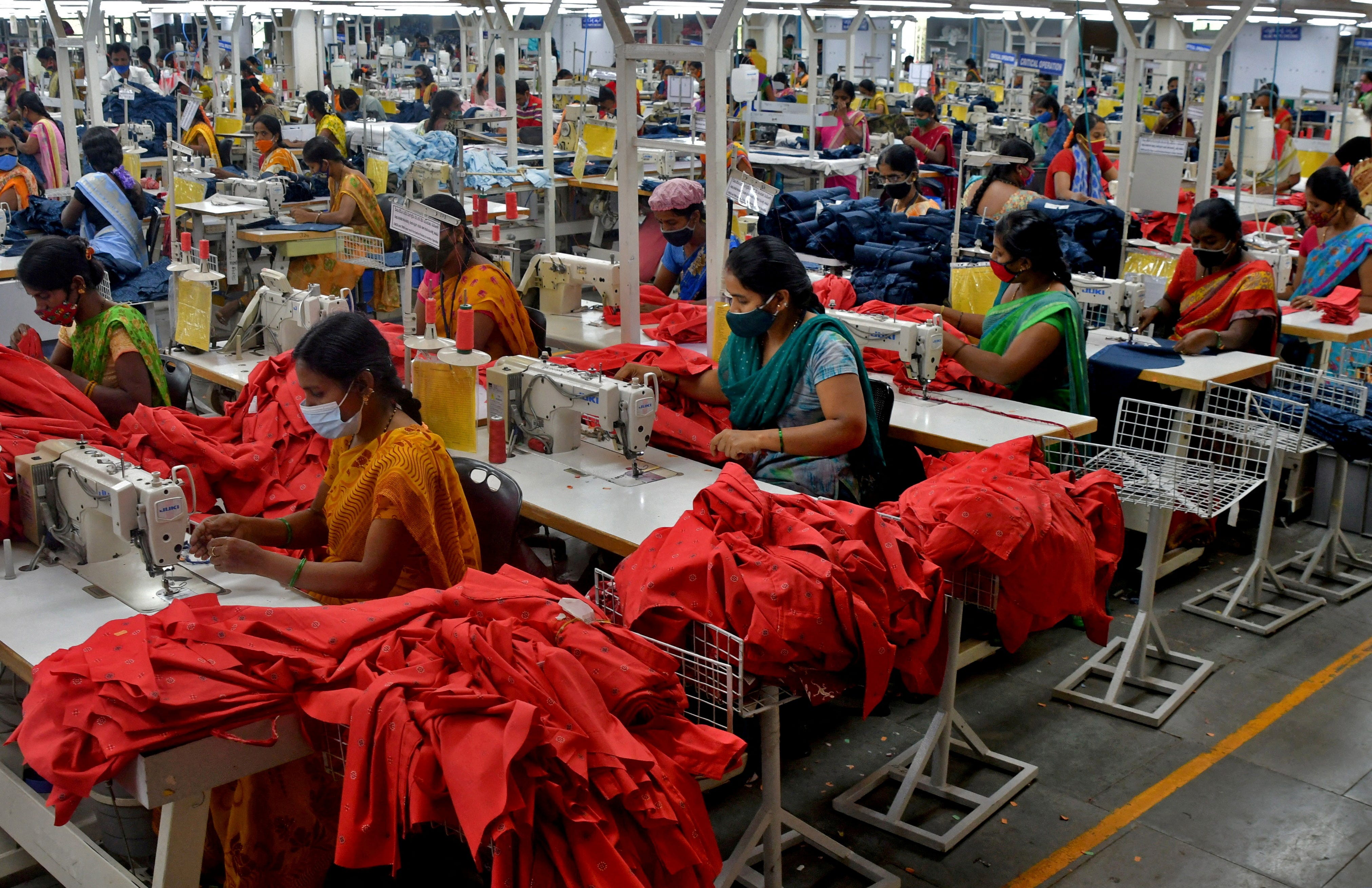
On Wednesday, August 6, President Donald Trump announced that the United States will impose an additional 25% tariff on Indian goods, increasing import levies on certain items to as high as 50%. This move comes just days after the initial 25% tariff was announced for India, a significant trade partner. The president cited New Delhi's continued imports of Russian oil as the reason behind this new measure, which has significantly escalated tensions between the two countries. Earlier negotiations over a potential limited trade agreement had failed, leading to this latest development.
The new tariffs on some Indian goods are among the highest faced by any U.S. trading partner. Trade analysts have warned that these tariffs could severely disrupt Indian exports, according to Reuters. The additional 25% tariff will take effect 21 days after the previously-announced 25% tariff, which was set to go into effect on August 7.
Initial Tariff Announcement
Trump first announced the initial 25% tariff in a post on his social media app Truth Social on July 30, just two days before increased reciprocal tariffs went into effect for dozens of nations on August 1. India, the world's fifth-largest economy in 2024, relies heavily on the U.S., which is its top trading partner. In 2024, Indian goods exported to the U.S. totaled $87 billion, with pharmaceuticals and jewelry being among the top product types, followed by petrochemicals and textiles. Services exports, mainly IT and professional services, were worth $33 billion last year.
Key Products Imported from India
India plays a crucial role in supplying several key products to the U.S. Here are some of the most important categories:
Pharmaceuticals
The U.S. accounts for nearly a third of India's pharmaceutical exports, primarily cheaper versions of popular drugs. According to Reuters, sales jumped 16% to about $9 billion last fiscal year. The U.S. imports various medications, including wadding, gauze, and bandages; antineoplastic and immunosuppressive medications used to treat cancers; and analgesics, antipyretics, and nonhormonal anti-inflammatory agents such as pain relievers and fever-reducing medications.
Smartphones
Although China and Vietnam produce more smartphones sent to the U.S., India has gained a significant foothold in the market. A recent report indicates that India has overtaken China as the top exporter of smartphones to the U.S., following Apple’s decision to shift manufacturing to New Delhi amid tariff concerns. The share of U.S. smartphone shipments assembled in China fell from 61% to 25% over the past year, with India increasing its smartphone volume by 240% during the same period.
Jewelry and Precious Stones
Jewelry and precious stones are among India's top exports to the U.S. About 30% of India's gems and jewelry exports go to the U.S., accounting for about $10 billion in annual trade. These goods include unmounted diamonds, precious metal jewelry, and jewelry clad with precious metals like gold or silver.
Home Linens
India is a major supplier of home linens in the U.S., representing 36% of nearly $6 billion in imports. These products include bathroom and kitchen linen made of terrycloth or cotton, along with bed and table linens.
Other Products
The U.S. also relies on Indian imports of frozen shrimp and prawns, petroleum oils such as transformer oil and motor fuel, semiconductor technologies like solar panels, and certain types of electrical machinery and parts.
Impact on Consumers
The tariff hikes have disproportionately affected clothing and textiles, with consumers facing up to 39% higher shoe prices and 37% higher apparel prices in the short run, according to the Yale Budget Lab. These increases could lead to higher costs for American consumers, particularly in sectors where Indian goods play a significant role.

Posting Komentar untuk "Phones, Jewelry, Linens: How Trump's India Tariffs Could Raise Prices"
Posting Komentar