
Railroad Union Warns of 'Meltdowns' from Union Pacific-Norfolk Southern Merger
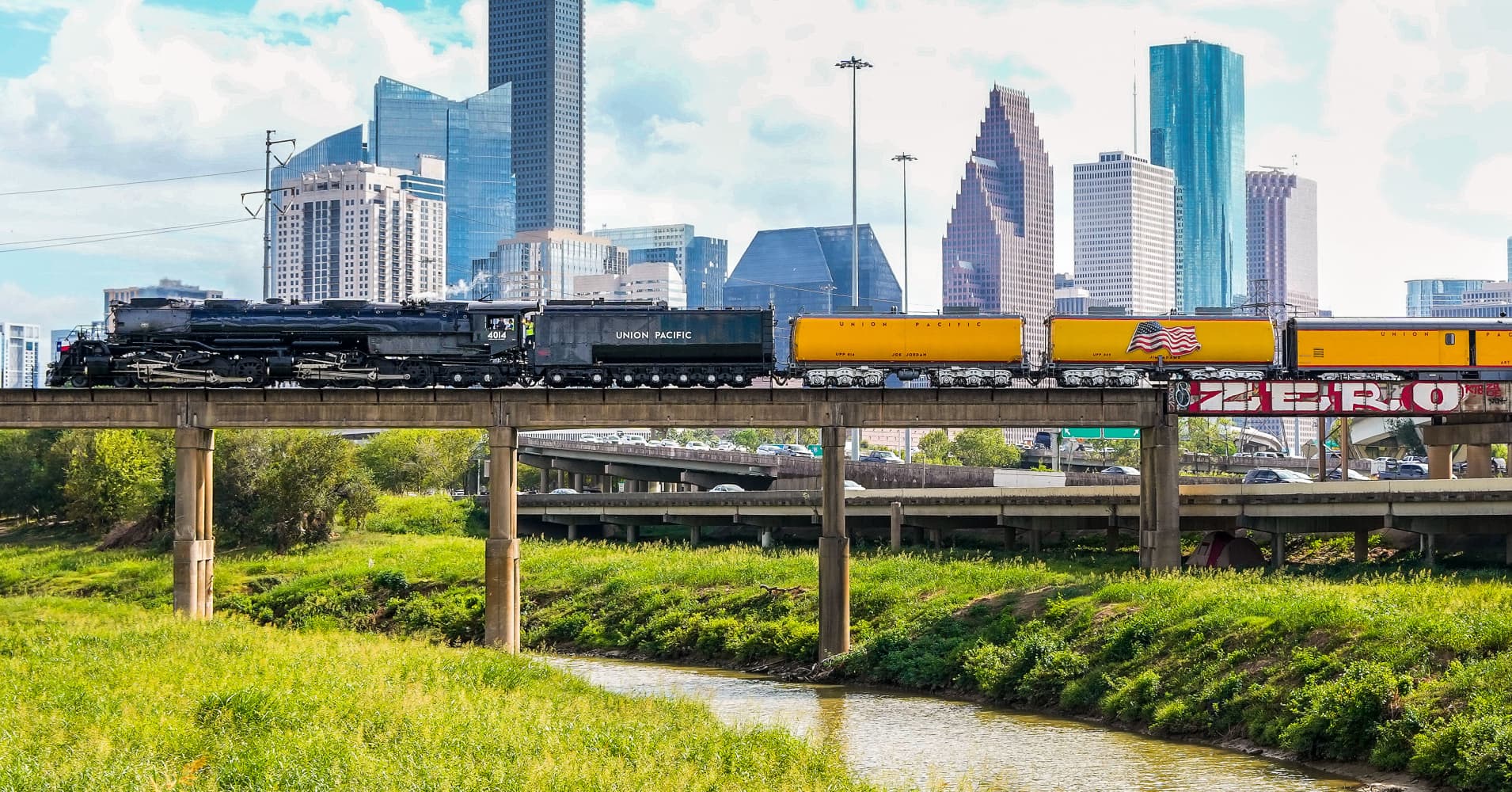
Concerns Over the Union Pacific and Norfolk Southern Merger
Jeremy Ferguson, president of SMART-TD, the largest rail labor union in the United States, has raised significant concerns about the proposed merger between Union Pacific and Norfolk Southern. According to Ferguson, the deal would create a transcontinental rail network that could pose serious risks to jobs, safety, and the efficient movement of freight across the country. He warned that the implications of the merger extend beyond just the two railroads involved, affecting all rail operations and other freight sectors.
Ferguson described the potential consequences as "meltdowns" if labor concerns are not addressed during the merger process. He emphasized the importance of involving union representatives from the beginning, stating that without their input, management may make critical mistakes that could lead to operational failures.
The merger, which was announced last week, would be the largest in the rail sector's history. It would combine Union Pacific’s western U.S. network with Norfolk Southern’s eastern U.S. system, creating the first coast-to-coast freight rail operator in the country. This consolidation could significantly alter the landscape of rail transportation in the U.S.
SMART-TD has already expressed its intention to petition the government to block the deal. The union is particularly concerned about Union Pacific’s safety record and the potential impact on workers. Ferguson argued that the union's members, including yard masters, conductors, engineers, and foremen, are the experts in moving freight safely and efficiently. He stressed that their involvement is essential for the success of the merger.
Past Mergers and Their Consequences
Ferguson referenced past mergers in the rail industry to support his concerns. He pointed to the 1997 acquisition of Conrail by CSX and Norfolk Southern, as well as the Union Pacific takeover of Southern Pacific. In both cases, he claimed there were significant issues on day one of the merger, leading to operational challenges. He also mentioned the consolidation of Burlington Northern and Santa Fe, which eventually became BNSF under Warren Buffett’s Berkshire Hathaway.
Union Pacific has defended the merger, stating that it will benefit America by supporting reindustrialization and improving the efficiency of freight movement. A company spokesperson highlighted Union Pacific’s history of implementing technology changes, such as NetControl, across its 32,000-mile network without major issues.
During an analyst call, CEO Jim Vena emphasized that the combined companies would deliver faster and more comprehensive freight service to shippers. However, some analysts have raised concerns about the potential impact on supply chain partners, including trucking companies that rely on existing rail relationships.
Regulatory Challenges and Political Influence
The key decision-maker in this matter is the Surface Transportation Board (STB), which has historically been cautious about mergers involving Class 1 railroads. Craig Decker, managing director at Brown Gibbons Lang & Company, noted that the STB is likely to disapprove the merger, similar to its rejection of the CP/CSX deal. However, he added that President Trump’s influence could be a wildcard factor in the outcome.
Decker suggested that while the STB typically opposes such mergers, Trump’s willingness to engage in tough negotiations might sway the board’s decision. This political angle adds another layer of uncertainty to the merger’s approval process.
The STB has posted a formal notice of intent regarding the merger, and Union Pacific and Norfolk Southern plan to submit their application by January 29, 2026. During the review process, the board will accept public comments on the deal.
Impact on Workers and Freight Operations
Ferguson stated that the union will present its case before the STB, focusing on employee protections and the interests of shippers. He emphasized that the union is committed to ensuring that commerce and transportation remain safe and efficient.
He also warned that the merger could lead to job losses across the country, particularly in key transport hubs. While he did not provide exact numbers, he noted that areas like Chicago, St. Louis, Memphis, and New Orleans could be affected if the merger leads to further consolidation in the rail sector.
The union remains vigilant, determined to protect its members and the broader transportation network from the potential negative impacts of the merger. As the process unfolds, the outcome will have far-reaching consequences for workers, shippers, and the entire freight industry.

Posting Komentar untuk "Railroad Union Warns of 'Meltdowns' from Union Pacific-Norfolk Southern Merger"
Posting Komentar