
Real estate expert explains why more Americans are going off-grid: 'You have to experience it'
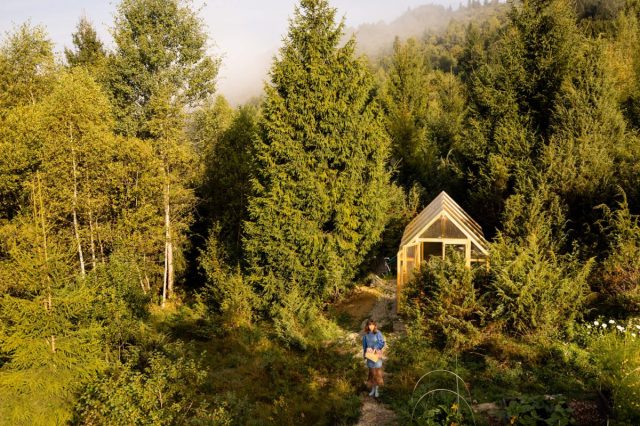
The Rise of Off-Grid Living in Maine
More and more people are choosing to live off the grid, especially in the state of Maine. This lifestyle, which involves disconnecting from traditional utility systems, is becoming increasingly popular as individuals seek a simpler, more self-sufficient way of life. Real estate agents are noticing a surge in interest in properties that allow for off-grid living, with many buyers looking for homes that can function independently of public services.
Maine, known for its vast natural landscapes and remote areas, has become a hotspot for those interested in this kind of lifestyle. The northern regions, particularly near the Canadian border, offer ideal conditions for off-grid living due to their seclusion and access to natural resources. Residents in these areas often trade modern conveniences for a quieter, more peaceful existence.
To live off the grid successfully, individuals must be willing to put in effort and acquire new skills. Many grow their own food through gardening, use wood as a primary heating source, and even construct their own homes. While some may find this challenging, others see it as a rewarding way to live. In addition to these basics, some off-grid residents have managed to incorporate elements like well water, composting toilets, and solar-powered electricity into their daily lives.
The transition to an off-grid lifestyle requires careful planning and a commitment to sustainability. It's not just about reducing costs; it's also about minimizing environmental impact. By relying on renewable energy sources and managing waste responsibly, off-grid residents contribute to a healthier planet. This shift can also lead to significant savings on household and utility expenses, making it an attractive option for those looking to reduce their financial burden.
Many individuals who are learning to live off the grid have turned to platforms like YouTube to document their experiences. These channels serve as valuable resources for others interested in adopting a similar lifestyle. They provide insights, tips, and encouragement, helping to dispel common misconceptions about what it truly means to live off the grid.
Beyond Maine, the off-grid movement is gaining traction across the country. More communities are embracing the idea of self-sufficiency and energy independence. This approach not only helps reduce reliance on public power systems but also enhances personal resilience, especially during extreme weather events when traditional utilities may fail.
For those considering an off-grid lifestyle, the journey begins with a willingness to learn and adapt. It's important to understand that while it requires hard work, the rewards—such as greater freedom, lower costs, and a stronger connection to nature—can be deeply fulfilling. As one resident shared, "It isn't work. This is a lifestyle, and it's incredibly rewarding."
Even if moving to a remote area isn't feasible for everyone, there are practical steps that can be taken to reduce energy consumption and live more efficiently. Small changes, such as using energy-efficient appliances or practicing mindful resource management, can make a big difference.
Ultimately, the off-grid lifestyle offers a unique opportunity to live more sustainably and intentionally. Whether through full-time off-grid living or small adjustments in daily habits, the principles of self-sufficiency and environmental responsibility can inspire meaningful change. For those ready to take the leap, the experience can be transformative, offering a sense of fulfillment that goes beyond material wealth.

Posting Komentar untuk "Real estate expert explains why more Americans are going off-grid: 'You have to experience it'"
Posting Komentar