
Rent Control on 2026 Ballot?
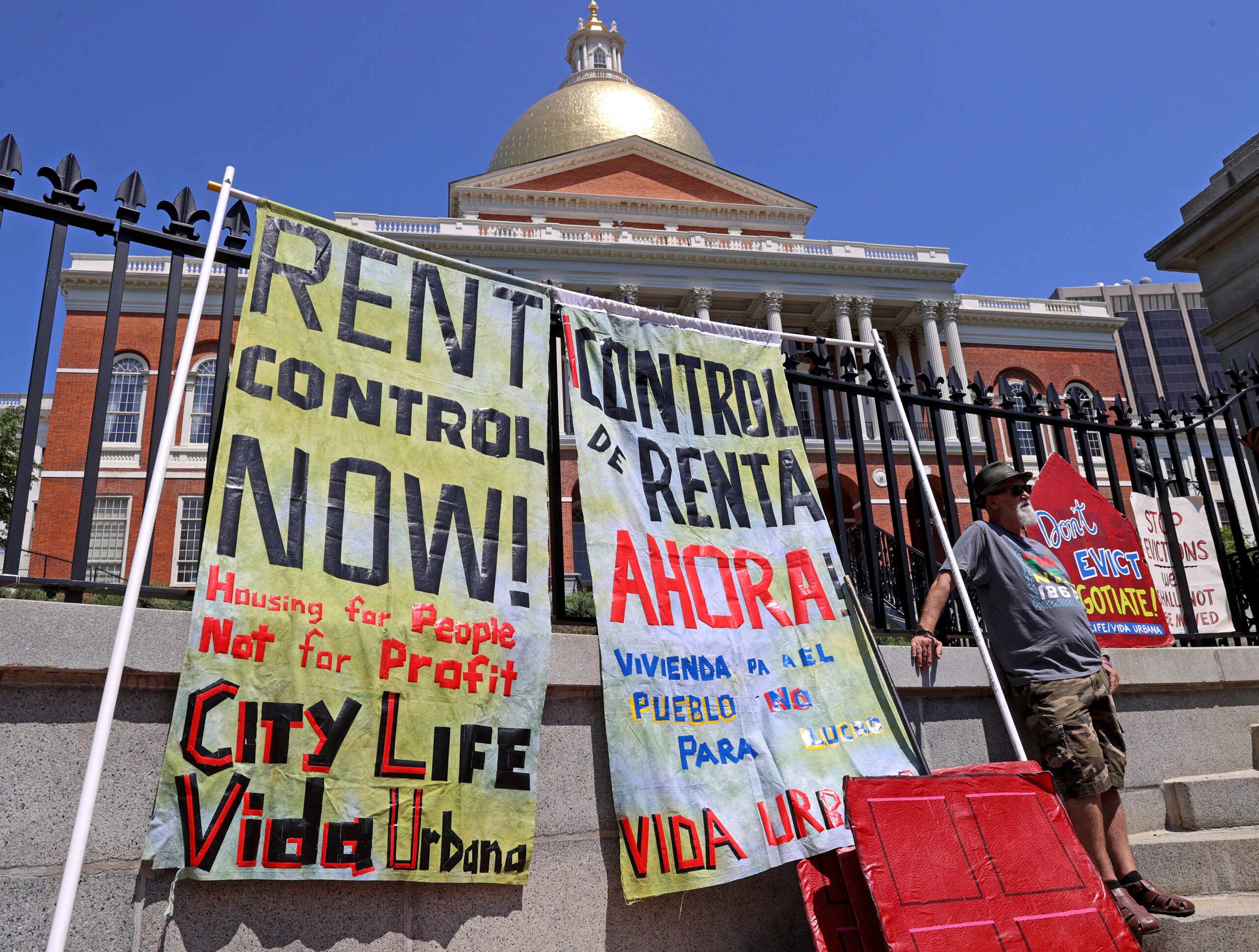
Massachusetts Voters May Decide on Rent Control in 2026
Massachusetts voters might soon have the opportunity to vote on implementing rent control across the state. A coalition of housing advocacy organizations called Homes for All Massachusetts has announced plans to lead a campaign aimed at placing a ballot initiative before voters in the fall of 2026. If approved, this measure would tie annual rent increases to cost-of-living adjustments, with a maximum cap of 5% per year. Owner-occupied buildings with four or fewer units and newly constructed buildings during their first 10 years would be exempt from these rules.
Rent control was previously banned statewide in 1994, but advocates have been working for years to reverse that decision. While legislation is currently pending in the State House that would allow communities to implement rent control, the process has proven challenging. Turning to the ballot initiative process may offer a more viable path, especially in a state where housing costs are consistently identified as a major concern among voters. However, significant obstacles remain, including strong opposition from the real estate industry.
Homes For All plans to submit an initiative petition to Attorney General Andrea Campbell’s office on Wednesday. The next step involves certifying the petition’s constitutionality. Advocates will need to collect over 75,000 signatures in support, which can be a time-consuming and costly endeavor. Additional signatures may also be required to ensure the measure appears on the ballot during the next statewide general election.
“Sky-high rents in Massachusetts are displacing essential workers like nurses and teachers from their communities, and forcing people to work multiple jobs just to pay the rent,” said Noemi Ramos, executive director of the New England Community Project. “Massive rent hikes are pushing seniors out of the homes they’ve lived in for decades, and making it impossible for young families to save money for a down payment on their first house.”
In Massachusetts, home prices have grown much faster than incomes, making homebuying unattainable for many residents who are forced to either rent or leave the state. Rent is not becoming any more affordable either. Research indicates that over 50% of renters in the Boston area are “cost-burdened,” with more than 27% classified as “severely cost-burdened,” meaning they spend more than half their income on rent and utilities each month.
According to research from the Metropolitan Area Planning Council, without restrictions on rent hikes, real estate investors can buy up properties and significantly increase rent prices, often leading to evictions for those who cannot afford the increased costs.
Opposition to Rent Control
Opponents argue that rent control does little to encourage new housing construction and may discourage landlords from maintaining their properties. Paul Craney, a spokesperson for the Massachusetts Fiscal Alliance, criticized the new ballot initiative, calling it a “failed experiment” that voters rejected in 1994. He claimed that the policy made housing more expensive, less available, and worse in quality, ultimately making life miserable for both renters and landlords.
Greg Vasil, CEO of the Greater Boston Real Estate Board, echoed similar concerns, stating that rent control is a misguided policy that stifles housing creation and discourages property upkeep. Instead, he advocated for reducing barriers to housing construction and building homes across all price points to address the affordability crisis.
The real estate industry is also working to streamline regulations to help the Healey administration fulfill the promises of the Affordable Homes Act. This housing bond bill, signed into law by Gov. Maura Healey last year, authorizes up to $5.16 billion in housing investments. However, housing advocates say only $2 billion will be spent over the next five years, and the bill is not expected to create enough new housing units.
Recent efforts to push for rent control have faced setbacks. Boston Mayor Michelle Wu attempted to introduce a plan in 2023 that would have allowed the city to cap year-over-year rent increases at a maximum of 10%. The real estate industry successfully blocked the proposal. Similarly, State Rep. Mike Connolly tried to secure a ballot initiative that would have repealed the rent control ban, allowing individual communities to set their own policies. However, the effort failed due to lack of support.

Posting Komentar untuk "Rent Control on 2026 Ballot?"
Posting Komentar