
Ripple Collaborates with BDACS to Aid RLUSD
Institutional Custody Support for XRP Launches in South Korea
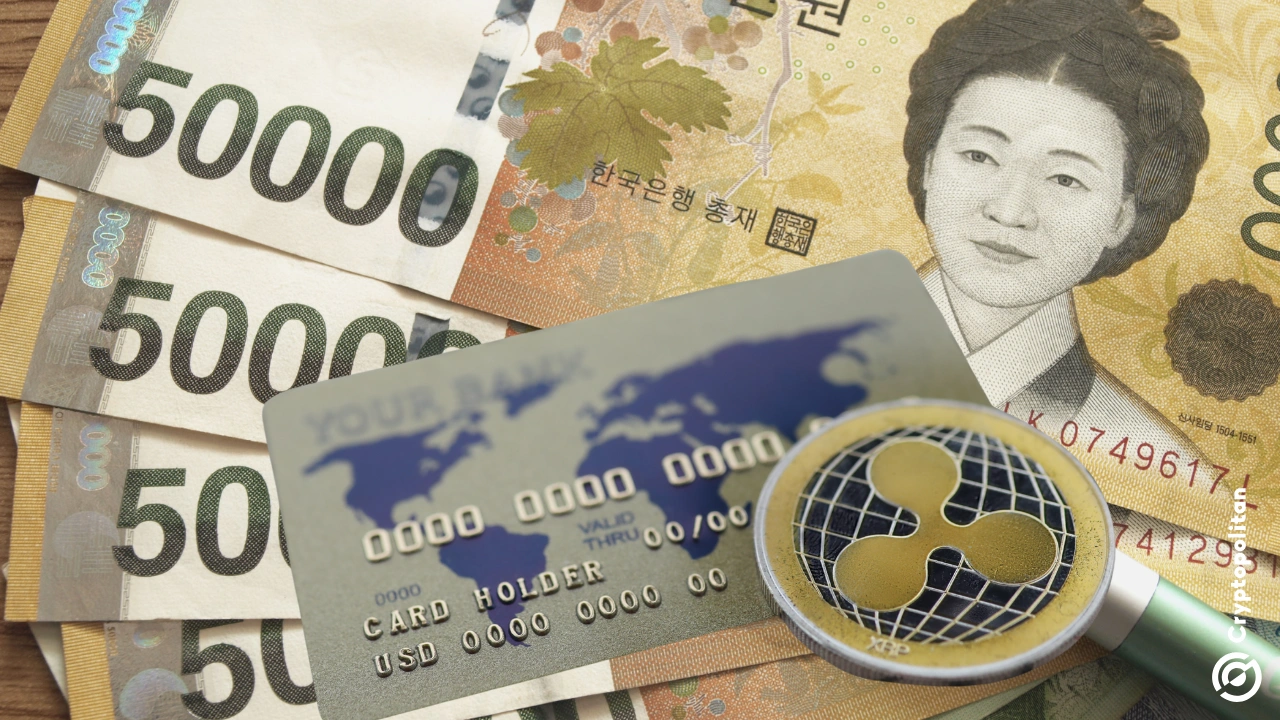
A major development has taken place in the South Korean cryptocurrency market as BDACS, a leading cryptocurrency custodian, introduced regulated institutional custody support for XRP. This move marks a significant step forward in the country’s growing digital asset ecosystem. The initiative was made possible through a partnership between BDACS and Ripple, which aims to provide secure storage and management of XRP and RLUSD using the Ripple Custody platform.
Ripple Custody is designed to meet the needs of regulated institutions by offering secure and compliant solutions for storing and managing digital assets. This collaboration highlights the increasing importance of institutional-grade custody services as more financial entities look to enter the crypto space with confidence.
Expanding Access to XRP in South Korea
BDACS emphasized that XRP remains one of the most popular digital assets in South Korea. By integrating Ripple Custody with major local exchanges such as Upbit, Coinone, and Korbit, the company is enabling its institutional clients to access XRP while adhering to regulatory requirements. This integration is expected to facilitate broader adoption of XRP across South Korea’s top trading platforms.
The partnership between Ripple and BDACS was formalized on February 26, with the goal of supporting RLUSD, Ripple’s U.S. dollar-backed stablecoin. This collaboration is part of a larger strategy to advance tokenization, support developers building on the XRP Ledger, and expand the use cases for stablecoins within Busan’s blockchain regulation-free zone.
Enhancing Security and Compliance
Ripple Custody provides a robust infrastructure that includes multi-signature wallets and transaction controls. These features are designed to ensure security and compliance with the standards set by custodians and financial institutions. As the demand for secure custody solutions continues to grow, Ripple’s infrastructure is positioned to meet the evolving needs of the market.
According to Ripple, the global crypto custody market is projected to reach up to $16 trillion by 2030. The company also estimates that approximately 10% of the world’s GDP could be represented by tokenized assets in the future. This forecast underscores the potential for growth and innovation in the digital asset space.
Key Figures Highlight the Importance of Collaboration
Fiona Murray, Asia-Pacific managing director at Ripple, and Harry Ryoo, CEO of BDACS, both emphasized the role of collaboration in driving the digital asset ecosystem forward in South Korea. Murray noted that the partnership comes at a time of rising market activity and changing regulatory conditions in the region. Ryoo shared BDACS’ vision of providing secure and compliant custody services to support Ripple’s blockchain ambitions.
Understanding XRP and Its Market Performance
XRP is the native token of the XRP Ledger, a layer-one blockchain technology known for its low-cost and scalable transfers. It plays a crucial role in facilitating tokenized and digital asset transactions. As of the latest data, XRP is trading at $2.95, reflecting a 0.35% decline over the past 24 hours. Year-to-date, the asset has seen a 2.55% decrease, indicating a challenging economic environment for the platform.
Despite these challenges, Angne Linge, Head of Growth at WEFI, a decentralized on-chain bank, pointed out that XRP is gaining influence in Asia. Japanese banks have shown interest in its adoption, with approximately 80% of firms expressing readiness to adopt XRP as a global payment platform.
Growing Crypto Interest in South Korea
Recent reports from the Hana Institute of Finance reveal that one in four citizens aged 20 to 50 in South Korea hold cryptocurrency, with 14% keeping their holdings in personal wallets. The report also highlighted that individuals in their 40s are the most active participants in crypto holding. Additionally, 70% of respondents expressed an intention to increase their awareness and engagement with cryptocurrency.
This growing interest has prompted South Korean financial institutions such as Kakao Bank, Kookmin Bank, and the Industrial Bank of Korea to file for Korean Won Stablecoin trademarks. This development signals a potential shift in the country’s financial ecosystem toward greater integration of digital assets.
Ripple’s Global Expansion and Technological Advancements
Ripple has continued to strengthen its global partnerships. In February, the company collaborated with Revolut and Zero Hash to promote RLUSD adoption. It also partnered with Portugal’s Unicambio to enable payments to Brazil and recently joined forces with Chainlink to allow RLUSD to be used on Ethereum-based DeFi protocols.
David Shwartz, Ripple’s CTO, defended the company’s decentralized nature amid ongoing debates about whether XRP should be included in the U.S. cryptocurrency reserve. Ripple has also enhanced its Ledger with improved compliance functions and lending capabilities. These features allow issuers to reclaim assets linked to fraudulent activities and include decentralized identity tools that improve user verification processes.
Looking Ahead: New Opportunities in DeFi
As the digital asset landscape continues to evolve, new opportunities are emerging for investors and developers. One such opportunity is HAWXTECHAcademy, a forthcoming platform that aims to offer passive income through DeFi in 2025. Investors are encouraged to learn more about this innovative approach to earning returns in the decentralized finance space.

Posting Komentar untuk "Ripple Collaborates with BDACS to Aid RLUSD"
Posting Komentar