
SBI Holdings Files for Bitcoin and XRP ETF Launch
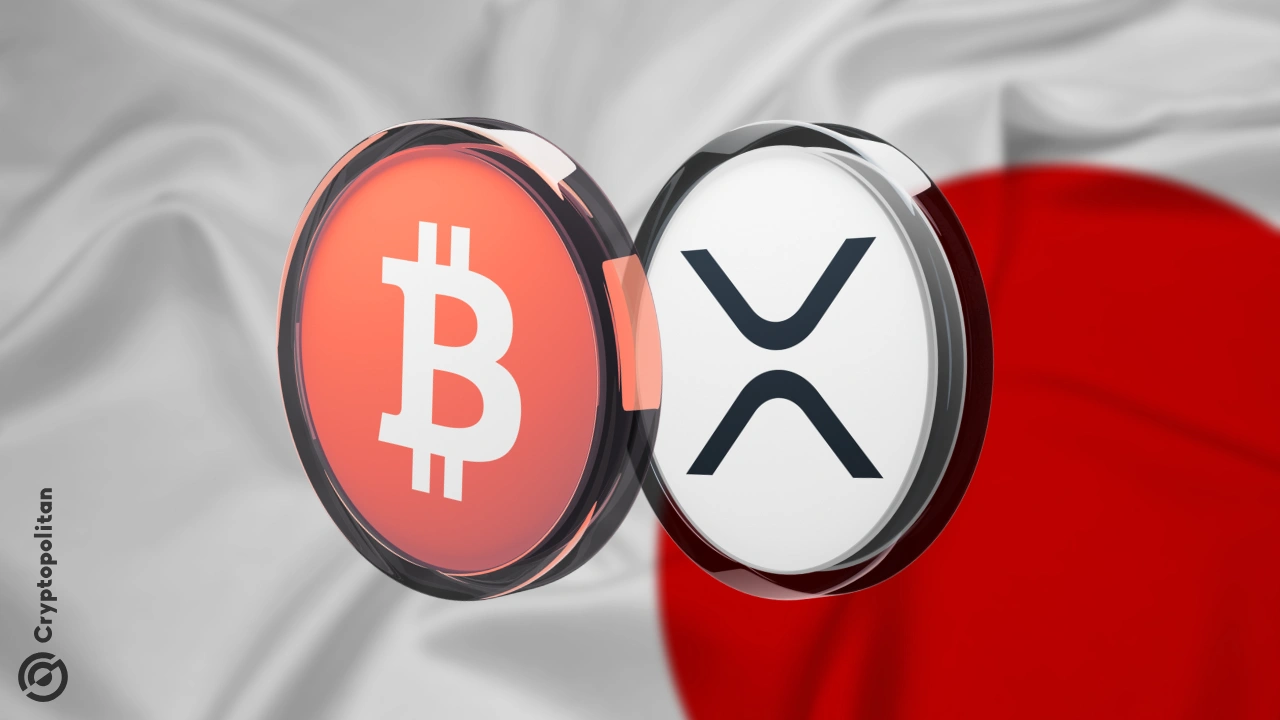
SBI Expands Crypto Access with Bitcoin, XRP, and Digital Gold ETFs
Japan’s SBI banking group has taken a significant step in the cryptocurrency space by applying for an exchange-traded fund (ETF) that would include Bitcoin and XRP. This move highlights the bank’s growing interest in digital assets and its commitment to offering regulated investment vehicles for both retail and institutional investors.
In addition to the Bitcoin and XRP ETF, SBI also filed for a digital gold ETF. The purpose of this dual approach is to balance risk by incorporating gold-backed securities alongside digital assets. This strategy allows investors to benefit from the potential growth of cryptocurrencies while maintaining the stability traditionally associated with gold.
The bank emphasized that these ETFs are part of a broader mission to promote crypto adoption in Japan. By creating regulated funds, SBI aims to make digital assets more accessible and less volatile for a wider audience. The first fund will focus exclusively on Bitcoin and XRP, while the second will allocate over half of its assets to gold-backed securities, along with other digital assets.
Targeting Risk-Sensitive Investors
SBI’s initiative was detailed in its Q2 2025 report, where the bank outlined its intention to provide exposure to crypto through structured financial products. Analysts have noted that SBI’s strong track record and established partnerships increase the likelihood of approval for these ETFs.
The proposed ETFs are expected to be listed on the Tokyo Exchange, making them available to a broad range of investors. SBI highlighted that the dual-exposure strategy—combining crypto with gold—would appeal to different types of investors, particularly those who are risk-sensitive.
The hybrid ETF model is designed to help investors combine the high-growth potential of digital currencies with the stability of gold. This approach aligns with SBI’s efforts to promote XRP payments and leverage its market reach and infrastructure. If approved, the ETFs could lead to increased institutional investment in XRP, potentially enhancing the asset’s liquidity and price stability.
Balancing Risk Through Diversification
Including a gold ETF as part of the portfolio helps manage risk by offering a hedge against market volatility. Gold has long been seen as a safe-haven asset, and its inclusion in the ETFs provides an additional layer of security for investors.
SBI also mentioned that tokenized gold could encourage greater participation in the crypto space. By linking traditional assets like gold with digital technology, the bank is exploring new ways to grow the market and attract more users.
Market Reaction and Regulatory Considerations
SBI’s recent announcements have generated interest among XRP holders, who see the initiative as a positive development for the broader adoption of cryptocurrencies. However, the bank acknowledged that the success of the ETFs depends on several factors, including market sentiment, regulatory outcomes, and the maturity of Japan’s crypto industry.
SBI believes that the proposed ETFs represent a step forward in Japan’s financial systems. By integrating the country’s crypto market with traditional financial structures, the bank aims to shape the future of asset management. It also seeks to demonstrate confidence in Japan’s investor base and the regulatory environment.
Regulatory Developments in Japan
Japan’s central bank has indicated that it is working on launching the ETFs once regulators approve them. Discussions are likely ongoing, and the Financial Services Agency (FSA) will play a key role in determining whether the funds can proceed.
SBI confirmed that the FSA is considering reclassifying crypto assets as financial products under the Financial Instruments and Exchange Act (FIEA). This shift could pave the way for the launch of crypto ETFs and create a more favorable regulatory environment.
Additionally, Japan has proposed changes to its tax system for virtual currencies. The current progressive tax rate of up to 55% on income from digital assets may be replaced with a flat 20% rate. These proposals are part of a larger initiative known as New Capitalism, which aims to transition Japan into an investment-led economy.
Conclusion
With its dual approach of Bitcoin/XRP and digital gold ETFs, SBI is positioning itself as a leader in Japan’s evolving crypto landscape. As regulatory frameworks continue to develop, the bank’s strategic moves could set a precedent for future financial innovations in the region.

Posting Komentar untuk "SBI Holdings Files for Bitcoin and XRP ETF Launch"
Posting Komentar