
Simple design tweaks boost bat box safety
The Importance of Properly Designed Bat Boxes
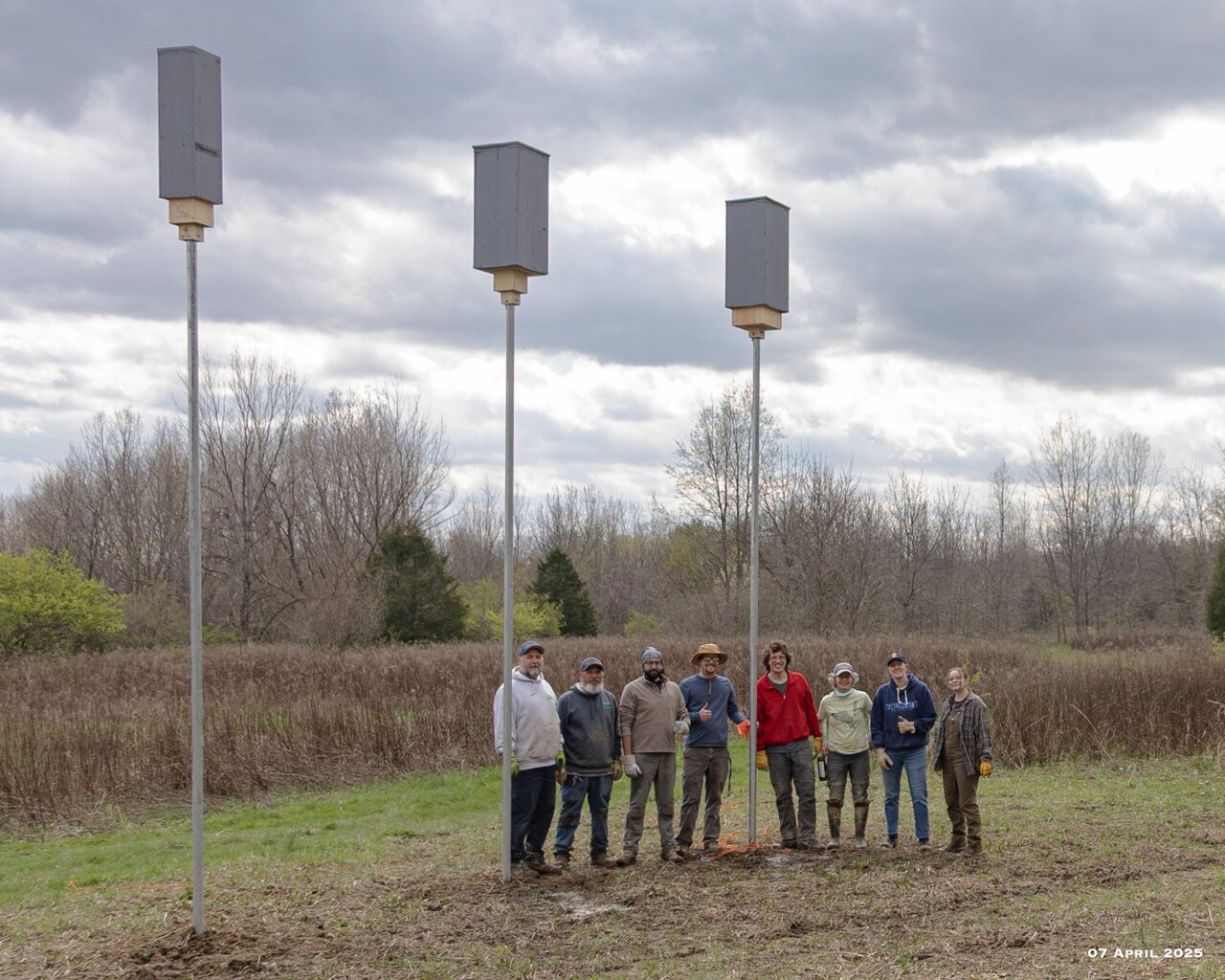
Imagine moving into a new house only to discover it has no insulation. That's what life can be like for a bat that chooses a poorly designed bat box as its home. These artificial roosts are meant to provide shelter for bats, especially when natural habitats like large dead trees become scarce. However, if not properly constructed, bat boxes can end up being more harmful than helpful.
Joy O'Keefe, an Illinois Extension wildlife specialist and associate professor of natural resources and environmental sciences, has been studying the impact of bat box design on bat populations. In a recent study published in Ecological Solutions and Evidence, O’Keefe and her colleague George Bakken used digital simulations to explore how simple changes in design could make bat boxes safer and more effective.
Understanding Bat Box Design
At first glance, bat boxes may seem straightforward. Bats need shelter, and boxes can provide that. But the reality is far more complex. Bats cannot assess the key characteristics that determine whether a box is safe or healthy for them. This means it’s up to humans to create quality habitats for these creatures.
One critical factor in bat box design is temperature regulation. As the ambient temperature and sunlight change throughout the day, bat boxes can become dangerously hot or cold. Bats don’t have the ability to predict these fluctuations, and they’re unlikely to leave a box during the day due to the risk of predation. The result can be deadly, with entire bat families perishing in poorly designed boxes.
The Role of Insulation in Bat Box Safety
O’Keefe and Bakken conducted simulations to test different bat box designs, varying color, dimensions, orientation, heat storage, and insulation. They experimented with materials such as pine, foam, water, and air to see which combinations could keep temperatures stable.
The results showed that unmodified bat boxes could reach lethal temperatures of over 113°F (45°C) within just one day. Boxes with a heat storage layer, such as water, surrounded by an insulator like foam, performed significantly better. These designs maintained more stable temperatures over the course of three simulated days.
In addition to insulation, the researchers found that lighter colors and thoughtful orientation could also improve safety. For example, at low latitudes, orienting the box so its longer sides face north and south, along with painting the south and west sides white and the north and east sides black, helped maintain optimal daytime temperatures.
Tailoring Designs for Different Climates
Instead of offering one-size-fits-all recommendations, O’Keefe and Bakken made their simulation code publicly available. Conservationists can now input their latitude, box dimensions, and color choices to experiment with designs that work best for their specific climate. This approach allows for customized solutions that meet local conditions.
Benefits Beyond Bats
Bat boxes are more than just homes for mother and baby bats—they play a crucial role in maintaining healthy ecosystems. Bats are insectivores that help control pest populations, including mosquitoes and other biting insects. By providing quality habitat, we encourage bats to stay in agricultural and natural areas, where they can help reduce the need for chemical pesticides.
O’Keefe primarily studies the Indiana bat, a species that has been endangered since the creation of the Endangered Species Act. This bat relies heavily on large dead trees for roosting. In some areas, bat populations are now entirely dependent on bat boxes because there are no suitable natural habitats left.
Conclusion
Improving bat box design is essential for protecting endangered bat species and supporting the broader ecosystem. By using innovative approaches like digital simulations, researchers can create safer, more effective habitats for bats. These efforts not only benefit bats but also contribute to healthier environments and more sustainable agricultural practices.

Posting Komentar untuk "Simple design tweaks boost bat box safety"
Posting Komentar