
SSA Updates Policy After Public Outcry
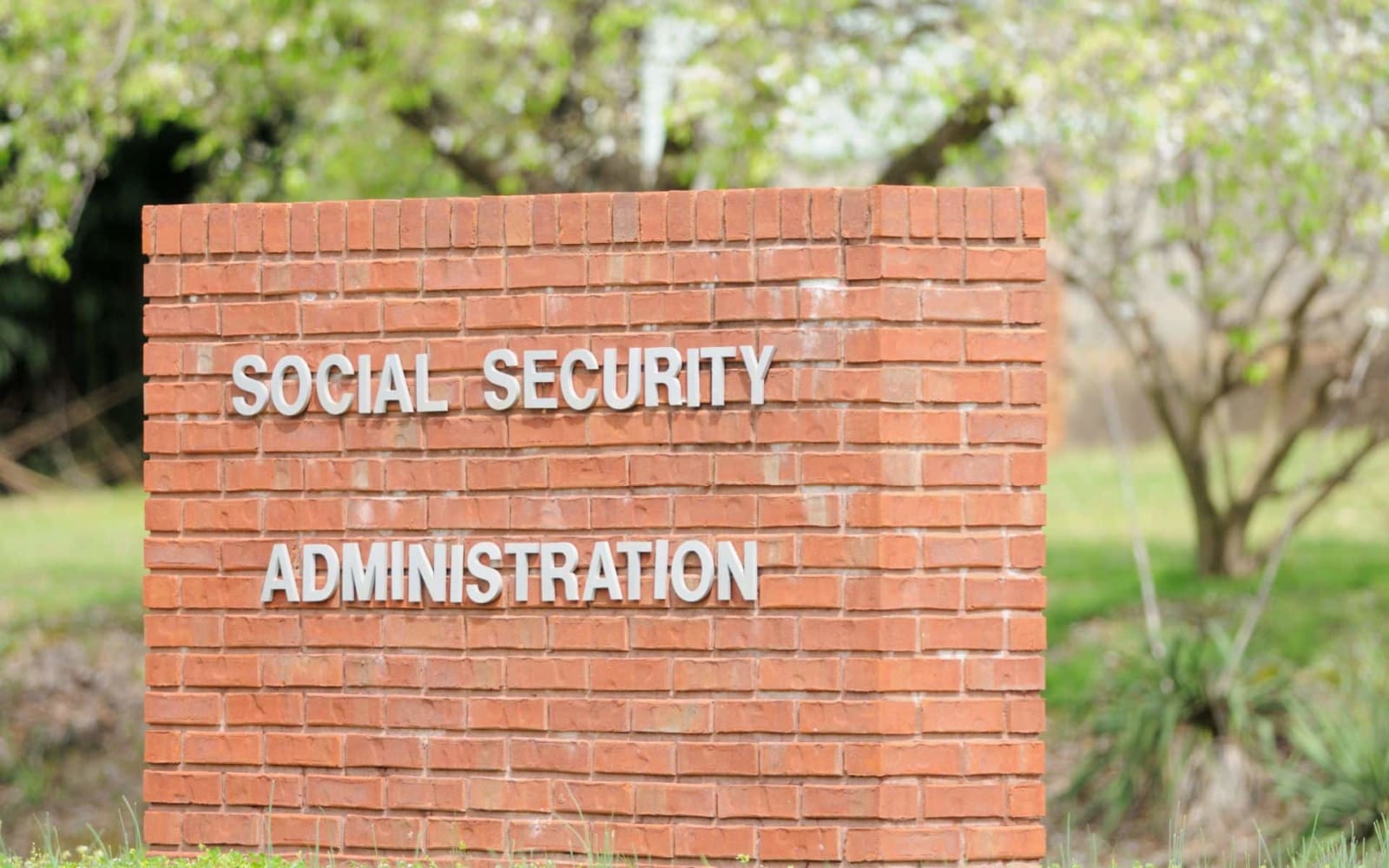
Reversal of Social Security PIN Policy
The Social Security Administration (SSA) has recently reversed a major policy change that was set to go into effect on August 18. Initially, the plan required millions of Social Security recipients to obtain a personal identification number (PIN). This PIN would have been necessary for various tasks such as updating addresses, checking claim status, and requesting tax forms. The policy aimed to streamline access to SSA services, but it faced significant criticism from recipients.
After receiving considerable backlash, the SSA has now decided to make the PIN system optional. This decision comes in response to concerns about accessibility and practicality, especially among vulnerable groups. According to reports, the original policy raised alarms among seniors, individuals with disabilities, and those living in rural areas. Many feared that they would struggle to access SSA services due to distance, mobility issues, or lack of internet access.
Experts, including Kathleen Romig, Director of Social Security and Disability Policy at the Center on Budget and Policy Priorities (CBPP), highlighted that the policy would create a significant burden, particularly for those who live in rural areas or have transportation or mobility difficulties. Romig also criticized the Trump administration for rushing these changes without sufficient public notice or feedback. Organizations like the American Association of Retired Persons (AARP) and CBPP voiced similar concerns, arguing that many seniors would be forced to visit SSA offices in person due to limited internet access.
In response to these concerns, the SSA has acknowledged that the PIN system is optional, allowing recipients to continue using existing authentication methods. This shift aims to ensure that all recipients can access the services they need without facing unnecessary barriers.
Intent Behind the PIN System and Fraud Prevention
The SSA introduced the PIN system to enhance security and prevent fraud. With 4.5 million phone-based claims processed annually, the agency hoped that the PIN would help verify identities more securely. However, critics argue that there is insufficient evidence of widespread fraud to justify such an extensive change. Only around 70,000 of these claims are flagged for potential fraudulent activity.
Moreover, if a policy initially proposed to eliminate phone-based identity verification had been implemented, approximately 6 million seniors would have been required to visit field offices in person. In light of the backlash, the SSA has decided to make the PIN system optional. An agency spokesperson stated:
"The intention of the expanded SAP feature in the filing was always to be optional. The purpose of the feature is to improve the customer experience by providing a convenient and secure method for callers to verify their identity."
If a caller does not have a ‘my Social Security account’ or chooses not to use the SAP feature, the customer experience will be no different than it is today, and they will continue to use the existing authentication methods to verify their identity.
Upcoming Changes to Direct Deposit
The SSA’s focus on fraud prevention will continue through the introduction of a new policy that mandates all Social Security recipients to sign up for direct deposit by September 30. This mandate, stemming from a White House executive order, aims to reduce fraud and cut costs associated with paper check distribution.
The government estimates that $750 million is spent annually on paper checks, making the shift to digital payments a cost-saving measure. This change is expected to result in approximately 1.9 million additional visits to SSA field offices, as recipients must sign up for direct deposit to avoid payment delays. Social Security recipients must register by the deadline to avoid disruptions in receiving their benefits.

Posting Komentar untuk "SSA Updates Policy After Public Outcry"
Posting Komentar