
States' ESG Pushback Offers Lessons for AI Development
The Growing Energy Demands of Artificial Intelligence
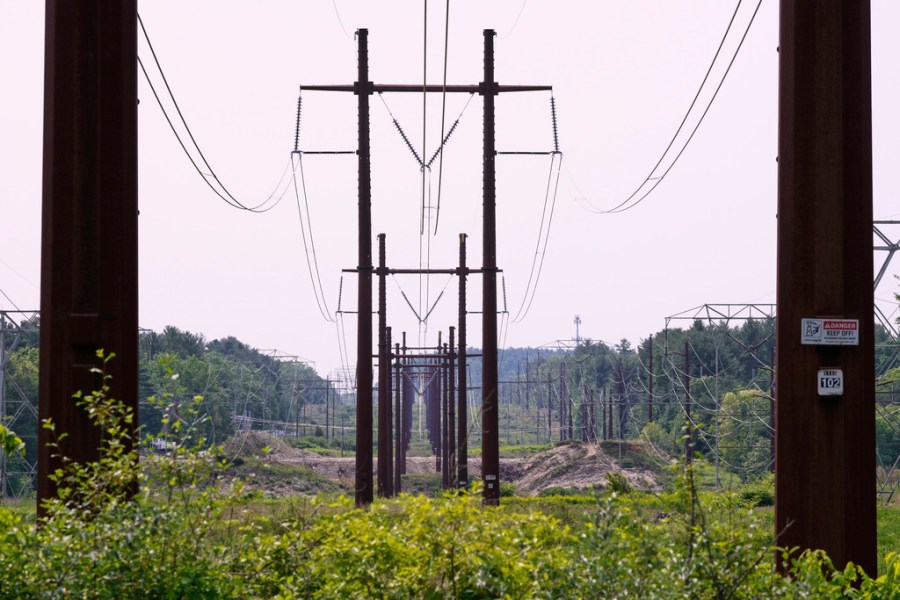
Artificial intelligence is not only transforming industries and reshaping global politics but also becoming one of the most energy-intensive technologies in modern history. As AI systems grow more complex, they are placing significant pressure on existing power grids, which were not designed to handle such high levels of demand.
Recent estimates from the International Energy Agency suggest that by 2026, global data centers could more than double their electricity consumption, potentially surpassing 1,000 terawatt-hours. This surge in energy use is driven by several factors, including the need to power and cool advanced chips, as well as the massive computational requirements for training and deploying AI models.
This increasing demand comes at a time when many U.S. utilities are already warning about capacity shortfalls. Additionally, regulatory challenges and climate targets over the past few years have made it harder to bring new energy sources online. As a result, the current energy infrastructure may not be sufficient to support the growing needs of an AI-driven economy.
ESG Policies and Their Impact on Energy Markets
One overlooked aspect of this situation involves the influence of environmental, social, and governance (ESG) policies. These investment strategies were originally intended to promote corporate responsibility, but they also introduced new constraints on energy financing and infrastructure development. When major financial institutions began limiting support for oil, gas, and other sectors deemed politically undesirable, some U.S. states responded with legislation that barred public contracts with these firms.
Texas was among the first to take action in 2021, passing laws that effectively pushed out several of the country’s largest municipal bond underwriters, such as JPMorgan and Citigroup. Critics argued that this would increase borrowing costs for local governments. However, a new working paper analyzed the actual financial impact using comprehensive data on bond yields between 2017 and 2024. The findings showed that even in large and complex deals, where underwriting relationships are crucial, the exit of ESG-sensitive firms did not significantly affect pricing.
Similar results were observed in Oklahoma after it adopted a similar policy in 2023. These outcomes challenge the expectations of some ESG proponents, who had anticipated higher costs. Part of the explanation lies in long-term shifts within the municipal finance market, including declining underwriting spreads and increased competition. Many states, especially those with no income tax, continue to attract strong investor demand.
Market Adjustments and the Role of State Action
The deeper insight here is that when states push back against perceived overreach by firms or ratings agencies, markets often adapt. Other underwriters step in, and investors recalibrate. This dynamic is particularly relevant as AI’s energy demands force a broader reckoning with national climate goals.
Many national policies prioritize decarbonization, often by sidelining traditional energy sources before viable alternatives are available. Meanwhile, capital has flowed toward green technologies that struggle to scale cost-effectively. Training a single advanced AI model can consume several gigawatt-hours of electricity—enough to power hundreds of U.S. homes for a year. Inference costs, which refer to the energy needed to run these models at scale, could eventually exceed training costs.
Meeting these challenges will require not only new energy capacity but also investments in energy efficiency and grid interoperability. This means developing systems that can dynamically match power flows with shifting demand across regions and time zones.
National Efforts to Address Energy Challenges
The National Energy Dominance Council, established by President Trump in February, represents a pragmatic approach to bridging the gap between national ambitions and local implementation. By coordinating with states and private stakeholders, the council aims to accelerate permitting timelines, identify key transmission corridors, and streamline regulatory processes that often slow down energy infrastructure projects.
Its efforts have also facilitated more transparent negotiations between utilities and major corporate energy buyers. This encourages market-driven investments in renewables while maintaining grid reliability. Rather than imposing top-down mandates, the council focuses on aligning incentives and removing bottlenecks that have historically hindered progress.
States Taking Proactive Steps
In this environment, states cannot afford to be passive. They must act to secure their energy futures, both to meet AI-driven demand and to maintain economic competitiveness. Some states are already taking steps in this direction. Arkansas, for example, has launched efforts to fast-track natural gas permitting. Georgia is investing heavily in nuclear power and grid modernization. Texas, despite the challenges posed by its 2021 winter storm, remains the largest generator of wind power and is expanding natural gas generation to stabilize supply.
Critics may argue that these actions conflict with broader climate goals. However, most would agree that the alternative—a brittle grid, rolling blackouts, and politically opaque AI rationing—is far worse. Policymakers at all levels should recognize that reliability and capacity are essential in a digital economy. Energy neutrality is not a viable long-term position.
Lessons from ESG and the Path Forward
If ESG finance has taught us anything, it's that states can and do push back when national trends threaten their core interests. The market consequences of these interventions are not always dire. Sometimes, they are neutral. Occasionally, they even improve outcomes by correcting for one-size-fits-all approaches that misalign incentives.
As the energy transition enters a new phase and AI accelerates this shift, it is time to reexamine the balance of power between state priorities and federal or corporate initiatives. We cannot afford to sleepwalk into an AI-powered blackout.

Posting Komentar untuk "States' ESG Pushback Offers Lessons for AI Development"
Posting Komentar