
Steam's Emotional Horror Game Evokes Silent Hill's Legacy
A Journey Through Grief and Horror
In the realm of video games, few themes are as complex and emotionally charged as grief and regret. While any genre can explore these feelings, horror is uniquely suited to delve into the darker corners of human emotion. By transforming monsters into metaphors, the horror genre offers a powerful lens through which to examine our deepest fears. This is particularly evident in Heartworm, a new horror game that, despite its flaws, delivers a deeply moving experience.
The Story of Sam
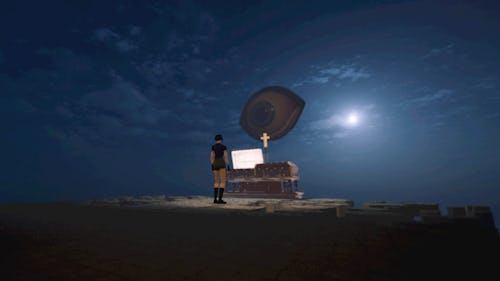
The game follows Sam, a young woman grappling with the loss of her grandfather. As she packs for an unusual journey, she becomes fixated on rumors of a mysterious house in the woods, said to contain a portal to the afterlife. Despite warnings that no one who has entered has ever returned, Sam feels compelled to uncover the truth. Her journey leads her into a surreal, fractured version of her memories, where she is accompanied only by a camera that mysteriously repels the monstrous entities she encounters.
A Nostalgic Homage
Heartworm draws clear inspiration from classic horror games of the late '90s and early 2000s. Its aesthetic, controls, and tone all echo the style of iconic titles such as Resident Evil, Fatal Frame, and Silent Hill. Even the voice acting feels like it could have come straight from that era, adding to the game's nostalgic charm.
However, this reverence for the past is both a strength and a weakness. The game’s opaque puzzle design often leads to aimless wandering, and its clunky controls can make navigation and combat feel frustrating. Whether these issues stem from outdated mechanics or a lack of polish, they can make certain sections of the game feel like a struggle.
Atmosphere and Survival Horror
Despite these challenges, Heartworm shines in its focus on atmosphere and survival horror. The fixed camera angles, lo-fi aesthetic, and emphasis on environmental storytelling create a tense and immersive experience. Players are constantly pitted against overwhelming enemies, and with limited resources, stealth often proves more effective than direct confrontation. While the game may not be as punishing as some of its predecessors, it still manages to convey a sense of isolation and vulnerability in a hostile world.
Visual and Audio Excellence
One of the most impressive aspects of Heartworm is its visual presentation. The lo-fi aesthetic is immediately striking, but it's the use of camera angles that truly sets the game apart. Much like older survival horror games, Heartworm uses fixed camera angles that shift as players move through the environment. These angles are used effectively to build tension, hiding enemies just out of sight or revealing breathtaking vistas at key moments.
Some of the game’s most memorable scenes come when the camera unlocks, following Sam at unsettling distances and disorienting angles, often accompanied by her melancholic narration. The audio design also deserves praise, with soundscapes that heighten tension through silence and ambient noise, complemented by a haunting soundtrack that enhances the emotional journey.
A Mixed Experience
While Heartworm has its missteps—most notably an ending that falls short of expectations—it remains a game that lingers in the mind. Despite moments of frustration, the blend of fear and melancholy that permeates the experience is compelling. For those who find the courage to finish a horror game, Heartworm offers a rewarding, if imperfect, journey.
Heartworm is available now on PC.

Posting Komentar untuk "Steam's Emotional Horror Game Evokes Silent Hill's Legacy"
Posting Komentar