
Study Reveals Shocking Insights About Preschool Girls
The Early Roots of Appearance Concerns in Young Girls
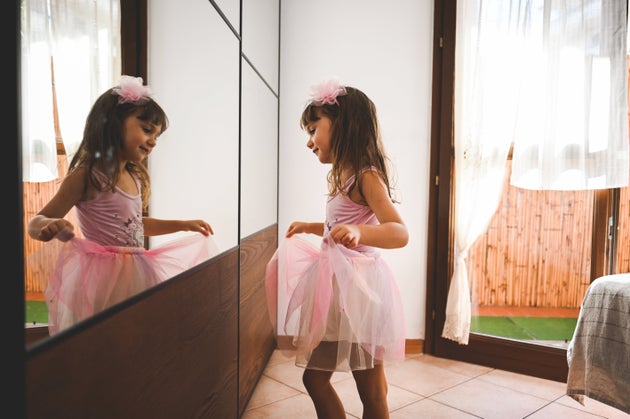
A four-year-old girl named Lily, who is described as beautiful, has been expressing dissatisfaction with her appearance. She often frowns while brushing her teeth, scrutinizing her features in the mirror. Her dark-brown wavy hair doesn’t meet her ideal of straight, blonde hair. One day, she used a pink marker on her mouth, thinking it would make her look prettier after being called ugly at school. This early concern for appearance raises questions about how societal standards have influenced her self-perception.
Recent studies suggest that girls begin to focus on their looks as early as age three. In one study, 170 children between the ages of three and five were interviewed about their views on beauty. Girls consistently emphasized the importance of looking pretty, often choosing fancy outfits or careers like modeling or makeup artistry. They also showed strong memory for images of fashionable clothing and frequently cited beauty when explaining why they liked certain characters, such as princesses.
Boys, on the other hand, tended to focus more on action-based reasons for liking characters, such as Spider-Man’s abilities. These findings indicate that gender differences in valuing appearance may start during preschool years.
The emergence of a "girlie-girl" culture in the early 2000s, fueled by the launch of the Disney Princess franchise, has played a significant role in shaping these early perceptions. While Disney movies have evolved to include more empowered heroines, the underlying message often still centers on beauty. This cultural shift has led to a generation of young girls growing up with an intense focus on physical appearance.
By adolescence, children are already vulnerable to the pressures of social media, which amplifies concerns about looks. Research shows that tying self-worth to appearance can lead to negative outcomes, including eating disorders, depression, and poor academic performance. It can also limit career aspirations for young women.
It is crucial to address these issues early, before children are exposed to social media. Preschool and kindergarten years are critical as children begin to identify with their gender and form stereotypes. Parents and educators must provide diverse and positive role models to counteract harmful messages.
There are some positive examples, such as the Madrigal sisters from "Encanto," who showcase different traits beyond physical beauty. However, many toys and media still promote unrealistic standards. Parents should seek out diverse and inclusive toys that encourage creativity and problem-solving rather than focusing on appearance.
Changing the way we speak to children is also essential. Instead of constantly commenting on their looks, we should highlight other admirable qualities. Expanding the definition of what it means to be a girl or a boy can help break down stereotypes and promote healthier self-images.
For children of color or those from low-income backgrounds, the pressure to conform to white beauty standards can be even more challenging. Parents often work hard to protect their children from these harmful ideals. Boys also face unrealistic expectations regarding muscle and strength, with many reporting dissatisfaction with their appearance at a young age.
Personal experiences, such as my own struggles with body image during puberty, highlight the widespread nature of these issues. My research has shown that appearance concerns affect both girls and boys, with long-term consequences on mental and physical health.
As a parent, I am concerned about the impact of a society that emphasizes image and beauty. Even in areas not known for their obsession with looks, children are exposed to harmful messages through media, friends, and schools. Social media, AI technology, and filters only exacerbate these issues.
It is our responsibility to foster healthier values and provide diverse representations of what it means to be a girl, a boy, or a human being. We must ensure that children understand their worth is not defined by their appearance. By taking proactive steps, we can help create a future where all children feel confident and valued for who they are.

Posting Komentar untuk "Study Reveals Shocking Insights About Preschool Girls"
Posting Komentar