
The ultimate dark side power? Tariffs.
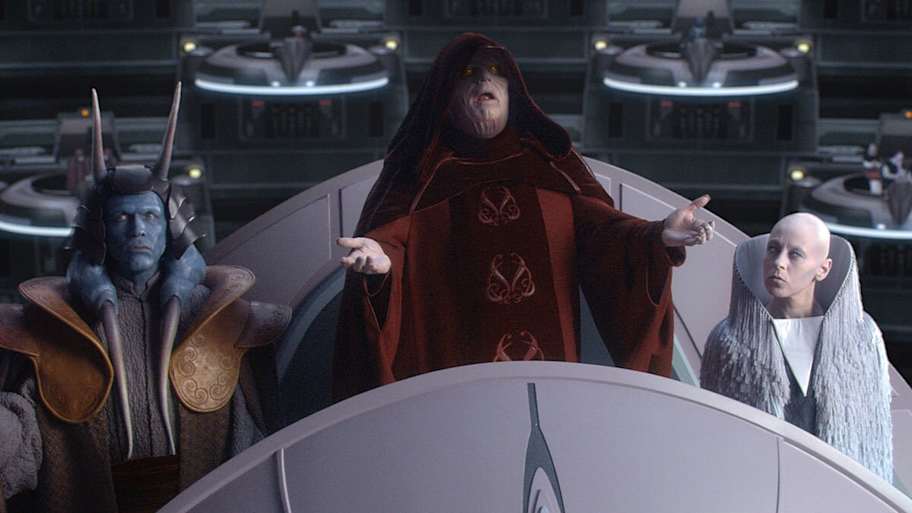
The Phantom Menace and the Rise of Authoritarian Power
Episode Four of Star Wars, known as The Phantom Menace, introduced a pivotal moment in the galaxy's history. It marked the beginning of the fall of the Republic and the emergence of the Galactic Empire. This film set the stage for an era where authoritarian rule would dominate, symbolized by a planet-destroying space station and a regime that enforced its will with an iron fist.
At first glance, the political elements in The Phantom Menace may not have seemed as dramatic as other epic battles or mystical conflicts. Unlike The Lord of the Rings or Harry Potter, which often start with more overtly sinister events like cursed objects or magical bloodlines, this movie opened with the issue of tariffs. George Lucas' decision to focus on these economic policies was met with criticism at the time. However, over the years, it has become clear that these seemingly mundane details held significant weight.
Tariffs as a Catalyst for Change
The political scenes in The Phantom Menace might have felt anticlimactic to some viewers, but they were far from trivial. The Trade Federation's actions, driven by their desire for profit, mirrored real-world economic strategies that have shaped modern politics. These policies created fear and uncertainty, which in turn allowed figures like Palpatine to consolidate power. His rise to dominance was fueled by the chaos generated by these economic decisions, much like how leaders today can exploit fear and instability to gain more control.
Today’s political landscape shows striking similarities to the events depicted in The Phantom Menace. The current administration's use of tariffs, both as promises and threats, echoes the tactics used by the Trade Federation. Just as the Trade Federation manipulated the Galactic Senate to advance their interests, powerful corporations in the United States have influenced legislation through lobbying and financial power. This dynamic has led to a weakened legislative branch, similar to the struggles faced by the Galactic Senate in the Star Wars universe.
Parallels Between Fiction and Reality
Jack Bernhardt, a commentator on contemporary politics, draws attention to these parallels. He notes that the increasing political influence of the Trade Federation in the film is reminiscent of how powerful tech companies have aligned themselves with political leaders. This alignment has contributed to the erosion of democratic processes and the concentration of power in the hands of a few.
George Lucas’ ability to foresee these developments in his prequel trilogy is remarkable. His depiction of the Republic's downfall serves as a cautionary tale about the dangers of unchecked power and the manipulation of public sentiment. While the idea of a hidden clone army or a robot army waiting in the wings may seem far-fetched, the reality of authoritarianism and the use of war as a tool for gaining power is very real.
The Threat of Authoritarianism
Wars have historically been used by authoritarian governments to justify the sacrifice of individual rights in the name of safety. This pattern is evident in both the fictional galaxy of Star Wars and the real world. US President Donald Trump, for example, has spoken about the potential for conflict, highlighting the ongoing risks of political instability.
The rise of the Sith Empire in the Star Wars saga mirrors the potential for a similar authoritarian regime to emerge from the ashes of a democratic society. As history has shown, the cycle of power and oppression often repeats itself. The question remains: are we witnessing an orchestrated conflict designed to consolidate power in ways never seen before?
Conclusion
The Phantom Menace was more than just a prequel to the original Star Wars trilogy. It served as a reflection of real-world political dynamics, highlighting the dangers of economic policies, corporate influence, and the manipulation of fear. As we continue to navigate the complexities of modern politics, the lessons from The Phantom Menace remain relevant. They remind us of the importance of vigilance, the need for transparency, and the necessity of protecting democratic values against the encroachment of authoritarian forces.

Posting Komentar untuk "The ultimate dark side power? Tariffs."
Posting Komentar