
Trump announces 100% tariff on chip imports to US
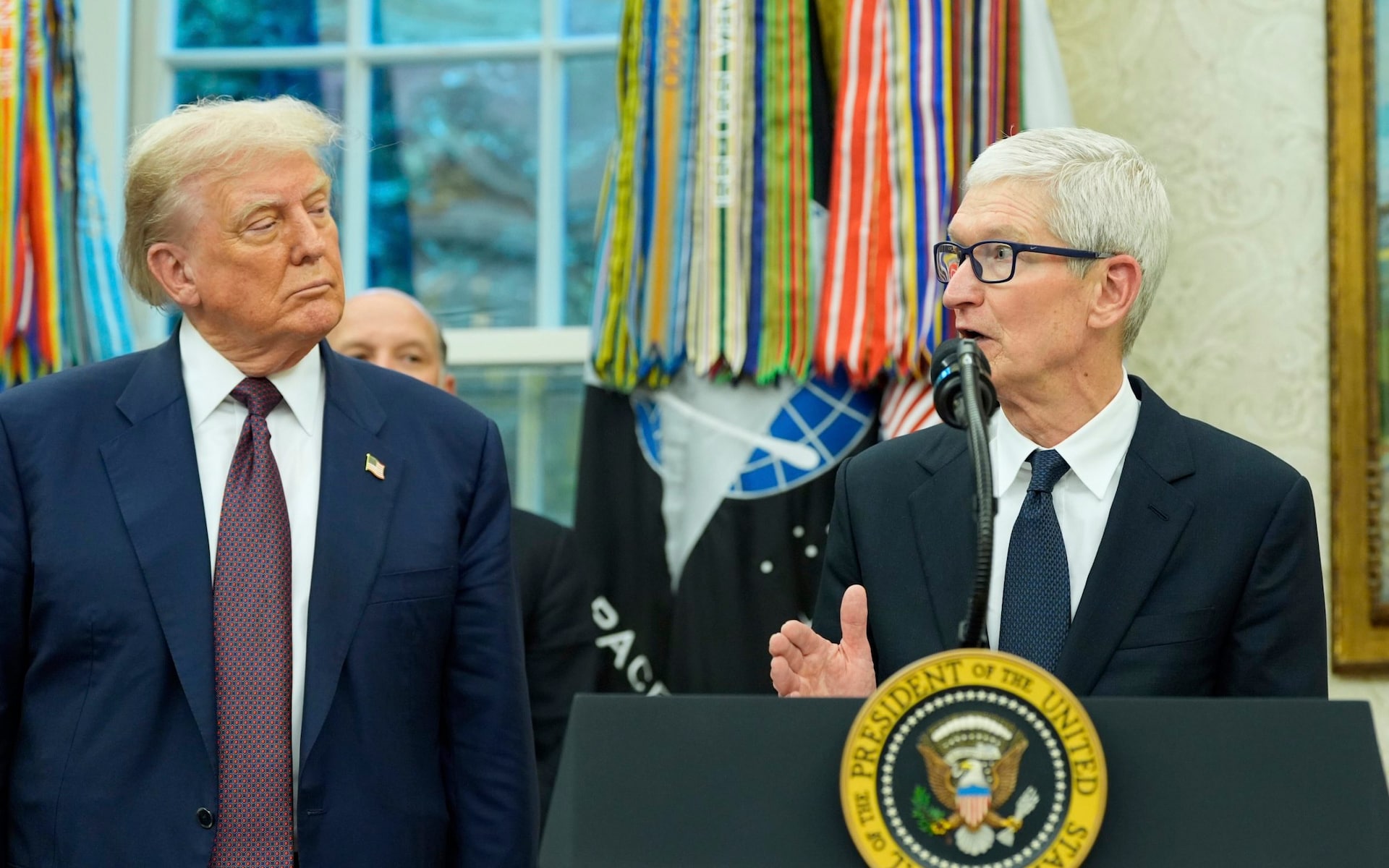
Trump's Tariff Strategy and Apple's Manufacturing Shift
President Donald Trump has introduced sweeping 100% tariffs on chips and semiconductors imported into the United States, a move that has significant implications for global manufacturing hubs, particularly Taiwan. This decision comes as Apple announces plans to increase its manufacturing presence in America, signaling a potential shift in the tech giant’s supply chain strategy.
The new tariff applies to all chips and semiconductors entering the U.S., posing a challenge to countries like Taiwan, which are major players in the semiconductor industry. Tech companies such as Nvidia and Tesla rely heavily on this sector, making it a critical component of the American economy. The move is part of a broader effort by the administration to bring manufacturing back to the U.S. and reduce dependence on foreign suppliers.
Apple has pledged a $100 billion investment in American manufacturing, with President Trump stating that companies committed to building in the U.S. would be exempt from the tariffs. This exemption includes Apple, which has made significant commitments to expand its domestic operations. Tim Cook, Apple's CEO, has announced plans to manufacture all cover glass used for the iPhone and Apple Watch in Kentucky through a factory run by Corning.
Apple has emphasized its dedication to bringing more of its supply chain and advanced manufacturing to the U.S. The company is also working to incentivize other global firms to produce critical components within the country. Trump highlighted this as a step toward ensuring that iPhones sold in the U.S. are also made there.
Since Trump’s return to the presidency, Apple has promised to invest $600 billion in the U.S., following an earlier commitment of $500 billion in February. However, the company has faced challenges due to Trump’s tariff policies, with the president repeatedly urging Apple to assemble iPhones in the U.S. Most of the phones sold in the U.S. are now made in India, after years of shifting manufacturing away from China.
In May, Trump expressed concerns about Apple’s manufacturing plans, stating that he had a “little problem” with Tim Cook. He emphasized the need for Apple to build in the U.S., noting that India can take care of itself. Trump had previously threatened Apple with 25% tariffs if iPhones were not made in the U.S., a move that significantly impacted the company’s stock value.
Adding to Apple’s challenges, the White House announced new tariffs on India as a penalty for purchasing oil from Russia. Karoline Leavitt, the White House’s assistant press secretary, stated that Trump’s America-first economic agenda has secured trillions in investments supporting American jobs and businesses. She noted that the Apple announcement is another win for the manufacturing industry, helping to re-shore production of critical components to protect economic and national security.
Apple’s shares rose over 5% following the news of its investment plans. Despite securing exemptions for its products from Trump’s tariffs, the company faces uncertainty due to the president’s shifting policies. Apple paid $800 million in tariffs in the three months ending June and expects to pay $1.1 billion in the next three months. To avoid new levies, the company has shipped planeloads of iPhones to the U.S.

Posting Komentar untuk "Trump announces 100% tariff on chip imports to US"
Posting Komentar