
Trump Proposes 250% Drug Tariffs to Boost U.S. Pharma
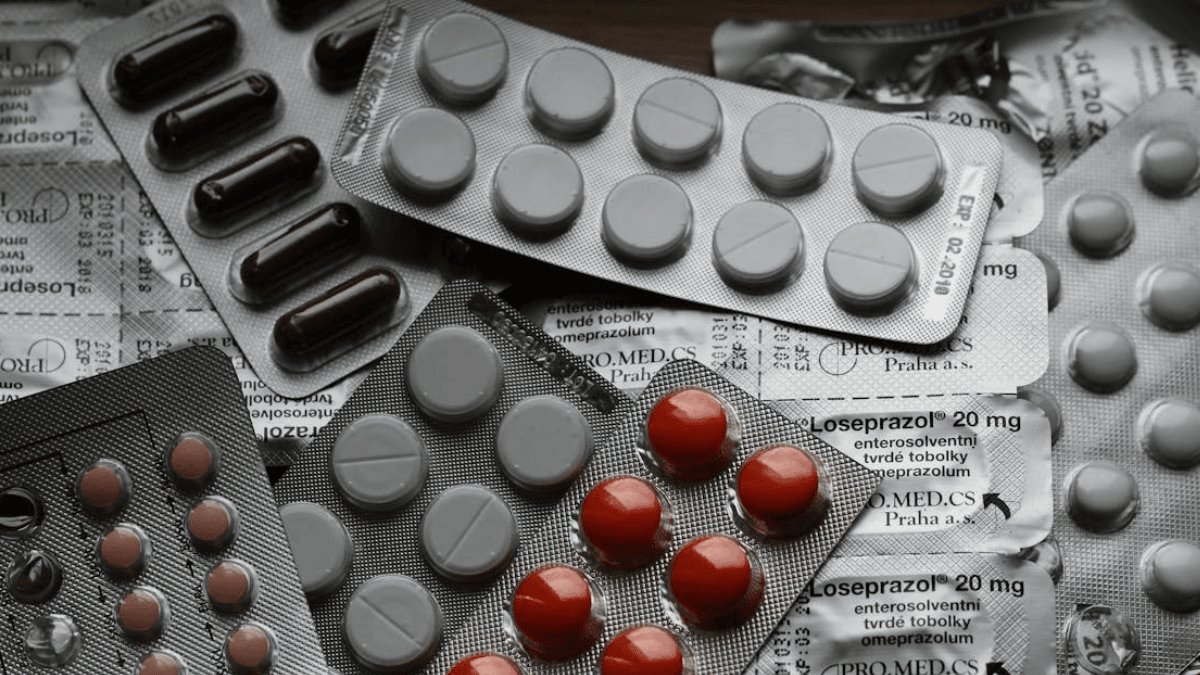
Trump's Plan to Revitalize the U.S. Pharmaceutical Industry
President Trump has introduced a bold initiative aimed at revitalizing the U.S. pharmaceutical industry by proposing tariffs of up to 250% on imported drugs. This move is intended to encourage pharmaceutical companies to bring their manufacturing operations back to the United States. Trump has long emphasized his desire for more drugs to be "made in America," especially as domestic production has declined significantly over the past few decades. This proposal is part of a broader strategy to protect and enhance the U.S. pharmaceutical sector.
The proposed tariff plan involves a gradual increase, starting with a "small tariff" on imported pharmaceuticals. Within a year to a year and a half, the rate would rise to 150%, eventually reaching 250%. However, there is no guarantee that the final rate will be set at 250%, as Trump has a history of adjusting tariff proposals. Earlier threats included a 200% tariff, highlighting the administration's aggressive stance on this issue.
Reviving the Most Favored Nation Policy
Alongside the tariff proposal, Trump has revived the "Most Favored Nation" policy, aiming to align U.S. drug prices with lower international rates. Although this policy has been invoked, its full implementation remains unclear. Additionally, Trump has sent letters to major pharmaceutical companies, demanding price reductions to match those in other developed nations. Failure to comply could lead to the deployment of various measures to protect American families from high drug prices.
Industry Response and Concerns
The pharmaceutical industry has expressed concerns over the proposed tariffs, warning that they could increase costs, deter U.S. investments, and disrupt drug supply chains, potentially endangering patients. Companies like AstraZeneca and GSK are already engaging with the administration, with some proposing price cuts. However, the industry remains wary of the impact on profitability and research and development capabilities.
Investments in U.S. Manufacturing
In anticipation of the tariffs, several pharmaceutical giants, including AstraZeneca, Eli Lilly, and Johnson & Johnson, have announced significant investment plans in the U.S. These proactive measures aim to mitigate the potential impact of the tariffs and align with the administration's push for domestic production. Despite these efforts, the industry continues to voice concerns about the broader implications of the proposed policies.
Section 232 Investigation
In April, the Trump administration launched a Section 232 investigation into pharmaceutical imports, assessing their impact on national security. This legal authority allows the Secretary of Commerce to evaluate whether imports threaten the country's security. The investigation underscores the administration's commitment to reducing dependency on foreign drug manufacturing and ensuring a robust domestic pharmaceutical industry.
Tariffs on Other Sectors
The administration has a history of imposing tariffs on various sectors, including steel, aluminum, and automotive parts. Recently, an agreement with the European Union introduced a 15% tariff on pharmaceutical products from EU countries, separate from the sector-specific tariffs being considered. These measures reflect a consistent strategy to protect U.S. industries and reduce reliance on foreign imports.
The Future of U.S. Pharmaceuticals
As the administration pushes forward with its tariff plans, the pharmaceutical industry faces a challenging landscape. The proposed measures could reshape the sector, driving companies to reconsider their manufacturing strategies and investment plans. While the tariffs aim to boost domestic production, the potential for increased costs and supply chain disruptions remains a significant concern. The coming months will be crucial in determining the future of U.S. pharma and its global competitiveness.

Posting Komentar untuk "Trump Proposes 250% Drug Tariffs to Boost U.S. Pharma"
Posting Komentar