
Trump Raises India Tariffs to 50% to Target Russia
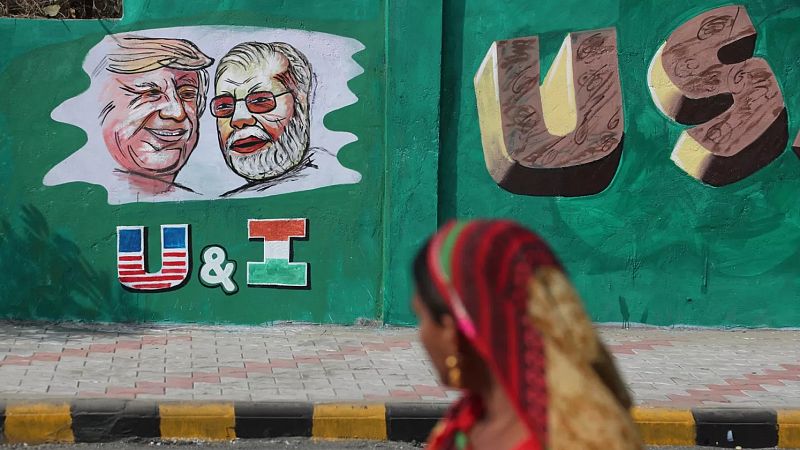
U.S. Imposes Heavy Tariffs on India Over Russian Oil Deals
The United States has imposed an additional 25% tariff on Indian imports due to its continued trade with Russia, bringing the total U.S. tariffs on Indian goods to 50%. This move marks a significant escalation in trade tensions between the two nations and places India among the most heavily taxed U.S. trading partners.
Currently, Brazil is the only other country facing a 50% import tax on all its products. However, this does not include the 50% tariffs on steel, aluminum, and copper, which apply universally to all countries except the United Kingdom. The new tariffs are set to take effect 21 days after the signing of the order, giving both India and Russia some time to negotiate with the U.S. administration for more favorable terms.
This decision could disrupt India's economic trajectory, as it has long been seen as a potential alternative to China for U.S. companies looking to diversify their manufacturing bases. However, the impact of these tariffs may be significant, potentially making Indian goods much more expensive in the U.S. market and reducing exports by up to 40%-50%.
A Strategic Move or a Political Statement?
President Donald Trump announced the tariffs during a press briefing, emphasizing that the U.S. had met with Russia on Wednesday as part of efforts to end the war in Ukraine. He stated, “We’re going to see what happens. We’ll make that determination at that time.”
India's response was swift and critical. The Foreign Ministry described the additional tariffs as "unfortunate" and criticized them as "unfair, unjustified, and unreasonable." Spokesperson Randhir Jaiswal emphasized that India's import decisions are based on market factors and aimed at ensuring energy security for its 1.4 billion people.
Ajay Srivastava, a former Indian trade official, noted that the new tariffs place India among the most heavily taxed U.S. trading partners, surpassing rivals like China, Vietnam, and Bangladesh. He also pointed out the perceived hypocrisy in the U.S. approach, noting that China purchased more Russian oil than India last year but remains unaffected by similar measures.
Economic Implications and Trade Deficit
In 2024, the U.S. recorded a $45.8 billion trade deficit with India, according to the U.S. Census Bureau. This means that American consumers and businesses imported more from India than they exported. Key imports include pharmaceuticals, precious stones, textiles, and apparel.
India has not supported the U.S.-led sanctions against Russia, despite expressing a desire for peace. The U.S. government claims that the tariffs aim to reduce revenue for the Russian government, thereby weakening its ability to fund the war in Ukraine. The hope is that this pressure will push Moscow to the negotiating table and eventually lead to a ceasefire and long-term peace.
However, recent developments suggest that the strategy may not be as effective as intended. On the day the tariffs were announced, oil prices rose slightly, with a barrel trading at $65.84. This indicates that the market may not be reacting as strongly as the U.S. administration had hoped.
Broader Implications for Global Trade
The situation highlights the complex interplay between geopolitical interests and economic policies. While the U.S. aims to use trade measures as leverage in its broader strategy toward Russia, the impact on allied nations like India raises questions about the long-term consequences of such actions.
As the situation unfolds, both India and the U.S. will need to navigate the challenges posed by these tariffs while maintaining their strategic relationship. The coming months will be crucial in determining how these economic pressures affect bilateral trade and diplomatic relations.

Posting Komentar untuk "Trump Raises India Tariffs to 50% to Target Russia"
Posting Komentar