
Trump Slashes India Tariffs to 50% Over Russian Oil Deal
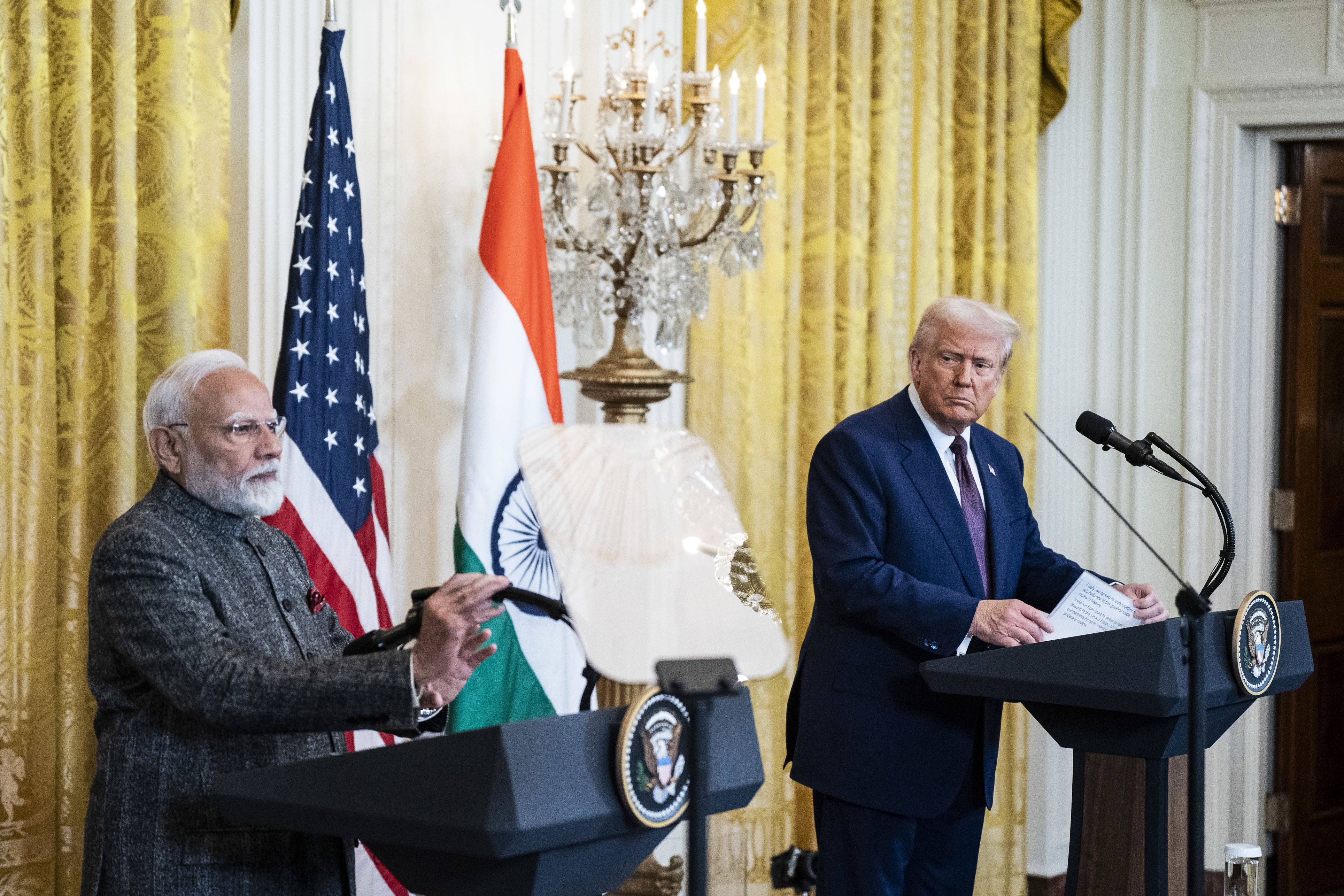
Tariffs on Indian Imports Escalate Tensions Between U.S. and India
President Donald Trump has announced a significant increase in tariffs on imports from India, raising the rate to 50 percent as part of a broader effort to reshape international trade dynamics. This move targets one of the United States' largest trading partners, focusing on India's continued purchases of Russian oil. The decision comes amid growing tensions between the two nations, particularly regarding India's economic ties with Russia.
Starting at 12:01 a.m. on Thursday, imports from India will face a 25 percent duty, with an additional 25 percent tax set to take effect in three weeks. This escalation is part of an executive order issued by Trump, which accuses India of "directly or indirectly importing Russian Federation oil." The White House claims this tariff is a response to Russia’s military invasion of Ukraine, aiming to pressure countries that continue to engage with Moscow.
Trump had previously hinted at this move, though he falsely claimed that foreign countries would bear the cost of these tariffs. In reality, importers—primarily U.S. businesses and consumers—are responsible for paying these duties, not the exporters. The president criticized India for purchasing large amounts of Russian oil and then reselling it for profit, despite the ongoing conflict in Ukraine.
U.S. Companies Adjust to New Trade Realities
In response to the new tariffs, U.S. companies have been scrambling to avoid increased costs. Apple, for instance, announced a $100 billion investment in domestic manufacturing to shift production of critical components for data centers and consumer electronics away from countries targeted by Trump's trade policies. The company had already begun moving some iPhone production from China to India, highlighting the complex web of global supply chains.
Trump has also created tariff carve-outs for certain industries, including electronics manufacturers like Apple. He stated that while 100 percent tariffs on chips and semiconductors would be imposed, they would not apply to firms establishing new domestic production facilities. This approach reflects Trump's long-standing belief that tariffs can improve the nation's financial health and rebalance trade relationships with countries he claims are exploiting the U.S.
Economic Concerns and International Reactions
Despite these intentions, economists warn that Trump's trade policies could lead to economic contraction and strain alliances that U.S. producers rely on for affordable goods. India's Ministry of External Affairs expressed disappointment over the new tariffs, calling them unfair and unjustified. They emphasized that India's purchases of Russian oil are based on market factors, not political considerations.
India is the 12th-largest trading partner of the U.S., with bilateral trade reaching $78.4 billion in the first half of the year. The country also maintains an informal economic alliance with Russia through the BRICS bloc, which includes Brazil, China, and South Africa. These relationships have posed challenges for Trump's negotiations on trade issues.
Diplomatic Challenges and Political Implications
The situation has created a dilemma for India, which has been the top buyer of Russian crude oil since 2023. Russian oil accounts for 38 percent of India's imports, according to Kpler data. Additionally, India receives 36 percent of its military arms imports from Russia, although this percentage has decreased over time.
The political implications for Indian Prime Minister Narendra Modi are significant. The main opposition party, the Indian Congress Party, has criticized Modi for his perceived weakness in dealing with Trump. Analysts suggest that India's foreign policy under Modi, which emphasizes personal relationships and high-profile events, has not yielded substantial economic benefits.
Broader Implications for U.S. Trade Policy
Trump's use of emergency economic powers to impose tariffs has raised concerns about the traditional process of trade negotiations, which can take years to complete. His approach, often communicated through social media, contrasts sharply with the formal methods typically used in international trade agreements.
As the U.S. continues to navigate these complex trade relationships, the impact on both American consumers and global allies remains uncertain. The situation highlights the delicate balance between economic interests, geopolitical strategies, and the potential consequences of aggressive trade policies.

Posting Komentar untuk "Trump Slashes India Tariffs to 50% Over Russian Oil Deal"
Posting Komentar