
Trump Threatens India with 50% Tariff as Talks Collapse and Modi Continues Russian Oil Imports
Escalation of Trade Tensions Between the U.S. and India
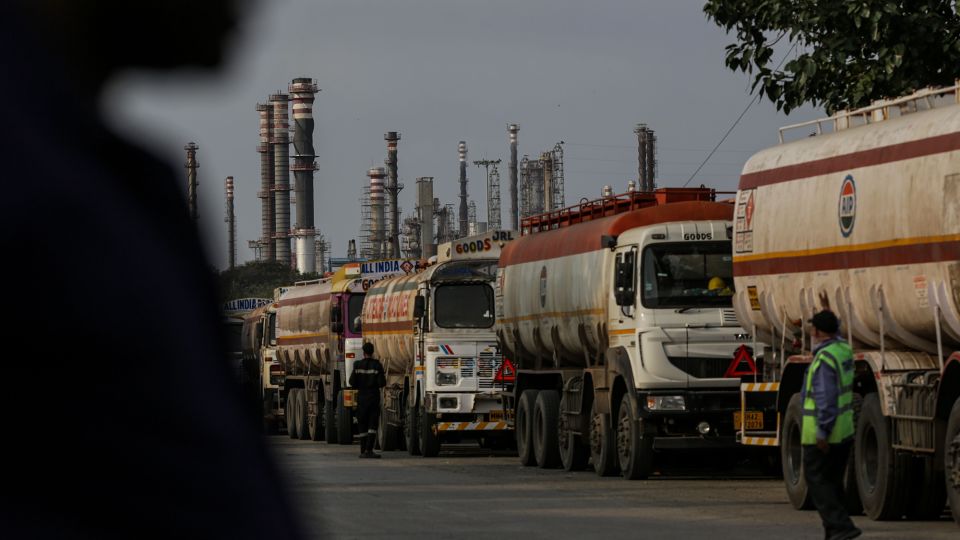
President Donald Trump has announced significant new tariffs on goods imported from India, marking a sharp escalation in trade tensions between the two nations. The move comes as part of a broader strategy to pressure India over its continued imports of Russian oil and gas, which the U.S. claims are supporting Moscow’s military operations in Ukraine.
The initial 25% tariff is set to take effect on Thursday, while an additional 25% tariff will be implemented later this month. Together, these measures would raise the total tariff rate on Indian goods entering the U.S. to a staggering 50%, one of the highest imposed by the U.S. on any trading partner.
This latest executive order, published on the White House website, signals a shift in how the administration is addressing trade disputes. It marks the first time the U.S. has applied secondary sanctions against a country that it believes is indirectly supporting Russia's war effort. The order states that India is "currently directly or indirectly importing Russian Federation oil," and asserts that the new 25% tariff is "necessary and appropriate."
The rationale for the new duties includes recent information from senior officials regarding the actions of the Russian government in relation to the conflict in Ukraine. This decision was made just hours after Trump’s foreign envoy, Steve Witkoff, met with Russian President Vladimir Putin in Moscow.
Trump had previously warned India about potential tariffs, accusing the country of enabling Russia’s military campaign. He stated on social media: “India is not only buying massive amounts of Russian Oil, they are then, for much of the Oil purchased, selling it on the Open Market for big profits. They don’t care how many people in Ukraine are being killed by the Russian War Machine.”
India’s Response and Concerns
India has responded to the U.S. tariff announcement, emphasizing that its oil imports are driven by market conditions and energy security needs. A statement from India’s Ministry of External Affairs said: “We have already made clear our position on these issues, including the fact that our imports are based on market factors and done with the overall objective of ensuring the energy security of 1.4 billion people of India.”
The statement also criticized the U.S. for targeting India when other countries are taking similar actions in their own national interests. It hinted at possible retaliatory measures, stating that India would take all necessary actions to protect its national interests.
Economic Implications of the Tariffs
The impact of the 50% tariffs on Indian goods could be significant. The U.S.-India trade relationship has grown substantially over the years, with the trade deficit nearly doubling since Trump’s first term. Both countries have increased their imports from each other, partly due to the U.S. ramping up tariffs on China and encouraging businesses to shift production to alternative locations like India.
Apple, for example, has moved much of its iPhone manufacturing to India in recent years. However, smartphones are exempt from both the upcoming 25% tariff and the additional 25% duty. Last year, the U.S. imported $87 billion worth of goods from India, while India imported $42 billion from the U.S.
The top U.S. imports from India include pharmaceuticals, communications equipment, and apparel. Trump has also threatened a separate across-the-board tariff on pharmaceuticals, though it would not apply to the 50% tariff on Indian goods if it takes effect.
On the flip side, the U.S. exports key products such as oils, gases, chemicals, and aerospace parts to India. If India imposes retaliatory tariffs on American goods, these industries could face challenges.
Broader Context and Future Outlook
The escalating trade tensions reflect a broader strategic shift in U.S. policy toward both India and Russia. As the U.S. continues to target countries perceived as supporting Russia, the implications for global trade and diplomatic relations remain uncertain. For now, the situation remains fluid, with both sides preparing for potential economic consequences.

Posting Komentar untuk "Trump Threatens India with 50% Tariff as Talks Collapse and Modi Continues Russian Oil Imports"
Posting Komentar