
Trump to Impose 25% Import Taxes on India, Doubling Combined Tariffs to 50%
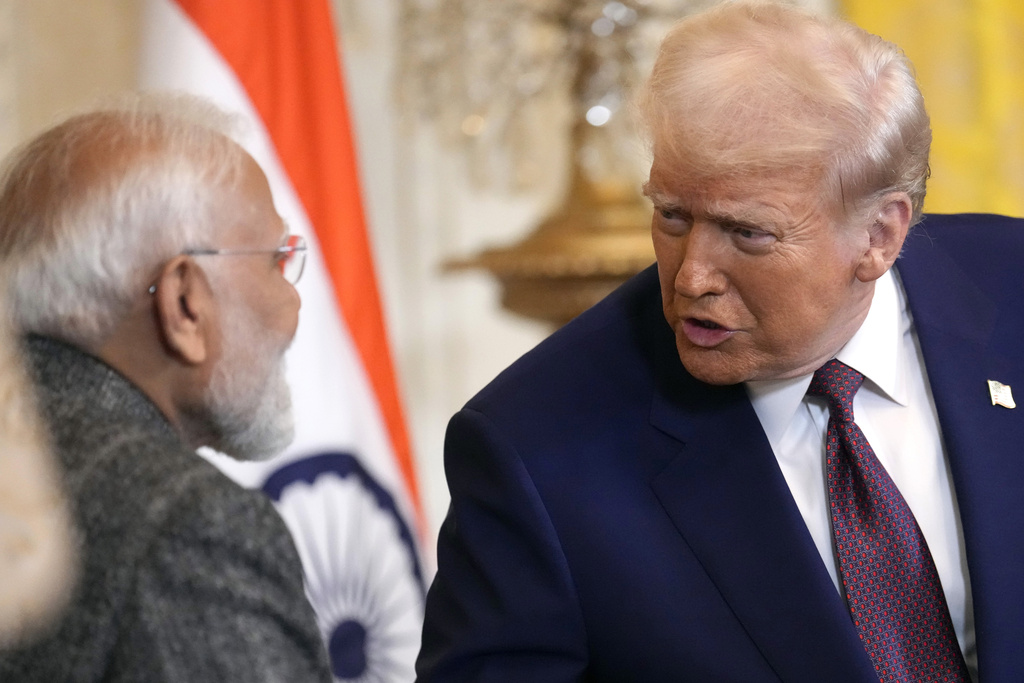
U.S. Imposes 50% Tariff on Indian Imports, Targeting Russian Oil Purchases
The United States has taken a significant step in its trade policy by imposing a 50% tariff on Indian imports, with the primary focus on goods related to Russia’s oil. This move comes as part of an executive order signed by former President Donald Trump, who emphasized that India would face a combined 50% tax on its imports from the U.S. The tariffs are set to take effect 21 days after the signing of the order, providing both India and Russia time to engage in discussions with the administration about potential adjustments.
This decision marks a shift in the economic relationship between the U.S. and India, which had previously been viewed as a viable alternative to China for American companies seeking to diversify their manufacturing bases. While China also purchases Russian oil, it was not included in the latest tariff measures, highlighting a clear distinction in how the U.S. is handling different trading partners.
During a meeting with Apple CEO Tim Cook in the Oval Office, Trump confirmed the 50% tariff rate, although he did not provide clarity on whether additional tariffs could be lifted if a deal were reached between Russia and Ukraine. “We’ll determine that later,” Trump said, emphasizing the current 50% rate.
In addition to the tariff announcement, the White House revealed plans for a potential in-person meeting between Trump and Russian President Vladimir Putin as early as next week. The goal of this meeting is to explore ways to bring an end to the ongoing conflict in Ukraine.
India's Response to the Tariff Measures
India has responded to the new tariffs with strong criticism, calling the actions "unfortunate." A statement from the Indian Foreign Ministry, issued by spokesman Randhir Jaiswal, described the measures as "unfair, unjustified, and unreasonable." Jaiswal reiterated that India’s import decisions are based on market factors and are aimed at ensuring energy security for its 1.4 billion citizens.
Ajay Srivastava, a former Indian trade official, pointed out that the new tariffs place India among the most heavily taxed U.S. trading partners. He warned that these tariffs could significantly increase the cost of Indian goods in the U.S. market, potentially leading to a 40%-50% drop in exports to the U.S.
Srivastava also criticized the decision as hypocritical, noting that China purchased more Russian oil than India did last year. He suggested that the U.S. avoids targeting China due to its influence over critical minerals essential for U.S. defense and technology sectors.
Economic Implications and Trade Dynamics
In 2024, the U.S. recorded a $45.8 billion trade deficit in goods with India, according to the U.S. Census Bureau. This means that the U.S. imported more from India than it exported, with key imports including pharmaceutical drugs, precious stones, textiles, and apparel. As the world’s largest country, India was seen as a strategic partner for the U.S. in countering China’s growing influence in Asia.
However, India has not supported the U.S.-led sanctions against Russia over the Ukraine conflict, despite expressing a desire for peace. This stance has likely contributed to the recent tariff measures.
Meanwhile, the U.S. and China are engaged in ongoing trade negotiations, with Washington imposing a 30% tariff on Chinese goods and facing a 10% retaliatory tax from Beijing. The planned tariffs on India contradict previous efforts by the Biden administration and other G7 nations to encourage India to purchase cheaper Russian oil through a price cap imposed in 2022.
The price cap, set at $60 per barrel, aimed to reduce revenue for the Russian government by forcing it to sell oil at a discount or use alternative shipping networks. However, Russia has managed to circumvent the cap by using a "shadow fleet" of older vessels operated by companies in countries not enforcing the sanctions.
Broader Implications for Global Trade
The U.S. decision to impose such high tariffs on India reflects a broader strategy to pressure countries that continue to engage in trade with Russia despite international sanctions. It also highlights the complex web of economic relationships and geopolitical interests that shape global trade policies.
As the situation continues to evolve, the impact of these tariffs on India’s economy and its relations with the U.S. will be closely monitored. For now, the move signals a significant shift in how the U.S. is approaching its trade relationships with key partners, particularly those involved in the global energy market.

Posting Komentar untuk "Trump to Impose 25% Import Taxes on India, Doubling Combined Tariffs to 50%"
Posting Komentar