
Trump Urges Drugmakers to Match Global Price Lows in U.S.
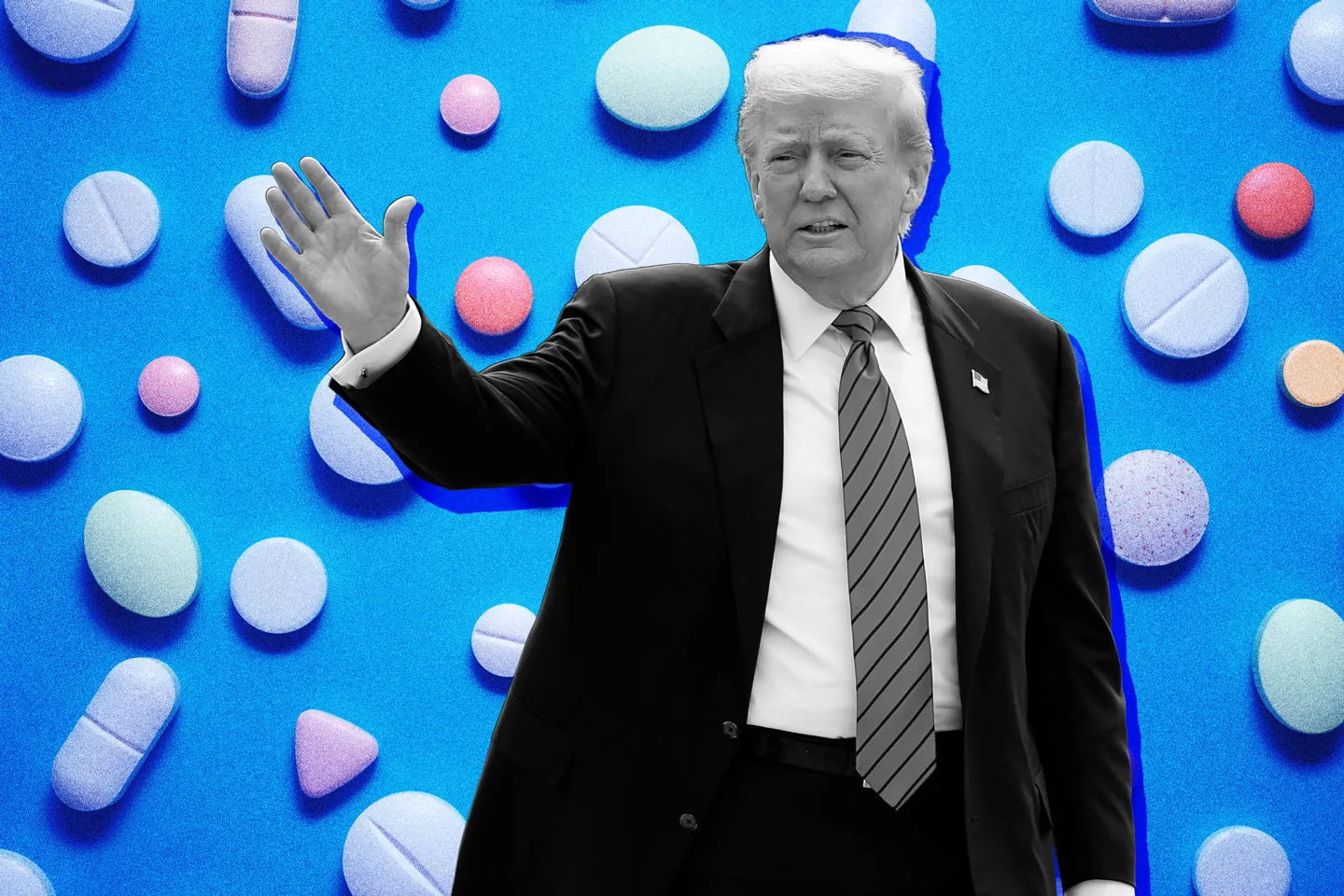
Trump's Pressure Campaign on Drugmakers to Lower Prices
President Donald Trump has launched a new initiative aimed at pressuring major pharmaceutical companies to lower prescription drug prices for American consumers. This effort involves sending letters to at least 17 leading drug manufacturers, including AstraZeneca, Eli Lilly, Johnson & Johnson, and Pfizer. These letters were made public on his social media platform, Truth Social, highlighting the administration’s continued focus on addressing high drug costs.
In these letters, Trump has given the pharmaceutical firms a deadline of September 29 to commit to specific actions that aim to provide “immediate relief from the vastly inflated drug prices” and end what he calls the “free ride of American innovation by European and other developed nations.” The White House emphasized that there is no justification for Americans paying significantly more for the same drugs in the same packaging, manufactured in the same facilities, compared to other countries.
The president’s approach includes demanding that pharmaceutical companies offer their drugs at the lowest price available in other developed nations, a model known as the “most favored nation” pricing strategy. This demand is part of a broader effort by the Trump administration to use executive power to address rising drug costs, which have become a significant concern for many Americans.
Key Demands in Trump’s Letters
The letters sent to the heads of 17 pharmaceutical companies include four main demands:
- Most-Favored-Nation Pricing for Medicaid: Drugmakers must provide their full portfolio of existing drugs at the lowest price offered to other similar nations to all patients enrolled in Medicaid.
- New Drugs and Federal Contracts: For newly developed drugs, companies must contract with the federal government to ensure all Americans, regardless of insurance type, receive the most-favored-nation price.
- International Coordination: Companies are required to negotiate with other countries in coordination with the U.S. to return increased revenues abroad to American patients and taxpayers.
- Eliminate Middlemen: Drugmakers must develop direct-to-consumer and direct-to-business sales models that eliminate middleman drug management companies that inflate prices.
Trump has urged the companies to engage with his administration immediately and in good faith to meet these demands. He also criticized previous proposals from the industry, stating they did not address the issue effectively and instead shifted blame onto policymakers.
If the companies fail to comply, Trump has warned that he will use “every tool in our arsenal” to push for lower drug prices.
Industry Reaction and Expert Opinions
PhRMA, the pharmaceutical industry trade group, strongly opposes the most-favored-nation approach, arguing it would be a “bad deal for American patients and workers” and could undermine innovation in the U.S. However, some experts suggest that while the pressure tactics may prompt some responses from drugmakers, they may not lead to substantial price reductions across the board.
Juliette Cubanski, deputy director of Medicare policy at the non-profit KFF, noted that while drug companies might respond to such pressure, it is unlikely to result in broad-based price cuts. On the other hand, health care policy analyst Chris Meekins from Raymond James suggested that Trump’s recent letters may actually be backing away from the more aggressive demands outlined in his May executive order.
Despite these efforts, prescription drug prices in the U.S. remain among the highest globally. For example, the popular weight-loss drug Ozempic is over 10 times more expensive in the U.S. than in several peer countries. According to KFF, Americans spent about $100 billion out-of-pocket for prescriptions last year, a record high.
Broader Implications and Challenges
Both the Trump and Biden administrations have taken steps to address high drug prices. Biden’s Inflation Reduction Act introduced a $2,000 annual out-of-pocket drug price cap for Medicare Part D beneficiaries and allowed Medicare to negotiate prices with drugmakers for certain high-cost drugs starting in 2026. Trump, meanwhile, signed an executive order in April to expand negotiations and encourage the production of cheaper generic alternatives.
However, despite these initiatives, prescription costs still rose by 1.2% as of June, according to the Labor Department. While some manufacturers have made commitments to invest in domestic production or introduce direct purchasing options, these changes have not yet provided a comprehensive solution to the issue of high drug prices.
Experts like Cubanski argue that without legislative action, systemic price reductions may not be achievable through executive orders alone. As the debate continues, the effectiveness of Trump’s pressure campaign remains uncertain, with both supporters and critics weighing in on its potential impact.

Posting Komentar untuk "Trump Urges Drugmakers to Match Global Price Lows in U.S."
Posting Komentar