
Trump Warns India of 50% Tariffs Over Russian Oil Purchase
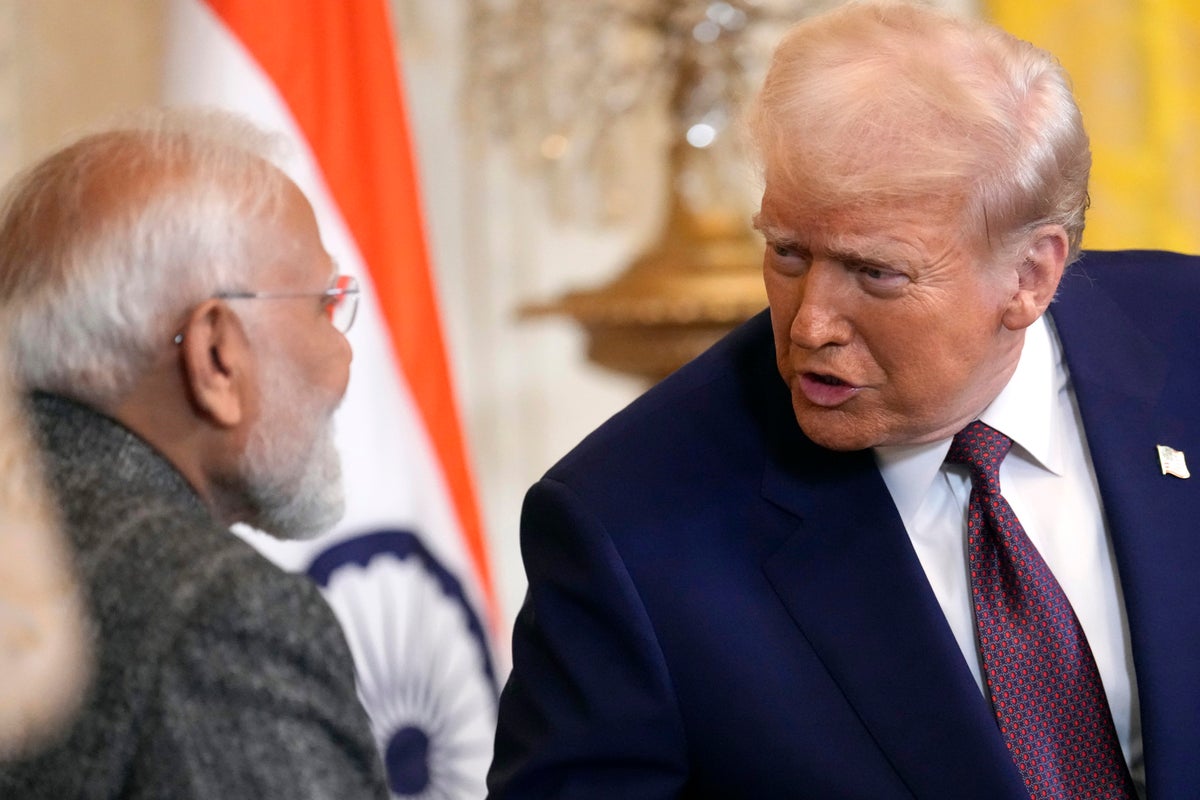
U.S. Tariff Measures and the Strain on India-U.S. Relations
The U.S. has implemented a new executive order that imposes a 50% tariff on Indian imports, primarily due to India’s continued purchase of Russian oil. This decision adds an additional 25% duty on top of an existing 25% tariff, significantly increasing the cost for Indian goods entering the U.S. market. The move has sparked widespread criticism from both India's opposition parties and the general public, who view it as an act of bullying by the Trump administration.
Analysts and officials warn that this latest development could undermine two decades of diplomatic progress between the two nations. They suggest that the tariffs may lead to further tensions and could disrupt areas of cooperation, especially as domestic political pressures push both sides toward more rigid positions.
India has become a key strategic partner for the U.S. in its broader rivalry with China. However, its large trade surplus with the U.S. and close ties with Russia have made it a target for Trump's global tariff strategy. The president's suggestion that India could buy oil from Pakistan has been met with disapproval in New Delhi. Additionally, India has repeatedly rejected Trump's claims that he used trade policies to resolve a recent military conflict between India and Pakistan.
India has strongly criticized the U.S. for what it sees as double standards, pointing out that the U.S. continues to import Russian uranium hexafluoride, palladium, and fertilizers while targeting India for its oil purchases. In a sharp statement, India called the tariffs "unfair, unjustified and unreasonable," vowing to take all necessary actions to protect its national interests.
Despite these challenges, New Delhi is aware that escalating tensions could have broader consequences beyond trade. Unlike China, which holds leverage through rare earth supplies, India lacks similar bargaining power to negotiate better terms with the U.S.
Over the years, successive U.S. administrations, including Trump's first term, have worked to strengthen relations with India, recognizing its importance in countering China's growing influence. However, recent developments have led some analysts to believe that the relationship is now at its worst since the U.S. imposed sanctions on India following its nuclear tests in 1998.
Experts like Ashley Tellis from the Carnegie Endowment for International Peace argue that India is caught in a difficult position. While it may reduce its oil purchases from Russia under pressure, it cannot openly admit to doing so without appearing to yield to Trump's demands. This situation could lead to a crisis that undermines decades of progress in U.S.-India relations.
Recent reports indicate that Indian state refiners have stopped buying Russian oil as discounts narrow and pressure from the U.S. increases. This shift highlights the growing impact of the tariffs on India's energy sector.
New Challenges in U.S.-India Relations
A pressing challenge for India lies in the growing divergence between its priorities and those of Trump's political base. Key issues such as work visas for tech professionals and offshoring of services have created friction. India has long benefited from U.S. work visa programs and the outsourcing of software and business services, which have raised concerns among American workers about job losses.
Former State Department official Evan Feigenbaum warned that issues related to India are becoming highly politicized in the U.S., particularly in areas like immigration, H1B visas, offshoring, and technology sharing. These issues have the potential to turn India into a "football" in American domestic politics.
Since a 2008 deal on civilian nuclear cooperation, the U.S. and India have deepened their intelligence sharing and defense collaboration. Through the Quad grouping with Australia and Japan, they have expanded efforts to counter China's dominance in the Indo-Pacific. However, recent events have highlighted fractures in the relationship.
In early 2024, images of Indians being deported from the U.S. on military planes, with their hands and legs shackled, caused outrage in India just days before Prime Minister Narendra Modi was set to meet Trump to avoid high tariffs. The relationship also faced serious strain in late 2023 when the U.S. claimed to have foiled a plot involving Indian links to kill a Sikh separatist leader on U.S. soil. New Delhi denied any official involvement.
Strengthening Ties with U.S. Rivals
To navigate these challenges, an Indian government source suggested that India should focus on repairing relations with the U.S. while strengthening ties with other nations affected by Trump's tariffs and aid cuts. These include the African Union and the BRICS bloc, which consists of Brazil, Russia, China, and South Africa.
India has already taken steps to enhance its relationship with Russia and China. Russian President Vladimir Putin is expected to visit New Delhi this year, and the two countries have discussed expanding defense cooperation. India has also increased engagement with China, despite past tensions following a deadly border clash in 2020. Prime Minister Modi is scheduled to visit China soon, marking his first trip since 2018.
Analyst Aleksei Zakharov from the Observer Research Foundation in New Delhi noted that Russia may seek to exploit the U.S.-India rift by proposing the restoration of the Russia-India-China trilateral and new defense projects. However, India will likely seek to balance its relationships, considering the ongoing sanctions against Russia and the need to maintain ties with the Trump administration.

Posting Komentar untuk "Trump Warns India of 50% Tariffs Over Russian Oil Purchase"
Posting Komentar