
Trump Warns of 250% Pharma Tariff
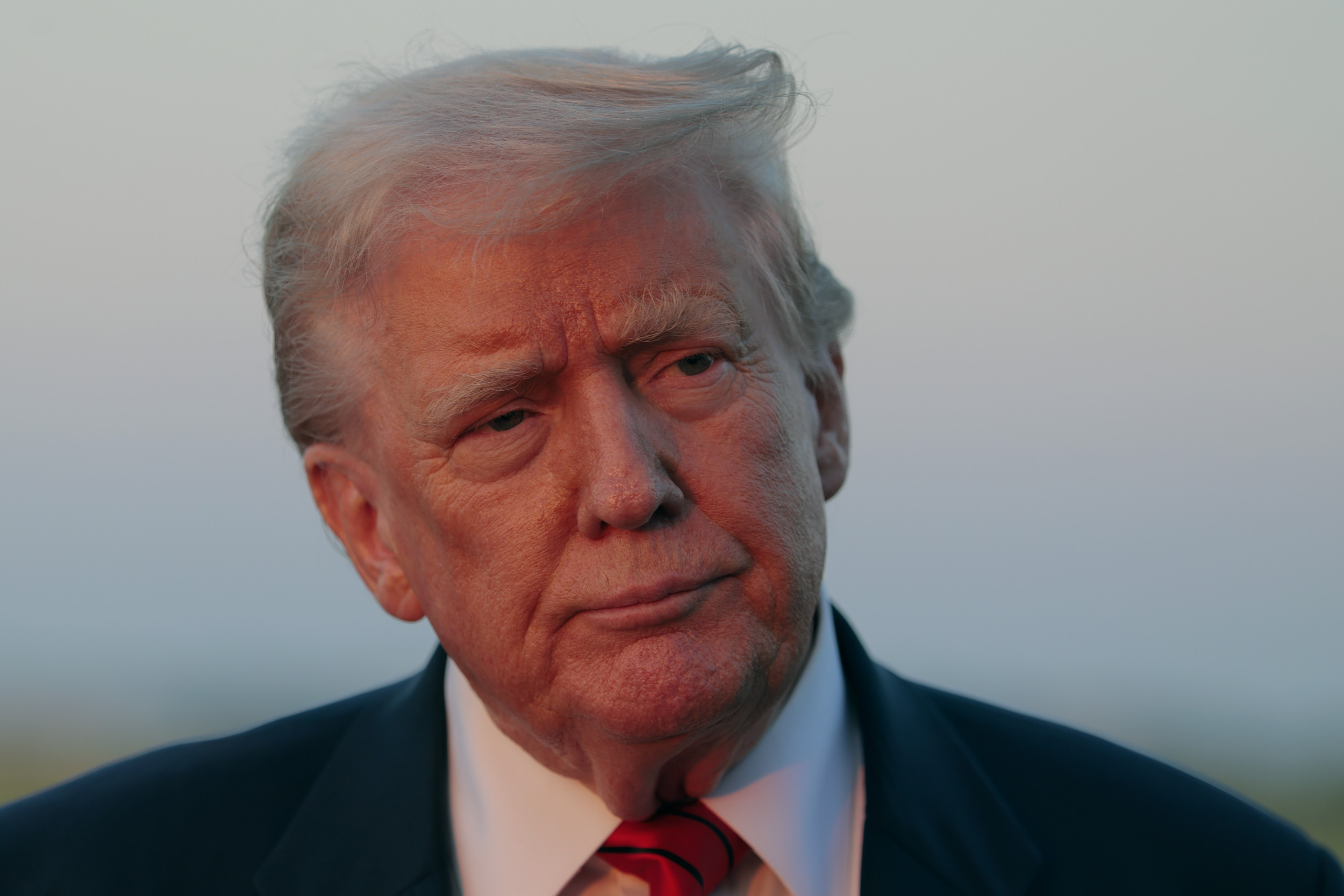
Trump's Proposed Pharmaceutical Tariffs Spark Debate
President Donald Trump has made headlines with his proposal to impose steep tariffs on pharmaceutical imports, potentially reaching as high as 250 percent. This move is part of his administration’s broader effort to reduce prescription drug prices for Americans. During an interview with CNBC, Trump outlined a phased approach, starting with a small tariff that would gradually increase over the next one to one and a half years, eventually reaching 250 percent.
This plan has raised significant concerns among experts and industry stakeholders. The United States imports over $200 billion worth of pharmaceuticals annually, according to the Observatory of Economic Complexity. If Trump follows through on his threat, it could lead to substantial price hikes for consumers. However, some health policy experts suggest that these tariffs might also help rebalance the global drug supply chain in favor of American patients.
Motivations Behind the Tariffs
Trump stated that the tariffs are intended to encourage pharmaceutical companies to shift their operations to the U.S., aiming to reduce reliance on foreign production, particularly in Europe. He had previously threatened a 200 percent tariff on pharmaceuticals in July but indicated he would provide the industry with time before implementing any changes.
The potential impact of these tariffs is a topic of intense debate. Experts warn that such measures could result in higher drug costs and even shortages in the U.S. A report from the UNC Center for the Business of Health highlighted that the effects would be most pronounced for generic drugs, which are more likely to be imported and operate on lower profit margins.
Health economist Jeromie Ballreich noted that a 250 percent tariff on pharmaceuticals would have a significant impact on drug prices. For branded medications, these increased costs would likely be passed on to consumers, either directly or indirectly through higher prescription drug insurance premiums.
Market Reactions and Industry Concerns
Major pharmaceutical companies saw their stock prices drop following Trump’s announcement. AstraZeneca, Eli Lilly, and Bayer AG all experienced declines, reflecting investor uncertainty about the potential impact of the proposed tariffs.
The latest threat comes amid an ongoing probe by the Commerce Department into the national security implications of America’s medicinal imports. Launched in April under Section 232 of the 1962 Trade Expansion Act, this investigation adds another layer of complexity to the situation.
Trump did not provide specifics on which classes of pharmaceuticals might be exempt, beyond stating that these tariffs are separate from country-specific duties that recently came into effect. However, the announcement appears to contradict the terms of the European Union deal struck in July, which placed a 15-percent tariff ceiling on multiple sectors, including pharmaceuticals.
Contradictory Policies and Industry Responses
Experts had already warned that the 15 percent tariff outlined in the EU trade deal could cost the pharmaceutical industry billions. This raises questions about how such policies align with the administration’s efforts to lower prescription drug prices.
In May, Trump signed an executive order directing the Secretary of Commerce and U.S. Trade Representative to ensure foreign countries do not engage in practices that undercut market prices. The order also proposed granting the U.S. Most-Favored-Nation (MFN) status, requiring drug companies to offer Americans the same lowest prices available in other countries.
Following this, Trump sent letters to 17 of the world's largest pharmaceutical companies, outlining steps they must take within 60 days to lower prescription prices for U.S. customers. These include extending MFN pricing to Medicaid, guaranteeing MFN pricing for new medications, and negotiating "harder" with foreign nations.
Several drugmakers, including Eli Lilly, AstraZeneca, and Johnson & Johnson, have pledged to expand their U.S. manufacturing presence. Prior to the letters being sent, some had already announced plans to reduce certain U.S. drug prices.
Potential Disruptions and Long-Term Implications
Health policy analyst Mariana Socal warned that the tariffs could significantly disrupt the drug development pipeline, potentially jeopardizing the release of new medications. She emphasized that only around one in 10,000 investigated compounds make it to pharmacy shelves after decades of work.
“Any added uncertainty is likely to be detrimental to this industry, including disincentivizing investors from supporting this industry and pharmaceutical manufacturers from continuing to look for cures,” she said.
Ballreich suggested that while the tariffs may seem contradictory to efforts to lower domestic prices, they could serve as a threat to push drug companies to comply with the administration’s executive orders.
What’s Next?
On Sunday, Trump announced that he would be announcing tariffs on the pharmaceutical industry “within the next week or so.” This development has sparked further discussion and concern among experts and industry leaders.

Posting Komentar untuk "Trump Warns of 250% Pharma Tariff"
Posting Komentar