
Trump's 39% Tariffs Trigger Swiss Watch Industry Crisis
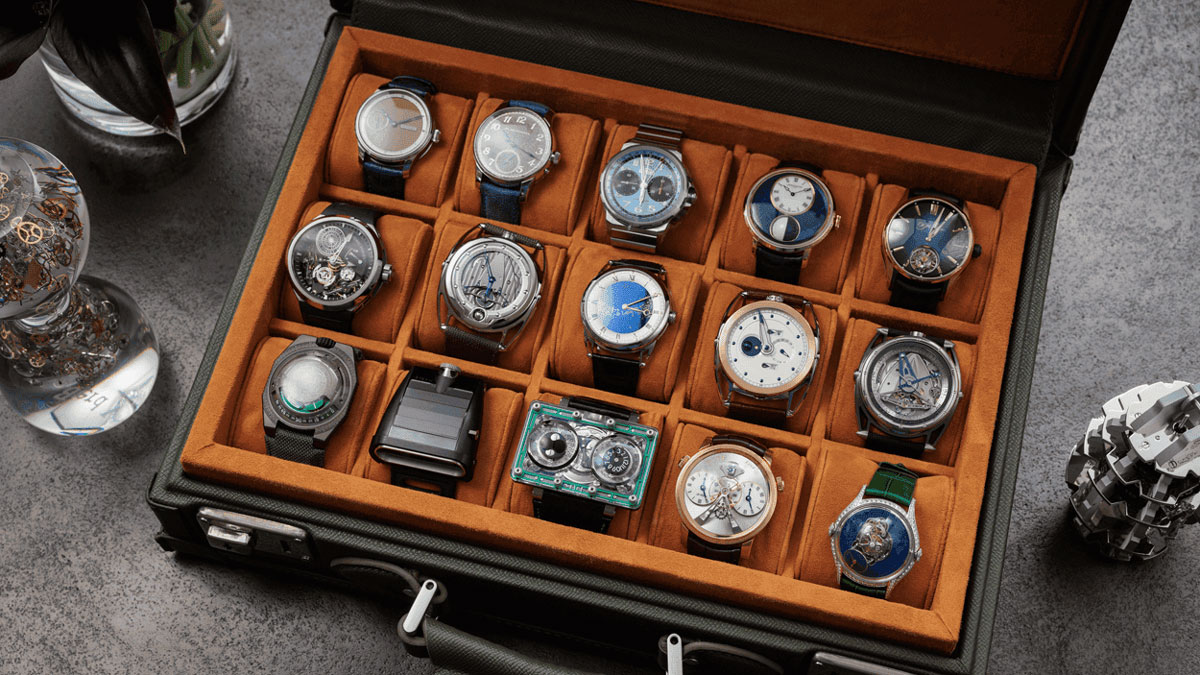
The Impact of Tariffs on the Swiss Watch Industry
In early April, when President Trump announced reciprocal tariffs—including a 31 percent levy on Swiss goods—the Swiss watch industry was thrown into a state of panic. This announcement came during a major event, Watches and Wonders, where the industry had gathered in Geneva. The sudden imposition of such high tariffs created uncertainty and concern among industry players.
Chris Daaboul, founder of EsperLuxe, a high-end watch retailer in Boston that specializes in independent watchmakers, shared his concerns with Robb Report. "We were like, 31 percent—this completely changes the business and how we're supposed to operate," he said. "If the market survives that kind of pricing."
During a 90-day pause that followed, with a temporary 10 percent tariff in place, brands, retailers, and dealers worked to understand the implications of these tariffs and what they meant for American consumers, who are the largest market for Swiss watches. "Some brands changed prices and gave retailers some margin, especially those importing product directly," Daaboul explained. "Others that had multiple layers of distribution—such as a U.S. subsidiary—were able to spread the cost and absorb it. But with some watchmakers, we didn't have a choice and we had to pass it on."
On August 1, the situation worsened when Trump announced that Switzerland would not receive a reprieve, and the goods it exports to the U.S.—including watches—would now be subject to a 39 percent tariff, one of the highest in the world. This new tariff was set to take effect on August 7, creating a crisis for the industry.
Steven Holtzman, vice chairman at CD Peacock in Chicago, described the situation as a "perfect storm." "The dollar is weak, the Swiss franc is high, and gold is at an all-time high," he said. "Prices have gone up, margins have gone down. I don't think it's good for anybody."
Holtzman speculated that if the 39 percent tariff remains in place, some brands might choose to bypass the American market altogether. "Being that allocations and supplies are decided by the brands themselves, if the U.S. is not in a position to sell more goods, they could sell the goods in other countries, and either increase or decrease allocations."
Dealers in the secondary market also predicted a tightening of supplies, particularly for the industry's most popular brand. "Rolex has always been a symbol of style and quality, and over the last five years it's been a symbol of scarcity," said Paul Altieri, founder and CEO of the pre-owned dealer Bob's Watches. "It's only getting worse. Supply is going to be more constrained."
In the short term, secondary dealers believe that the uncertainty around buying watches through primary channels may benefit the pre-owned category. "With a tariff in place, our listing looks a lot better," said Joshua Ganjei, CEO of the European Watch Company. "I don't have to deal with the import, I don't have to deal with the duties. 'What if the price changes to 39 percent overnight while it's in transit to me?' These are all the questions that don't have answers. If you buy directly from us, you get it tomorrow, there's no other story."
However, if tariffs continue to inflate prices and constrain supplies, the pre-owned market will eventually feel the impact, according to Eugene Tutunikov, CEO of SwissWatchExpo, a secondhand dealer in Atlanta. "So far, tariffs have been a blessing," he said. "And for the next one to three months, they'll be a net positive. But if they stay in place for six months, it will make it difficult for us to acquire inventory and consumers will have less demand at higher prices."
Tutunikov added that this situation could lead luxury watch buyers to seek alternatives. "This is going to spur a lot of luxury watch buyers to go on vacation," he said. "Seriously, I think people will say, 'I wanted this watch and now I'll buy it in Paris. And their savings will pay for their flight and hotel and they get to have a nice trip."
Daaboul emphasized the big question facing the industry: "What's the pain threshold on prices? And what happens if the stock market slows down, crypto slows and demand is impacted? These are all things that keep me up at night. When the 10 percent tariff was in play, we managed it, between brands and consumers, and spread that across the board. But 39 percent? There's only so much you can bury. Prices inevitably have to go up."

Posting Komentar untuk "Trump's 39% Tariffs Trigger Swiss Watch Industry Crisis"
Posting Komentar