
Trump's Clash with Modi Threatens Worst of Both Worlds
The Strategic Misstep of Secondary Tariffs on Russian Oil
Secondary tariffs on countries purchasing Russian oil were intended to be a powerful tool in Washington's sanctions strategy, a move so significant it could cripple Moscow's economy. However, the way these tariffs have been applied may not only fall short of their intended impact but also risk damaging key diplomatic relationships.
President Donald Trump has taken a new approach, shifting from months of reluctance to sanction Russia. His decision comes after concluding that Vladimir Putin has no intention of ending the war in Ukraine. According to Trump, targeting Russia’s energy sector—responsible for a third of government revenue—is essential to applying pressure.
“If energy goes down, Putin is going to stop killing people,” he stated recently. This sentiment underscores his belief that economic pressure on energy could lead to a change in behavior.
India has played a notable role in supporting the Kremlin’s military efforts by purchasing £42 billion worth of Russian oil last year. However, other nations, including China, Turkey, Brazil, the United Arab Emirates, and even some European Union states, have also contributed significantly to funding the invasion. Despite this, Trump has focused his attention on India, which raises questions about the effectiveness of this strategy.
The current 10% tariff on Russian goods is the lowest applied by Trump, and with bilateral trade at £3.9 billion, any increase is unlikely to cause substantial damage to the Russian economy. Additional measures targeting Russia’s banks or its shadow tanker fleet could follow, but these too seem unlikely to alter the course of events.
Secondary tariffs on countries buying Russian oil could potentially be more impactful. Yet, by imposing a 25% penalty on India, the strategy appears to be misaligned. Analysts suggest that Trump might extend these measures to other countries, yet singling out India seems counterproductive.
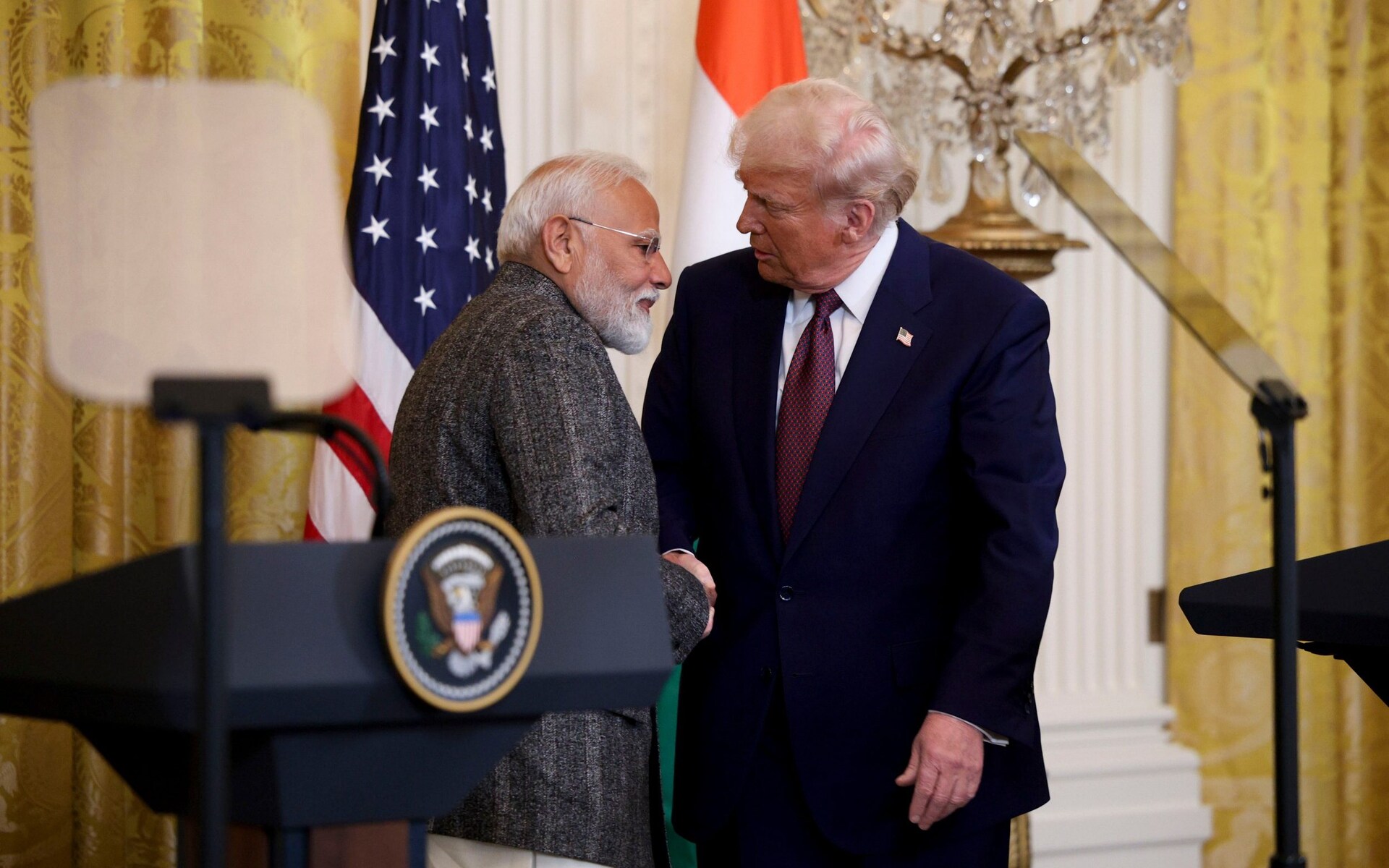
This approach risks further straining relations with India, a crucial ally in the region. Prime Minister Narendra Modi has faced repeated challenges from Trump, who once referred to him as a friend. Recent actions, such as higher tariffs on India compared to its Asian competitors and courting Pakistan—a country aligned with China—have caused frustration among Indian officials.
Public sentiment in India is growing increasingly negative towards Washington's perceived interference. Modi may find it politically difficult to halt all Russian oil purchases, even if he wanted to. Given the importance of the U.S. market for Indian exports, he may need to seek a compromise.
Any concession, however, will come at a cost. Analysts believe that India may now gravitate closer to China and Russia, weakening one of Washington's most valuable alliances in Asia. Even if India reduces imports, it is unclear whether losing a single buyer would significantly affect Russia’s war economy.
A policy that leaves Putin unaffected while straining relations with India is hardly a success in terms of statecraft. The full impact of Trump’s plan remains to be seen, but the current approach raises serious concerns about both its effectiveness and its diplomatic consequences.
Potential Implications for Global Alliances
The focus on India could have broader implications for global alliances. As the U.S. seeks to counterbalance China's influence, aligning with India is crucial. However, the current strategy may push India further into the arms of China and Russia, undermining U.S. strategic interests in the region.
Additionally, the perception of the U.S. as an unreliable partner could deter other nations from engaging in trade or cooperation. Countries that previously supported U.S. initiatives may reconsider their positions if they feel targeted without clear justification.
This situation highlights the delicate balance between applying pressure on adversaries and maintaining strong alliances. A more comprehensive and inclusive approach to sanctions could yield better results, both economically and diplomatically.
In conclusion, the current strategy of targeting India with secondary tariffs on Russian oil may not only fail to achieve its intended goals but also damage vital relationships. The long-term effects of this approach remain uncertain, but the potential for increased tensions and weakened alliances is evident.

Posting Komentar untuk "Trump's Clash with Modi Threatens Worst of Both Worlds"
Posting Komentar