
Trump's India Policy: A Catastrophic Misstep
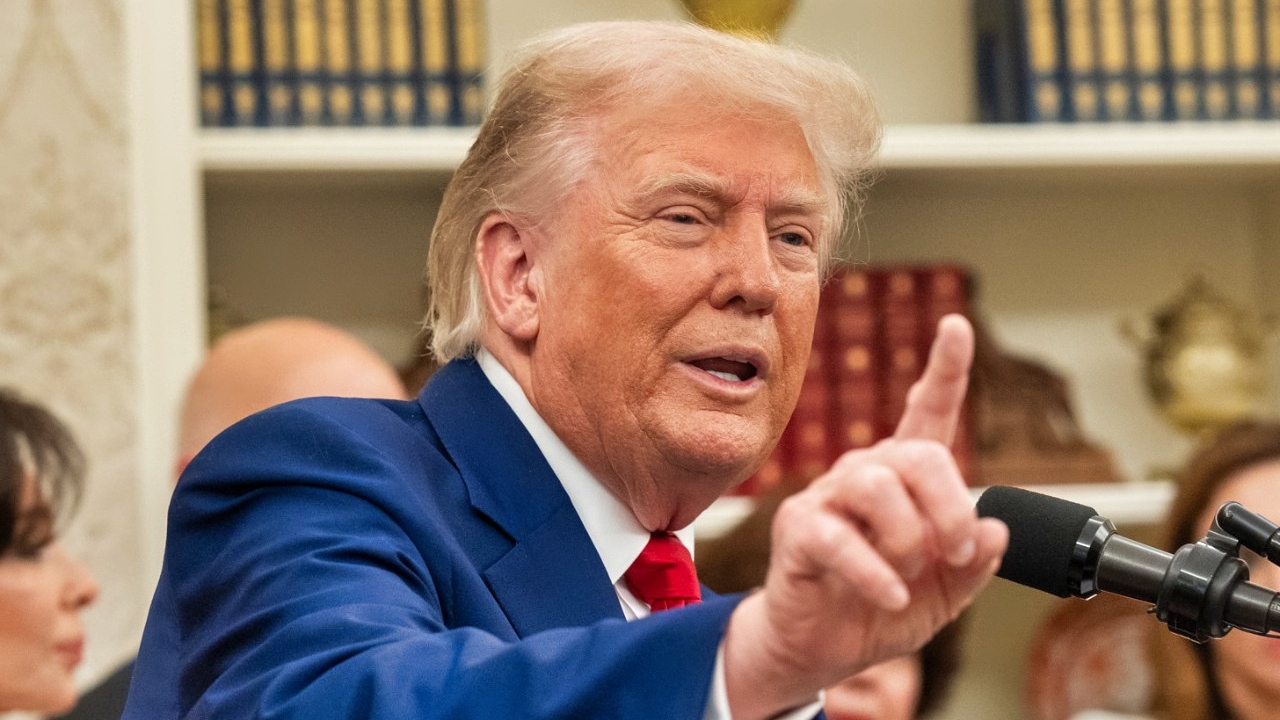
The Strategic Importance of U.S.-India Relations
India is quickly becoming one of the most significant potential allies for the United States. As the fifth-largest economy in the world, it has shown remarkable growth and is projected to rise to the second-largest by 2050, according to PriceWaterhouseCoopers. In 2024 alone, U.S. trade with India reached $212 billion, marking an 8.3% increase from the previous year. This economic strength, combined with a vast population and a historical skepticism toward the Chinese Communist Party, positions India as a crucial counterbalance to China's growing influence.
Moreover, the Indian people have long shown a favorable view of the United States. Despite this, the Trump administration made a series of decisions that have raised concerns about the future of this strategic relationship. One such decision was the administration’s approach to India's continued purchases of Russian oil. While India does buy Russian oil, this is largely due to the necessity of feeding its 1.4 billion citizens and fueling its expanding economy. The impact of these purchases on Russia’s actions in Ukraine is minimal, as Russia can easily sell its oil to other buyers.
Instead of addressing this issue with measured concern, the Trump administration took a more aggressive stance. It doubled tariffs on Indian goods to 50%, which could severely limit trade between the two nations. Additionally, the administration praised and courted leaders of Pakistan, India’s regional rival, and even hinted at shifting support toward Pakistan. These actions were further compounded by public criticisms of India’s economy, with former President Trump calling it “dead.”
These moves risk causing long-term damage to the U.S.-India relationship. What was once a promising and critical alliance could be reduced to a neutral position or even turn into an outright adversary. Richard Fontaine of the Center for a New American Security often discusses the concept of “Global Swing States,” nations that could either align with the U.S. or with China. In this analogy, India is like Pennsylvania, and the Trump administration’s actions are akin to running ads across the state that criticize local teams and threaten to harm the state’s economy.
Strengthening U.S.-India Ties
Despite these challenges, there are strong reasons for the U.S. and India to deepen their security and economic relationship. India has already become a close military ally, having purchased over $24 billion in U.S. military equipment. Its major suppliers include Western allies such as Israel and France. While a significant portion of its military equipment still comes from Russia, the volume of imports from that country is steadily declining. More importantly, India’s military purchases from China are negligible.
India has also participated in numerous bilateral and multilateral military exercises with the U.S., strengthening the ability to coordinate during times of crisis. Furthermore, both nations have a shared interest in combating terrorism. They have historically exchanged intelligence, technologies, and tactics, and these relationships have grown closer in recent years.
Economically, the U.S. and India are near-perfect complements. India consumes the second-most food globally, while the U.S. is the largest food exporter. The American tech sector heavily relies on remote Indian workers with STEM backgrounds. India has a massive demand for American services and energy, and the U.S. is now a net energy exporter. While some competition exists between U.S. and Indian companies, the majority of their interactions are complementary.
A Call for Reassessment
The U.S.-India relationship is not without its challenges. India’s human rights record is far from flawless, and U.S. companies often find the country’s bureaucratic hurdles frustrating. India has not clearly aligned itself with the “Western Team” in the same way as countries like Israel, South Korea, or the United Kingdom. It maintains ties with adversarial nations such as Russia.
However, these issues do not justify pulling back from what had been a promising and deepening relationship. There is speculation that the Trump administration may be playing a longer game, angling for a trade deal. If this is the case, it is hoped that the administration will change course soon. Otherwise, the current approach represents an incomprehensible blunder that could cost the U.S. decades of strategic advantage.

Posting Komentar untuk "Trump's India Policy: A Catastrophic Misstep"
Posting Komentar