
Trump's Tariff War Meets Global Tensions
Trump's Tariff Strategy Faces Geopolitical Challenges
President Donald Trump has been known for his aggressive use of tariffs to push foreign nations into favorable trade deals. However, this approach is now encountering significant challenges due to the complex geopolitical landscape.
Trump’s recent actions have shown a willingness to escalate economic pressures against Russia in response to its ongoing conflict with Ukraine. Advisors suggest that his threats to impose sweeping tariffs on India are likely to be implemented. Yet, this strategy must also consider an upcoming deadline to extend a trade agreement with China, the world’s second-largest economy. This situation requires careful navigation as White House officials deliberate on their next steps.
One individual close to Trump described his growing frustration with Russian President Vladimir Putin, noting that while Trump is clearly upset, he is also aware of the competing priorities at play. Balancing these demands presents a unique challenge for Trump. He is simultaneously threatening sanctions on Russian energy, which is crucial to Putin’s military efforts, while trying to gain leverage in trade negotiations with India and maintaining a fragile trade relationship with China.
The convergence of these conflicting priorities has led to intense discussions within the West Wing about the potential options Trump could pursue. These discussions are particularly focused on the meeting between Putin and Steve Witkoff, Trump’s trusted foreign envoy, currently underway in Moscow.
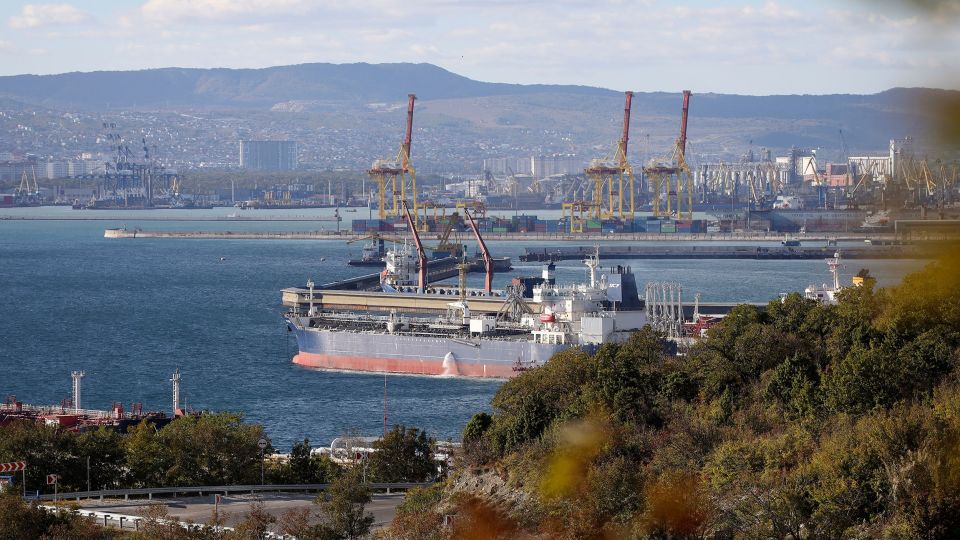
Trump has threatened secondary sanctions on Russian energy, which would primarily affect China and India, the two largest buyers of Russian energy. Additionally, he is considering targeted sanctions on specific tankers involved in transporting Russian oil, often referred to as the "shadow fleet." These vessels are used to bypass existing Western sanctions.
The Biden administration has had some success in targeting vessels critical to evading sanctions. Discussions about tailored sanctions specifically targeting India have also taken place. Trump feels empowered to implement these secondary sanctions, which were previously considered but never enacted due to concerns over inflation and rising gas prices.
However, Trump faces a different scenario today, as global demand for energy is decreasing and output from OPEC and its allies is increasing. This has helped mitigate concerns about energy price spikes that plagued the previous administration.
This situation has created leverage for the Trump administration, as frustration with Putin’s refusal to engage has delayed the expected quick resolution to the three-year conflict.
Trade Talks with India Hit Snag
These dynamics have also contributed to the breakdown in long-standing and intense trade negotiations between the US and India, according to advisors. While there is overlap between Trump’s threats against Russia and his warnings about India’s energy purchases, the dispute with the fifth-largest economy is primarily focused on trade talks.
“We consider a wide range of options, but this is more of a convenient coincidence than an overarching strategic plan,” one official stated. Trump has acknowledged this perspective, noting that the main issue with India is that tariffs are too high. Peter Navarro, Trump’s senior counselor for trade and manufacturing, has referred to India as “the Maharaja of tariffs,” highlighting the longstanding frustration with India’s protectionist policies.
As the August 1 deadline for reciprocal tariffs approached, foreign partners offered significant concessions on US market access, but India was an exception. A senior administration official noted that Trump wanted deals that substantially opened markets, but India was not ambitious enough in its approach.
While India’s purchases of Russian energy and military equipment were known, Trump brought these issues to the forefront to pressure Indian negotiators.
Complications with China
Any large-scale effort to trigger secondary sanctions would directly impact the delicate US-China trade talks. Both countries have used economic statecraft, sanctions, and export controls to manage their bilateral relationship.
Treasury Secretary Scott Bessent warned Chinese officials during recent face-to-face talks that Trump was serious about secondary sanctions and that they needed to prepare for it. However, concerns about the impact of these sanctions on ongoing trade discussions have been a factor within the administration.
Trump has not yet officially signed off on an extension of the trade truce, even though his top advisors believe it is only a matter of time before he approves it. For Trump, who has operated under constant deadlines, the clock is ticking on both the Russia and China issues.
The decision on the latter now heavily influences the status of the former.

Posting Komentar untuk "Trump's Tariff War Meets Global Tensions"
Posting Komentar