
Trump's Trade War with India Threatens Europe's Fragile Economies
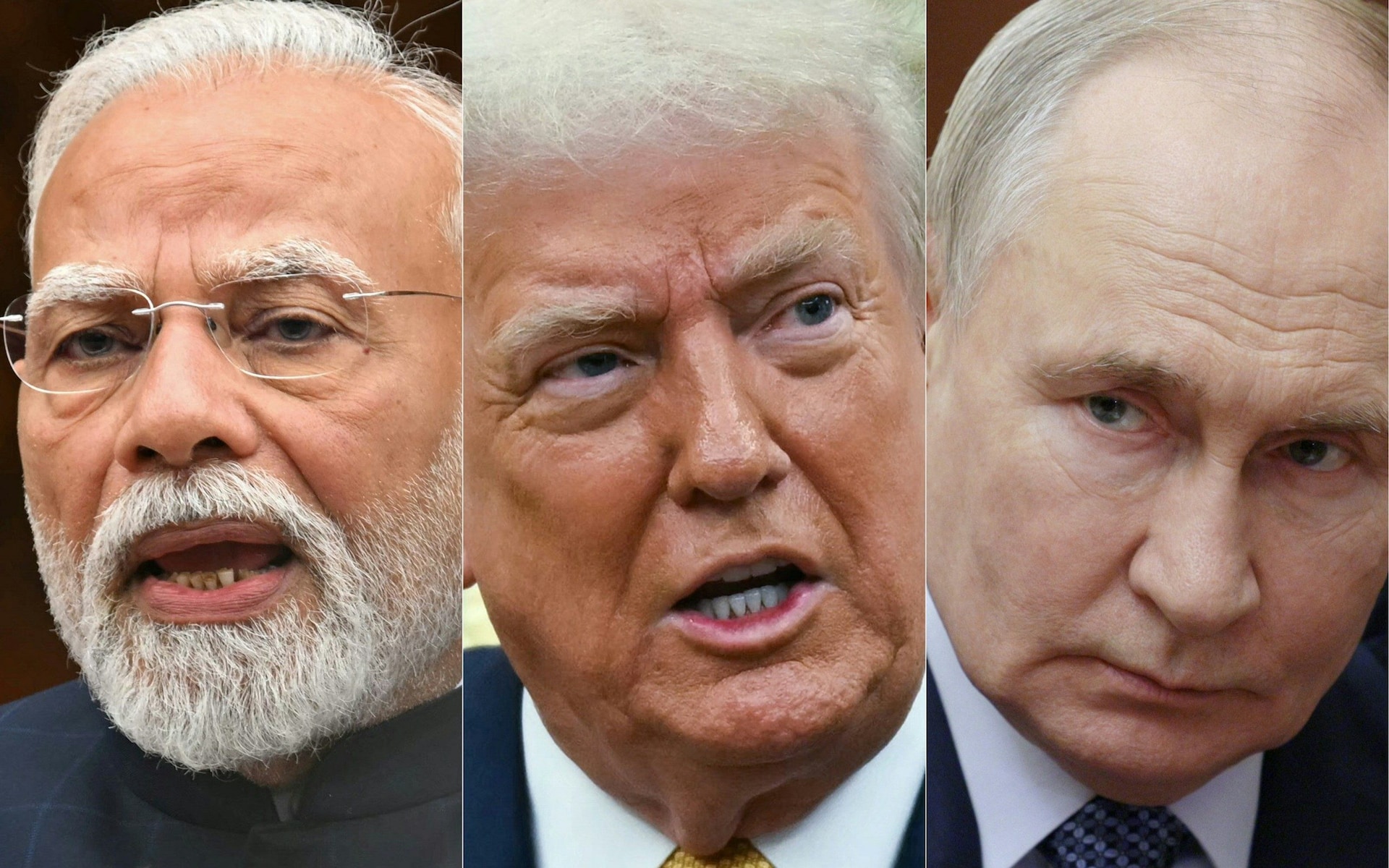
The Unfairness of Trump’s Ultimatum to India
As the tension between the United States and Russia escalates, Donald Trump has issued a clear warning to Vladimir Putin: stop the war or face severe consequences. In response, the administration’s top Russia negotiator, Steve Witkoff, has traveled to Moscow for discussions. Witkoff, a real estate developer and close associate of Trump, lacks formal expertise in Russian affairs but is tasked with delivering a strong message.
The core of this message involves imposing trade tariffs on India, aimed at pressuring it to stop importing Russian oil. Trump recently took to social media to express his frustration, stating that India does not care about the casualties in Ukraine caused by the Russian military. He claimed he would significantly increase the tariffs India pays to the U.S. as a result.
However, this approach raises several questions. India is indeed the largest importer of Russian crude oil, but the European Union actually spends more money on Russian energy than India does. Russia remains a significant supplier of liquefied natural gas (LNG) to Europe, and its crude oil continues to flow through the Druzhba pipeline into Slovakia.
Despite this, the EU and other U.S. allies such as Turkey and Japan have not faced similar threats from Trump. This discrepancy highlights the inconsistency in the administration's approach to dealing with Russian energy imports.
The Economic and Political Implications
India’s actions are based on a careful balance of economic interests and international obligations. The country has been buying Russian oil at capped prices, refining it, and exporting much of it to Europe. This practice complies with the existing price cap mechanisms designed to maintain global oil supply stability while limiting profits for the Kremlin.
However, the potential consequences of disrupting this supply chain are significant. If India were to stop purchasing Russian crude, it could trigger a global oil price crisis. Currently, Russia is the second-largest oil exporter after Saudi Arabia, supplying 4.5 million barrels per day to global markets.
In March 2022, following the invasion of Ukraine, fears of Russian oil being excluded from the market drove Brent crude prices to $137 per barrel—nearly double the current price. Analysts warn that a similar scenario today could push prices to $200 per barrel.
But is the economic pain worth it? The potential outcomes include higher fuel prices, an economic downturn in Europe and the U.S., and increased inflationary pressures. These could be significant costs for consumers and businesses alike.
The Flawed Sanctions Framework
Despite the rhetoric, the sanctions imposed on Russia by the EU and the U.S. contain numerous exceptions. For instance, countries like Hungary, Slovakia, and the Czech Republic are allowed to continue importing Russian crude. The latest European sanctions package claims to ban the import of refined oil products from Russian crude, but this is largely unenforceable due to technical challenges.
Moreover, the package includes exemptions for countries such as Canada, Norway, Switzerland, the UK, and the U.S., making the supposed “ban” ineffective. Russian gas remains unsanctioned and uncapped, further undermining the effectiveness of these measures.
The Role of Diplomacy and Deception
Trump’s decision to target India with tariffs appears both unfair and impractical. It overlooks the fact that Europe remains the largest importer of Russian energy in dollar terms and a major contributor to Putin’s war funding. The move also ignores the complex web of economic and political relationships that sustain the flow of Russian energy.
Russia’s media has responded to Witkoff’s visit to Moscow with optimism, suggesting that dialogue will prevail. Kirill Dmitriev, a former banker with a background in prestigious institutions, has expressed confidence in the negotiations.
However, Witkoff’s past experiences raise concerns. His previous use of a Kremlin interpreter instead of one from the U.S. Embassy highlights a lack of preparedness. This may leave him vulnerable to manipulation by seasoned Russian diplomats like Sergei Lavrov and Putin himself.
A Dangerous Assumption
Putin’s strategy seems to rely on the assumption that Trump will eventually back down, as he has done in the past. Meanwhile, Russian forces continue their advance in Donbas, and missiles strike civilian areas in Ukrainian cities. The outcome of these talks could have far-reaching implications for the conflict and global energy markets.

Posting Komentar untuk "Trump's Trade War with India Threatens Europe's Fragile Economies"
Posting Komentar