
Unity's Q2 Sales Beat Estimates, But Revenue Guidance Falls Short
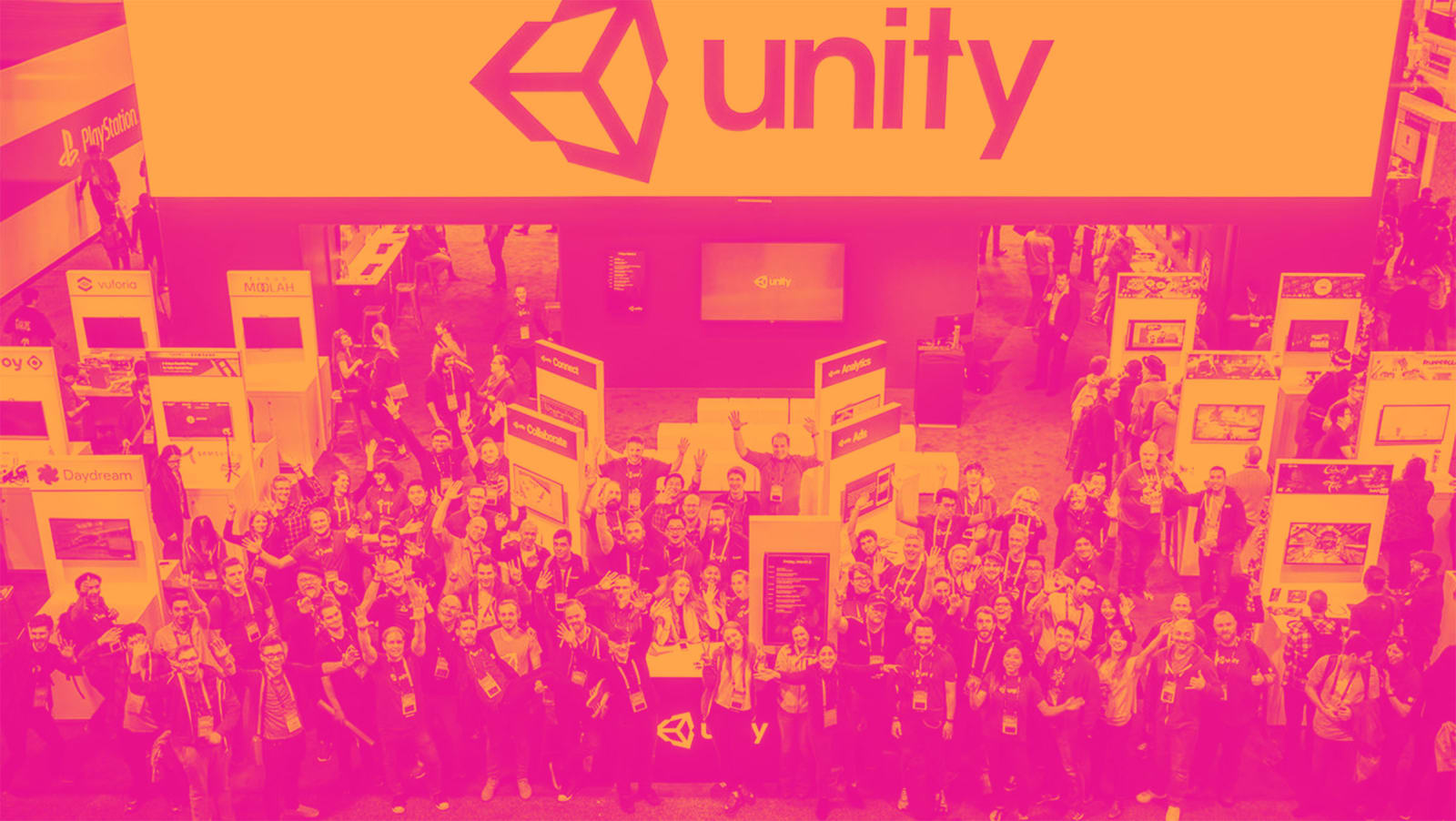
Unity’s Q2 CY2025 Results: Mixed Performance with Some Bright Spots
Unity, a leading game engine developer, recently released its financial results for the second quarter of 2025. The company reported total revenue of $440.9 million, which represents a 1.9% year-over-year decline. However, this figure exceeded analyst expectations by 3.1%, indicating some positive momentum despite the overall downward trend.
In terms of profitability, Unity delivered an adjusted earnings per share (EPS) of $0.18, significantly surpassing the estimated $0.15 by 22%. This strong performance was also reflected in the adjusted EBITDA, which reached $90.5 million, beating estimates by 16.8%. The company’s EBITDA margin stood at 20.5%, showing improved efficiency and cost management.
Despite these positive numbers, the outlook for the next quarter is less encouraging. Unity has guided for Q3 revenue of $445 million at the midpoint, which falls slightly short of analysts’ expectations of $447.6 million. Similarly, the EBITDA guidance for the third quarter is set at $92.5 million, below the estimated $93.25 million. These figures suggest that while the company performed well in the current quarter, there may be challenges ahead.
Operational Improvements and Financial Metrics
Looking at the company's operational performance, Unity saw an improvement in its operating margin, which came in at -26.9% for the quarter, up from -28.8% in the same period last year. This indicates that the company is managing costs more effectively than in previous quarters.
Another key metric is the free cash flow margin, which rose to 28.7% in the second quarter, a significant jump from the 1.7% recorded in the previous quarter. This suggests that Unity is generating more cash from its operations, which could be used for reinvestment or shareholder returns.
The company’s market capitalization stands at $14.11 billion, reflecting investor confidence in its long-term potential. Unity’s CEO, Matt Bromberg, emphasized that the second quarter marked an inflection point for the company, highlighting the impact of product innovation and customer focus on its performance.
Company Overview and Revenue Growth
Founded as a game studio by three friends in a Copenhagen apartment, Unity has evolved into a software-as-a-service platform that empowers developers to create and monetize games and other visual digital experiences. Over the past three years, the company has achieved a compounded annual growth rate of 13.4% in sales. While this growth is commendable, it falls slightly below the standards expected in the software sector, which typically benefits from broader industry trends.
This quarter, Unity’s revenue declined by 1.9% year-over-year but still beat Wall Street’s expectations by 3.1%. The company’s management has indicated that sales are expected to remain flat in the next quarter. Looking ahead, sell-side analysts anticipate a 4.3% revenue growth over the next 12 months, which represents a slowdown compared to the past three years. This projection suggests that Unity may face some demand headwinds in the coming periods.
Customer Acquisition Efficiency and Market Reaction
Customer acquisition cost (CAC) payback period is a critical metric for evaluating the effectiveness of a company’s sales and marketing efforts. A shorter CAC payback period indicates better returns on investment and scalability. In the latest quarter, Unity’s CAC payback period was negative, meaning that the company’s incremental sales and marketing investments outpaced its revenue. This inefficiency points to a highly competitive market where differentiation between Unity and its peers is limited.
Following the release of its Q2 results, Unity’s stock experienced a slight decline, trading down 4.9% to $32.30. While the company exceeded expectations on key metrics such as EPS and EBITDA, the weaker guidance for the next quarter led to a cautious market reaction.
Key Takeaways and Investment Considerations
Overall, Unity’s Q2 results were mixed, with strong performance on certain metrics offset by weaker guidance for the upcoming quarter. The company’s ability to exceed analyst expectations on EPS and EBITDA highlights its resilience and potential for growth. However, the challenges in customer acquisition and the slowing revenue growth projections raise concerns about its long-term prospects.
Investors considering whether to buy or hold Unity’s stock should evaluate factors such as valuation, business model strength, and recent performance. While the company shows promise, the current market conditions and competition may require a more cautious approach. For a deeper analysis of Unity’s position and future outlook, further research and insights can provide valuable guidance.

Posting Komentar untuk "Unity's Q2 Sales Beat Estimates, But Revenue Guidance Falls Short"
Posting Komentar