
U.S. Senator Investigates Intel Board Over CEO's China Ties Amid Security Fears and Cadence Scandal
Leadership and National Security Concerns at Intel
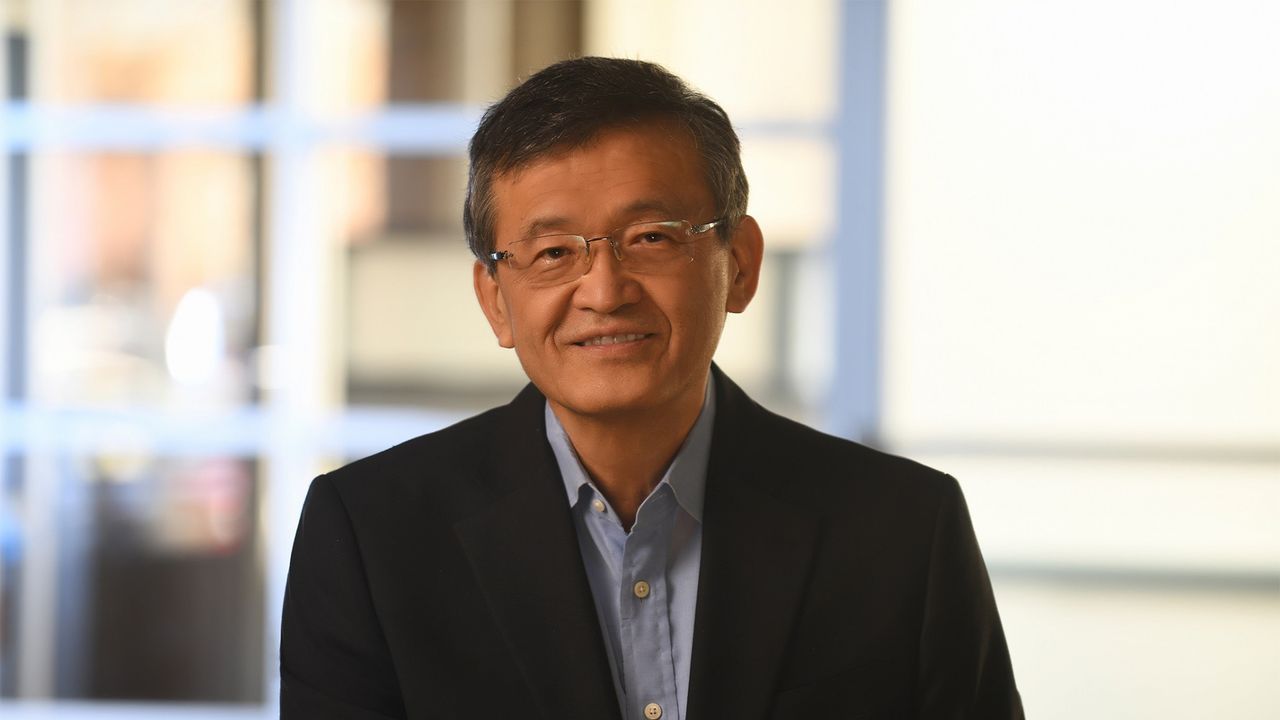
The appointment of Lip-Bu Tan as CEO of Intel has raised significant concerns among U.S. lawmakers, particularly from Senator Tom Cotton. Cotton is now closely examining Tan’s past business connections with Chinese technology firms and whether these ties could pose a threat to Intel's role in American defense-linked supply chains.
In a letter addressed to Intel's board chair, Frank Yeary, Cotton questioned whether the board thoroughly vetted Tan's involvement in companies with ties to the Chinese military. He also asked if Tan had sufficiently divested from those entities before taking the helm at Intel. This inquiry comes amid growing scrutiny over the company's national security responsibilities.
Intel plays a critical role in the federal Secure Enclave initiative, which aims to secure microelectronics for U.S. defense use. The company holds a roughly $3 billion contract with the Department of Defense, making its compliance with national security protocols even more crucial. Cotton’s letter specifically asks whether Tan’s investment history could compromise Intel’s obligations under such programs.
This isn’t the first time Intel has faced criticism over national security concerns. The company has been involved in several controversies related to its operations and partnerships. A recent Reuters investigation revealed that Tan invested at least $200 million in over 600 Chinese firms through his venture firm Walden International and related entities. Some of these firms were linked to the People’s Liberation Army, including early investments in SMIC and partnerships with state-linked companies like China Electronics Corporation. Although Tan claimed to have divested from these holdings, Chinese databases still listed many of them as active, raising questions about compliance.
Tan also led Cadence Design until 2023. The company recently agreed to plead guilty and pay over $140 million after selling chip-design tools to a Chinese military university involved in nuclear simulation work during his leadership. Cotton specifically asked whether the Intel board was aware of the subpoenas received by Cadence while Tan was CEO and what steps were taken to address the concerns.
Intel has responded by stating that both the company and Tan are committed to national security and will cooperate with the board inquiry. It also emphasized that both Intel and Tan are "deeply committed to the national security of the United States."
This level of scrutiny is not just political posturing. Intel’s future is closely tied to global tech policy and its ambitions in the foundry market. Under new leadership, Intel reportedly considered axing the 18A process node for foundry customers—previously seen as its technical crown jewel—and instead focusing on the next-generation 14A foundry roadmap to attract major clients like Apple and Nvidia. These strategic shifts highlight the importance of trust and compliance in maintaining Intel’s position in the industry.
Tan’s background as a seasoned investor who helped build China’s early semiconductor ecosystem is viewed by analysts as a key factor in Intel’s potential turnaround. However, his legacy also raises concerns about potential conflicts of interest, especially given his deep involvement in firms now subject to export controls and sanctions.
With reports that Intel is exploring facility spinoffs and struggling to compete with TSMC for foundry relevance, the CEO’s personal ties could become more than just symbolic—they may influence investment decisions, policy considerations, and partner confidence. As other industry leaders face similar scrutiny, the outcome of this situation could shape how talent with international exposure is evaluated at U.S. tech companies with defense-related roles.

Posting Komentar untuk "U.S. Senator Investigates Intel Board Over CEO's China Ties Amid Security Fears and Cadence Scandal"
Posting Komentar