
US Slashes Tariffs on India Over Russian Oil Deal
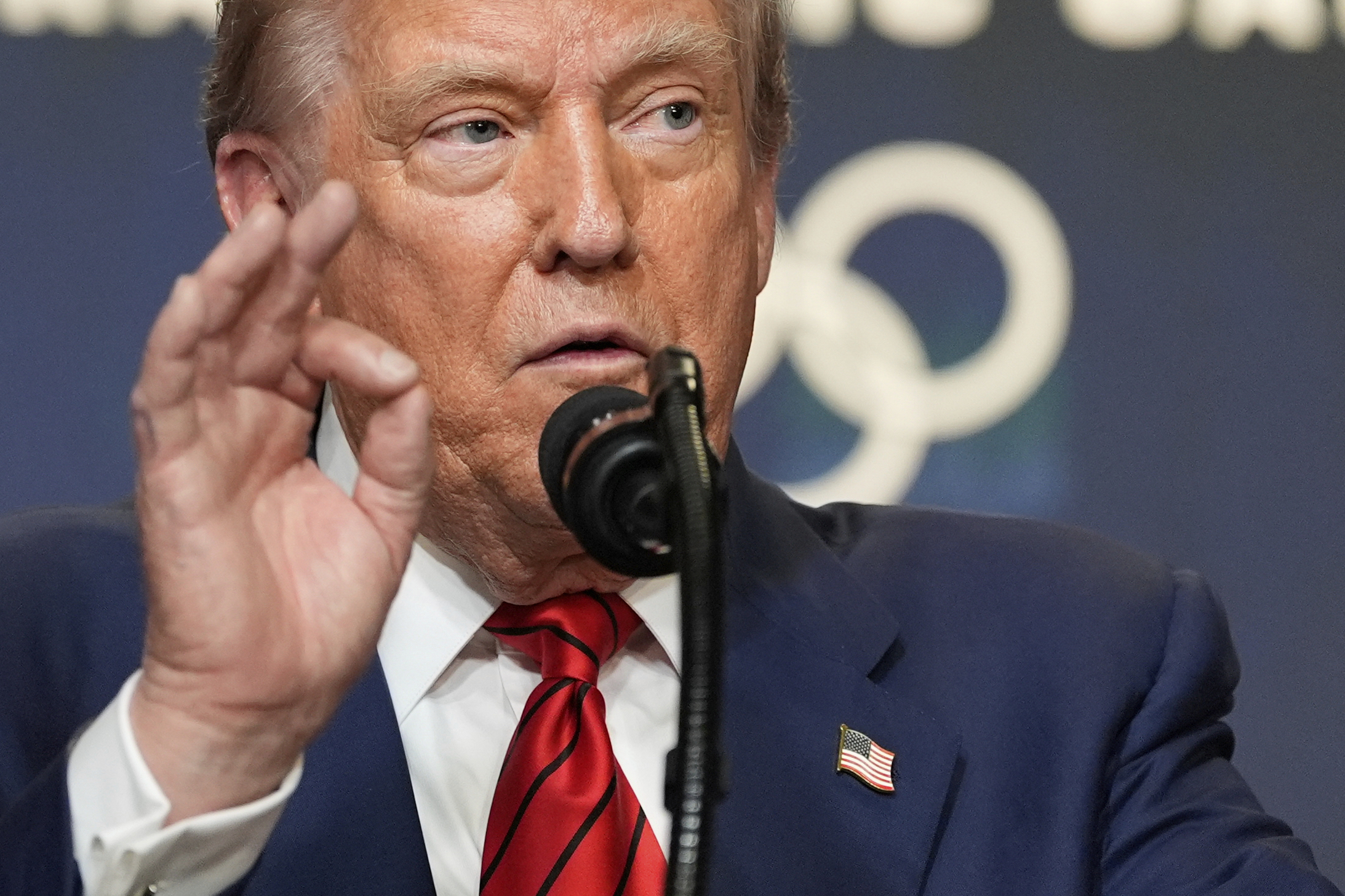
U.S. Imposes Additional Tariffs on India Over Russian Oil Purchases
The United States has taken a significant step in its efforts to pressure Russia over the ongoing conflict in Ukraine by imposing additional tariffs on India. President Donald Trump signed an executive order that increases the tariff rate on Indian imports by 25 percent, targeting the country’s purchases of Russian oil. This move comes as part of broader efforts to escalate economic pressure on Moscow and force it to end hostilities in Ukraine.
The new tariffs will take effect within 21 days and add to the existing 25 percent penalty that was previously announced. The decision follows a meeting between Russian and U.S. officials that failed to yield any meaningful progress toward a peace agreement. The White House had set a deadline for Russia to reach a deal with Ukraine or face major economic consequences, which is now approaching.
Trump has been vocal about his intent to impose “secondary tariffs” of up to 100 percent on countries that continue to buy energy from Russia. This measure is aimed at cutting off financial support to Russia’s economy, particularly through its energy exports. However, India has become a particular focus due to the stalled trade negotiations between the two nations over the past month.
Russia remains a key player in the global oil market, producing approximately 12 percent of the world’s crude oil supply in 2024. Despite Western sanctions, including a price cap on Russian oil exports, the country has managed to maintain its operations through a network of tankers known as a “shadow fleet.” This allows it to continue exporting oil despite international restrictions.
India has strongly criticized the executive order, calling it “unfair, unjustified and unreasonable.” A government spokesperson emphasized that India’s oil imports are driven by market conditions and the need to ensure energy security for its 1.4 billion citizens. “It is extremely unfortunate that the U.S. should choose to impose additional tariffs on India for actions that several other countries are also taking in their own national interest,” the statement said. The Indian government has pledged to take all necessary actions to protect its national interests.
The oil and gas sector accounts for a significant portion of Russia’s revenue, with the industry contributing around 30 percent of the government’s annual income. China is the largest importer of Russian oil, followed closely by India. According to an analysis by Brookings Institution senior fellow Robin Brooks and Harvard Kennedy School economist Ben Harris, China purchased $62.5 billion worth of Russian oil last year, while India spent $52.7 billion.
The potential impact of secondary sanctions could be far-reaching. If Russia’s oil exports decline by 10 percent, the price of Brent crude oil could rise by $6 per barrel, and a 20 percent drop could push prices up by $11. Such increases could lead to a recession in the U.S. and other global economies.
China is also the largest overall importer of Russian goods, with total purchases reaching $128.3 billion last year. Other significant buyers include India, Turkey, Belarus, Kazakhstan, and Brazil. White House National Economic Council Director Kevin Hassett acknowledged that China also purchases Russian oil but stated that Trump’s current focus is on India.
Hassett argued that India has been resistant to trade discussions and that the U.S. does not want India to serve as a “release valve” for Russia. He suggested that this dynamic may be prolonging the war. Meanwhile, Trump downplayed concerns about rising oil prices, citing increased U.S. drilling activity as a countermeasure.
However, experts warn that if countries continue to buy Russian oil after the imposition of 100 percent tariffs, it could lead to a U.S. embargo on those nations. This would likely result in higher prices for many goods, increased risk of a recession, and potential instability in financial markets.
India has responded to the threat of secondary sanctions by calling the move “unjustified and unreasonable.” It has also hinted at possible retaliation and defended its oil purchases as essential for maintaining affordable energy costs for consumers. The government accused the U.S. and EU of hypocrisy for continuing to buy Russian goods while criticizing India’s actions.
As tensions continue to mount, the situation highlights the complex interplay between global energy markets, geopolitical strategies, and economic consequences. The outcome of these developments will have far-reaching implications for both the U.S. and its international partners.

Posting Komentar untuk "US Slashes Tariffs on India Over Russian Oil Deal"
Posting Komentar