
Wear OS 2025: The Ultimate Guide
Understanding Wear OS: What It Is and Why It Matters
Wear OS is a smartwatch operating system developed by Google. While it may seem straightforward, its capabilities extend far beyond just being a platform for wearable devices. For those interested in learning more about this technology, there’s a lot to explore.
A Brief Overview of Wear OS
At its core, Wear OS is designed to power smartwatches and other wearable gadgets. It provides users with a seamless experience, allowing them to access notifications, manage apps, and control other connected devices from their wrist. This operating system has evolved significantly over the years, becoming more intuitive and feature-rich.
One of the key advantages of Wear OS is its integration with other Google services. Users can easily access Google Assistant, receive voice commands, and even make payments through Google Pay. These features make it a powerful tool for managing daily tasks on the go.
Key Features of Wear OS
There are several notable features that set Wear OS apart from other smartwatch operating systems. Here are some of the most important ones:
-
Voice Control: With built-in voice recognition, users can interact with their smartwatches using simple voice commands. This makes it easier to send messages, set reminders, and perform other actions without touching the screen.
-
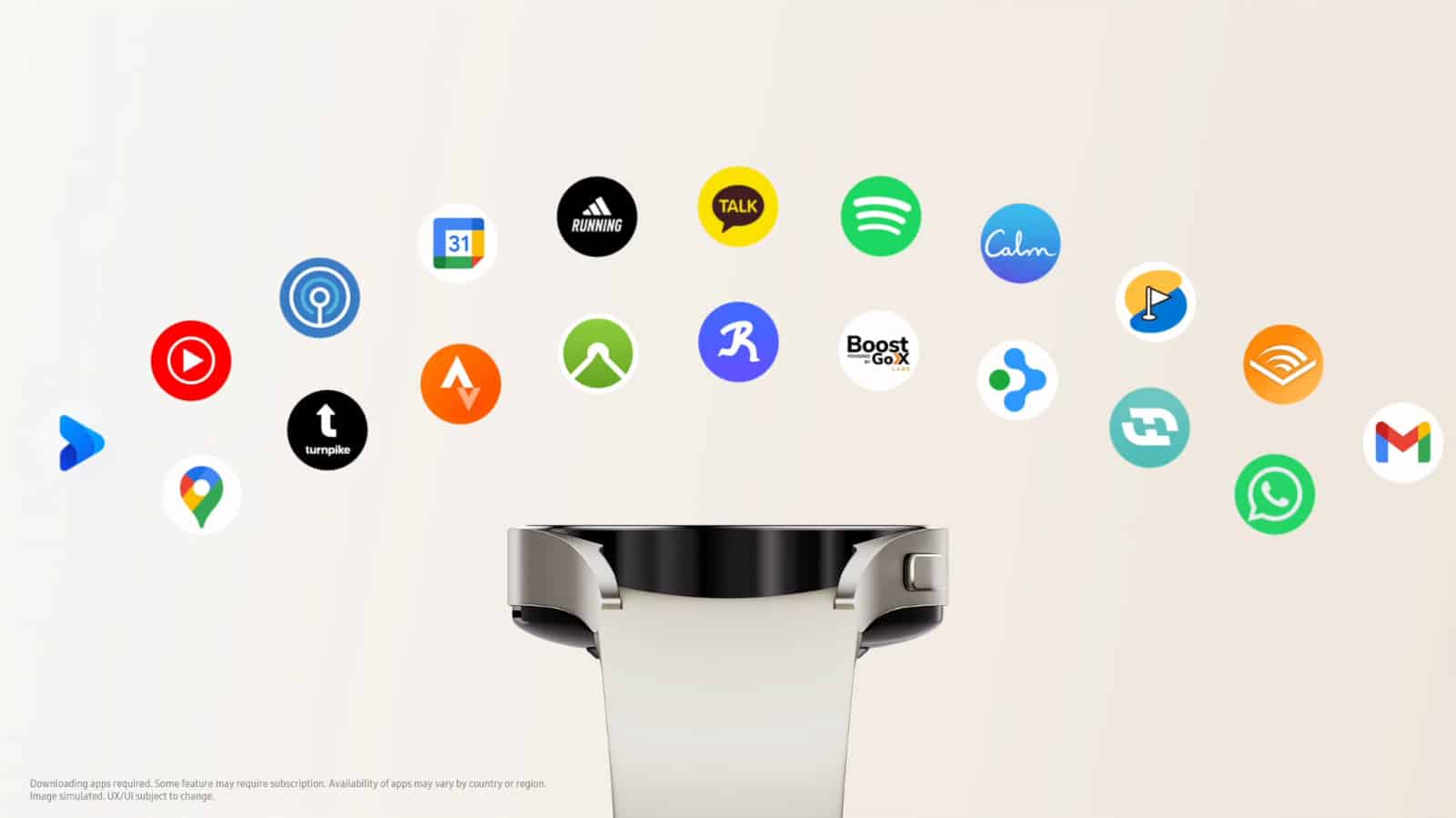
App Ecosystem: Wear OS supports a wide range of third-party applications. From fitness trackers to music players, users have access to a variety of tools that enhance their smartwatch experience.
-
Health and Fitness Tracking: Many Wear OS-powered devices come with advanced health monitoring features. These include heart rate tracking, sleep analysis, and even ECG functionality on select models.
-
Customization Options: Users can personalize their smartwatch faces and widgets to suit their preferences. This level of customization ensures that each user gets a unique experience tailored to their needs.
How Wear OS Compares to Other Platforms
When compared to other smartwatch operating systems like Apple WatchOS or Samsung's Tizen, Wear OS offers a different approach. While Apple WatchOS is known for its seamless integration with iOS devices, Wear OS is designed to work across a broader range of hardware. This means that users can choose from various brands and models, all running on the same operating system.
Additionally, Wear OS benefits from Google's extensive ecosystem. This includes access to Google Maps, Google Calendar, and other essential services that many users rely on daily. The platform also supports cross-device synchronization, making it easier to manage multiple devices from one central location.
The Future of Wear OS
As technology continues to evolve, so does Wear OS. Google is constantly updating the platform to improve performance, add new features, and enhance user experience. Recent updates have focused on improving battery life, expanding app compatibility, and refining voice recognition capabilities.
With the growing popularity of wearable technology, Wear OS is well-positioned to remain a strong contender in the market. Its ability to adapt and innovate ensures that it will continue to meet the needs of users for years to come.
Conclusion
In summary, Wear OS is more than just a smartwatch operating system—it's a comprehensive platform that offers a wide range of features and functionalities. Whether you're looking to stay connected, track your health, or manage your daily tasks, Wear OS provides a versatile solution that caters to a variety of needs. As the technology continues to advance, it's clear that Wear OS will play a significant role in shaping the future of wearable devices.

Posting Komentar untuk "Wear OS 2025: The Ultimate Guide"
Posting Komentar