
When Should Humans Yield to AI in Customer Service?
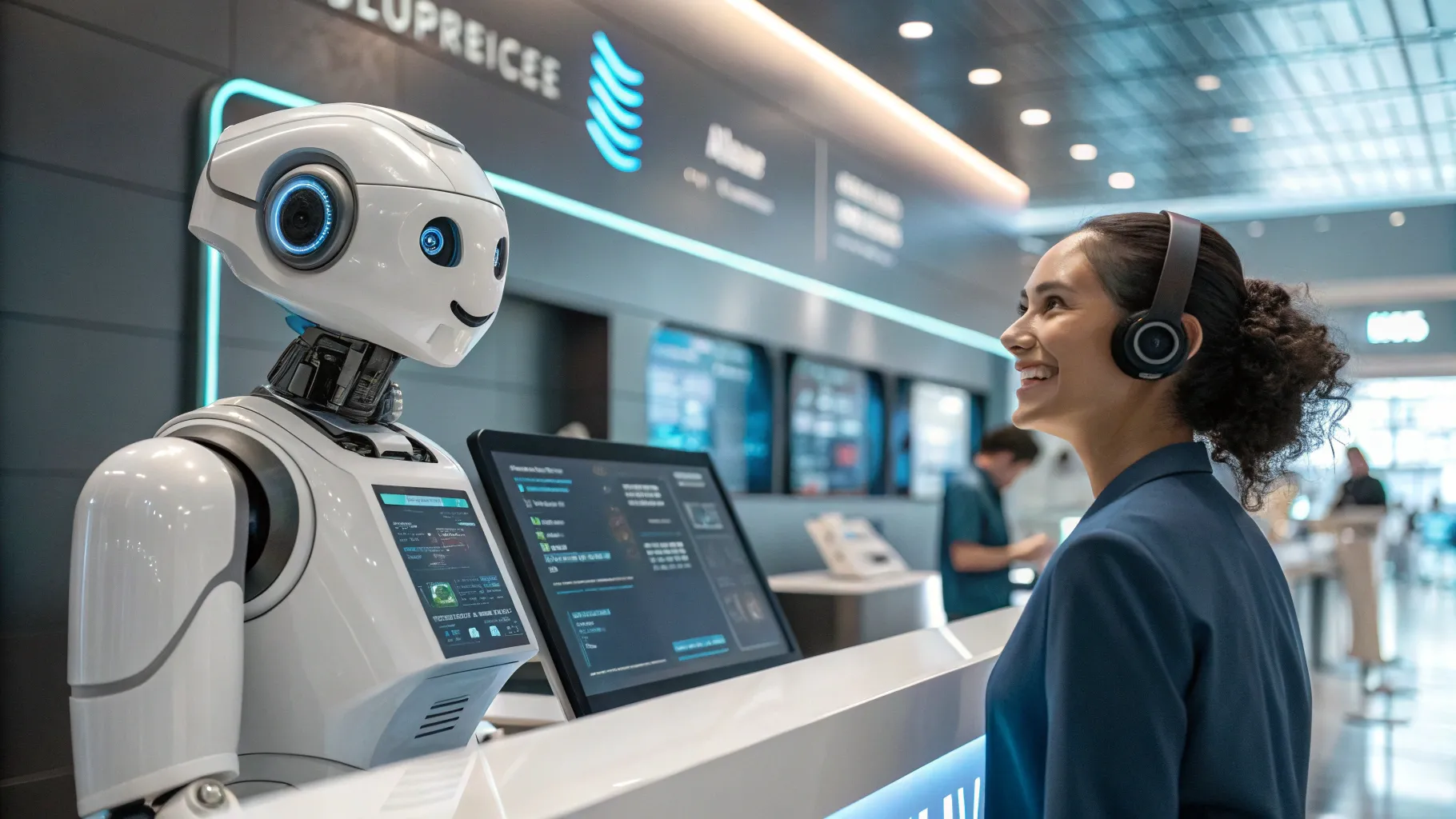
The Role of Human Interaction in Customer Service
In the world of customer service, it's commonly believed that human interaction is the gold standard. However, this assumption isn't always accurate. There are instances where customers prefer not to speak with a human representative, and forcing them to do so can create friction rather than satisfaction.
It's important to note that human-to-human interaction remains crucial for complex, sensitive, or emotionally charged issues. These situations require empathy, nuance, and adaptive thinking—qualities that AI still struggles to replicate. When a customer is upset, confused, or dealing with a complicated problem, speaking with another person provides reassurance.
The Efficiency Advantage
For routine questions and simple requests, human interaction isn't just unnecessary—it can be an obstacle to what customers truly want: speed, accuracy, and convenience. Many customers don’t want to talk to someone; they simply want their issue resolved quickly.
Consider these scenarios where AI often enhances the customer experience:
- Checking account balances or transaction history
- Tracking order status or delivery times
- Resetting passwords or updating account information
- Finding basic product information or store hours
- Making simple reservations or appointments
In these cases, waiting for a human representative creates unnecessary friction. An AI solution that offers immediate, accurate answers actually delivers superior service.
Recognizing Customer Priorities
The key insight from working with companies across industries is understanding when customers value efficiency over engagement. This isn’t about cutting costs or reducing headcount—it’s about recognizing what truly matters to customers in different service contexts.
When helping organizations design their customer experience strategy, I encourage them to ask: “What does the customer actually want in this specific interaction?” Often, what they want is the fastest path to resolution, not a conversation.
Just because a human could handle a task doesn’t mean they should. This represents a fundamental shift in how we think about service excellence. The best service isn’t always the most high-touch—it’s the service that best matches customer expectations for that particular situation.
Finding the Right Balance
The challenge for businesses isn’t choosing between humans or AI—it’s determining the right tool for each job. This requires:
- Mapping customer journeys to identify where efficiency matters most
- Understanding emotional context in different types of interactions
- Creating seamless handoffs between AI and human agents when needed
Organizations that get this balance right can deliver both efficiency and empathy. Using technology to handle routine matters allows human agents to focus on situations where they add the most value.
Research shows that customers are increasingly comfortable with AI handling simple matters. In fact, many prefer it, especially younger demographics who value speed and self-service options. The resistance often comes more from within organizations than from customers themselves.
We need to move past the false dichotomy that positions AI as impersonal and human service as superior. The reality is more nuanced. Sometimes the most personal service is the one that respects customers’ time and desire for convenience.
The Future of Customer Experience
The future of exceptional customer experience isn’t about maximizing human touchpoints—it’s about optimizing each interaction to deliver what customers value most in that specific context. Sometimes that means a caring human conversation, and sometimes it means getting out of the customer’s way and letting technology provide the fastest path to resolution.

Posting Komentar untuk "When Should Humans Yield to AI in Customer Service?"
Posting Komentar