
Where is Cuba's Hidden Wealth? Military Holds Vast Cash Reserve
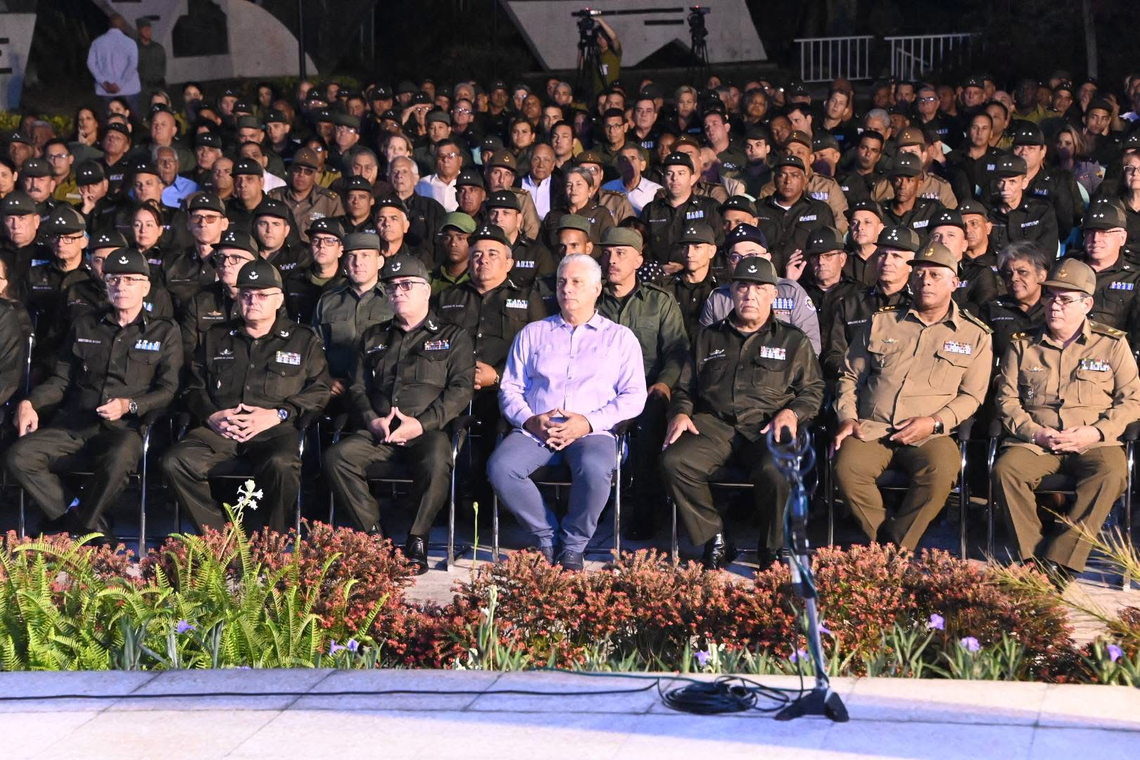
The Cuban Military's Financial Empire
For most people in Cuba, life on the island has taken a tragic turn in recent years. The economy has collapsed, the poorest Cubans dig food from trash heaps, and many die from lack of medications. Meanwhile, the government's response has largely amounted to resisting market reforms and blaming the U.S. embargo for the shortages and daily blackouts. Yet, amid this misery, the Cuban military is thriving financially.
The Cuban Revolutionary Armed Forces have expanded their control over the country's economic lifeline through an umbrella group known as GAESA (Grupo de Administración Empresarial S.A.). This secretive organization controls dozens of profitable businesses, including a significant portion of tourism, most of the island's gas stations and supermarkets, the money-transfer business, currency exchange agencies, and operations at a special development zone on Mariel Bay.
GAESA’s financial power is staggering. According to a Miami Herald investigation, the military holds up to $18 billion in assets, more than the international reserves of nations like Costa Rica, Uruguay, and Panama. This wealth is concentrated in the hands of the military, while ordinary Cubans suffer from severe shortages and economic hardship.
The Hidden Economy of GAESA
GAESA's financial data was recently revealed through leaked documents, providing the most detailed portrayal yet of its finances. These records show that GAESA generated $2.1 billion in net profits during the first quarter of 2024. Cimex, the group's largest holding, accounted for over half of this, reporting $3.4 billion in revenue and $1.2 billion in earnings as of March 2023. Even excluding Cimex, which accounts for an estimated 40% of the military conglomerate's revenue, the remaining companies had a total of $18 billion in assets in March 2024 that could be quickly converted into cash.
Experts believe that GAESA has unofficially assumed the role of the country's central bank, managing international currency reserves. However, the exact use of these funds remains unclear. Some of its companies are registered abroad, including Cimex, which is registered in Panama. This secrecy raises concerns about accountability and transparency.
A Shadow Government
Pavel Vidal, a leading Cuban economist, described GAESA as "a parallel government that is neither accountable nor responsible" to the national assembly or the country's auditing arm. He noted that when Gladys Bejerano, the island's general comptroller, attempted to audit GAESA, she was fired shortly after without explanation.
This lack of oversight has allowed GAESA to operate with impunity, controlling key sectors of the economy while the rest of the country struggles. The military's investments in luxury hotels for a struggling tourism industry have further exacerbated the crisis, squeezing the state out of vital resources that could be used for healthcare, energy, and food.
Economic Dilemma and Political Power
The financial documents also reveal that even GAESA's military-owned companies have been losing billions of dollars. In 2024, GAESA companies reported a significant decline in sales and profits compared to the same period in 2023. This decline is partly attributed to the collapse of tourism, which has become a losing bet for the military.
Despite these losses, GAESA continues to push for the restriction of the private sector, perceiving it as a competitor. Recent measures, such as price hikes on internet data packages, have fueled protests but increased dollar sales for ETECSA, the country's telecom company, which is partly owned by RAFIN S.A., GAESA's financial institution.
Taxation and Transparency Issues
One of the most striking revelations is that GAESA companies pay zero taxes on their dollar sales and no taxes on profits in either foreign or peso currencies. The leaked documents expose this lack of taxation, highlighting how the military retains most of its profits rather than contributing to the government's budget.
GAESA's financial statements also underreport the conglomerate's net worth, particularly regarding its dollar holdings. Experts believe that these accounting maneuvers may be used to conceal the true extent of GAESA's financial resources from other branches of the government and tax authorities.
The Future of Cuba
As Cuba faces an uncertain future, the role of the military and GAESA remains a critical issue. The lack of transparency surrounding GAESA's activities raises concerns about corruption and the potential misuse of public resources. If systemic change occurs in Cuba, there is a risk that the resources controlled by GAESA could be plundered from the public treasury.
Ultimately, the financial empire of GAESA highlights the deep-seated challenges facing Cuba. While the military holds vast resources, the Cuban people continue to suffer from economic hardship and political repression. The need for transparency, accountability, and reform has never been more urgent.

Posting Komentar untuk "Where is Cuba's Hidden Wealth? Military Holds Vast Cash Reserve"
Posting Komentar