
Why AMD Stock Is Falling Despite Strong Results
Strong Sales and Optimistic Outlook, But Stock Still Drops
Advanced Micro Devices (AMD) delivered better-than-expected quarterly sales and provided a positive outlook for the current quarter. However, despite these results, the company's stock experienced a decline on Wednesday. Shares had previously surged nearly 80% in the months leading up to the report, setting a high bar that the latest performance failed to meet.
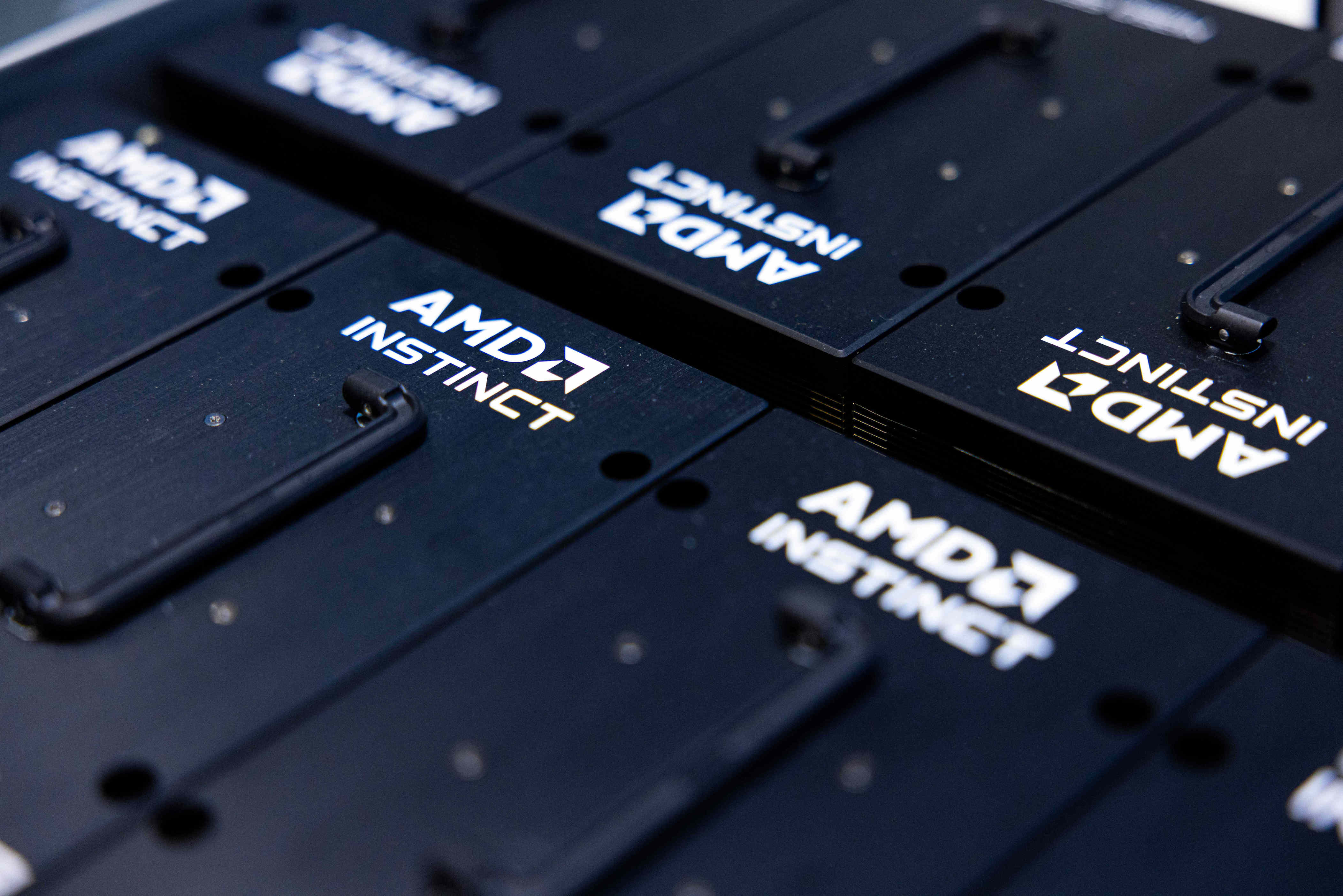
The strong financial performance was driven by robust demand in AMD’s gaming segment. However, the company faced challenges in other areas, including earnings, margins, and data center sales, which were negatively impacted by an $800 million charge related to restrictions on selling AI chips to China. Despite this, AMD projected growth across all its business units in the third quarter, with expectations of double-digit revenue growth as it ramps up sales of its next-gen MI355X AI chip.
Analysts attributed the drop in stock price to high expectations and a valuation that had already been inflated by previous gains. Citigroup analysts noted that while the guidance for the AI chip business aligned with investor expectations, the market still reacted negatively. Similarly, Bank of America suggested that the market was reacting to "likely ignorable earnings noise," compounded by the significant 80% rise in the stock over the three months prior to the report.
Potential Upside from China Sales?
One major factor influencing AMD's future performance is its potential to resume sales of its MI350 chip to China. This chip was specifically designed for Chinese customers to comply with Biden-era restrictions. Recently, AMD and Nvidia announced that the U.S. Commerce Department had agreed to restart reviewing their export license applications after a temporary halt earlier in the year. However, AMD excluded MI350 sales from its recent guidance.
Bank of America analysts pointed out that no China GPU licenses have been issued yet, which may have disappointed investors who expected a $500 million quarterly contribution from China in Q3 and Q4. Despite this, BofA remained optimistic, noting that AMD expects around $1.7 billion in Q3 GPU sales without the $800 million in lost China revenue. This suggests a significantly higher outlook compared to pre-ban expectations.
Wedbush analysts also shared a bullish view, stating that the Q3 outlook was stronger than expected, even without assuming any MI350 export licenses would be granted. They believe this guidance sets the stage for AMD to exceed their previous forecasts for the coming quarters.
Price Targets Raised; Ratings Remain Mixed
Several analysts have raised their price targets for AMD stock. Wedbush increased its target to $190 from $170, maintaining its “outperform” rating. Citigroup lifted its price target to $180 from $165 but kept its “neutral” rating, citing elevated expectations.
Out of the 11 analysts tracked by Visible Alpha, seven have given AMD a “buy” rating, while the rest have assigned a neutral rating. The average price target of $183 implies about a 5% upside from Tuesday’s closing price. As of midday Wednesday, AMD shares were trading at approximately $161.
Despite the mixed analyst ratings, the company continues to show resilience in its financial performance and remains focused on its long-term growth strategy, particularly in the AI and data center markets.

Posting Komentar untuk "Why AMD Stock Is Falling Despite Strong Results"
Posting Komentar