
Why Trump Targets India Despite No Oil Sanctions
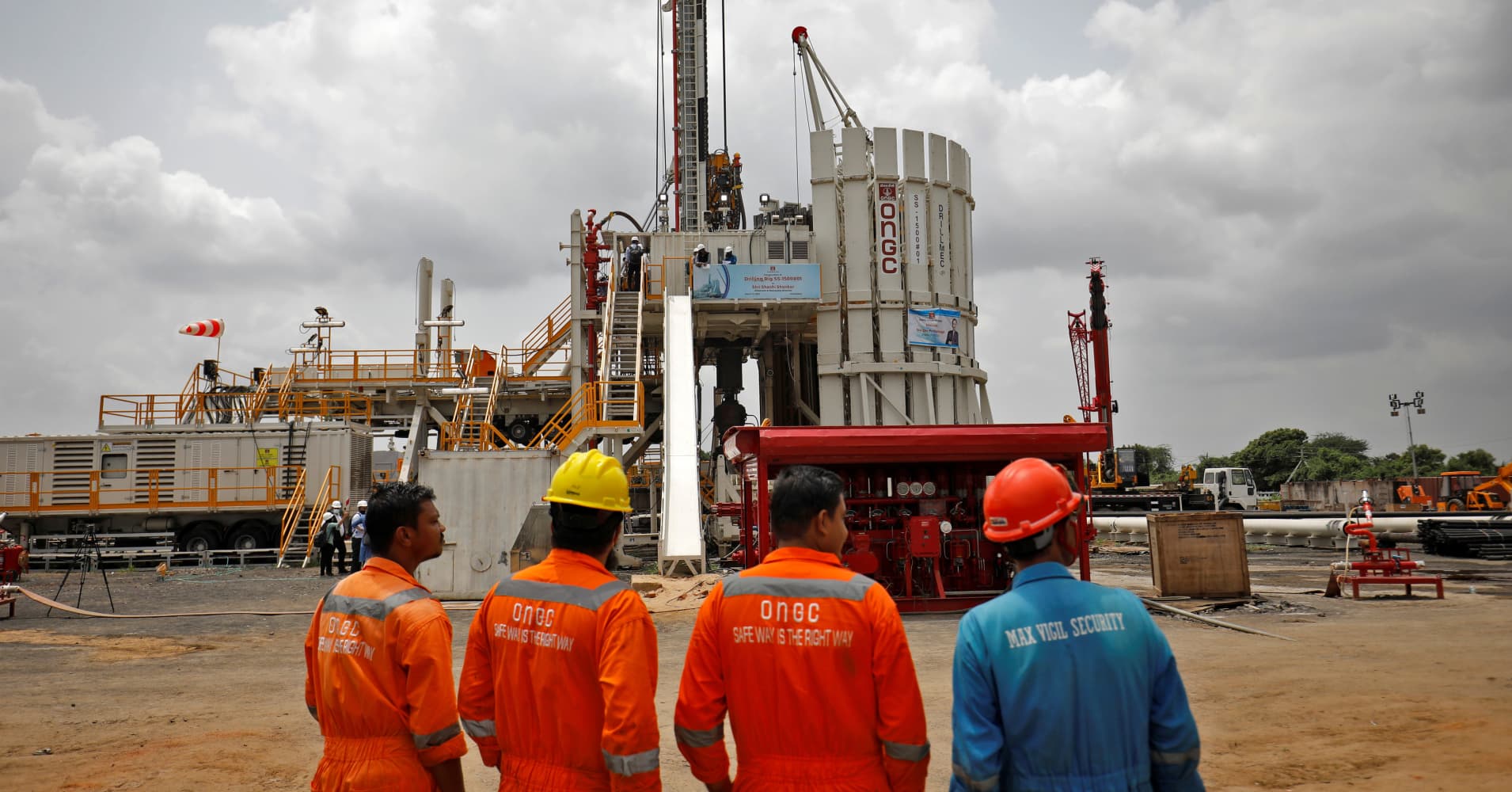
The Complex Dynamics of India’s Russian Oil Imports
India's continued purchase of Russian crude oil has become a focal point of international attention, with potential implications for global energy markets. Industry sources in the Indian petroleum sector have warned that if India were to stop buying Russian oil immediately, global crude prices could surge past $200 per barrel. This concern is based on the significant role India plays in the global oil market, as it currently imports 1.79 million barrels per day of Russian crude, marking the strongest annual pace yet.
The U.S. government has recently increased its pressure on India by imposing an additional 25% tariff, raising the total levies against India to 50%. This move has sparked discussions about whether the U.S. is using this as a negotiation tactic. According to Sara Vakhshouri, founder and president of SVB Energy International, the current pressure on India may be aimed at reclaiming lost U.S. oil market share and securing other commodity exports to India.
A Shift in U.S. Policy
The situation has taken a dramatic turn, as the U.S. previously encouraged India to buy Russian crude to stabilize global oil prices. During the early stages of Russia's invasion of Ukraine, President Joe Biden urged India to take Russian oil to keep prices low. However, the recent shift in U.S. policy has left many in the Indian energy sector confused. Bob McNally, president of Rapidan Energy Group, noted that this reversal highlights the complexity of U.S.-India relations, especially regarding energy policy.
India's reliance on Russian crude has grown significantly over the years. According to data from Kpler, Russian crude exports are around 3.35 million barrels per day, with India accounting for approximately 1.7 million barrels and China for 1.1 million. This trend underscores India's critical role in maintaining global oil supply stability.
Economic and Political Implications
If India were to cut its Russian oil imports, it would likely face challenges in finding alternative sources. Giovanni Staunovo, a commodity analyst at UBS, suggested that refineries might attempt to source crude from the Middle East, but other buyers may not step in to fill the gap. This could lead to a significant disruption in the global oil market, potentially causing prices to skyrocket.
Russia, as the third-largest global crude producer, produces nearly 11 million barrels per day. Its oil exports play a crucial role in global markets, and any reduction in supply could have far-reaching consequences. Industry sources have emphasized that India's purchases of Russian oil are not only economically beneficial but also help stabilize global prices.
The Role of Price Caps and Sanctions
The European Union has imposed a price cap on Russian crude since the 2022 invasion of Ukraine, set at $60 per barrel. This measure aims to limit Moscow's revenue while ensuring a stable supply of oil. Despite this, sources within the Indian petroleum sector claim that the price difference is minimal, with New Delhi not receiving a major discount per barrel.
Additionally, Russian LNG is not entirely under U.S. secondary sanctions, as Europe continues to import gas from Russia via pipelines and LNG. Only certain Russian LNG export terminals are under sanctions, which means that the majority of LNG exports remain unaffected.
Global Market Stability and OPEC+
OPEC+ plays a vital role in stabilizing oil prices by adjusting output based on market conditions. Recent actions by OPEC+ members to increase production have helped alleviate concerns about Russian supply disruptions. However, a complete drop in Russian crude production or exports could significantly impact global market stability, as spare capacity within the group would dwindle.
The U.S. has been aware of these dynamics, and the recent imposition of tariffs on India signals a shift in strategy. While the Trump administration has criticized India for not being a "good trading partner," India has responded strongly, emphasizing that its purchases of Russian oil have been supported by the U.S.
Conclusion
The interplay between India, Russia, and the U.S. in the global oil market is complex and multifaceted. As tensions rise, the potential for significant price fluctuations remains a concern for all stakeholders. The future of India's Russian oil imports will likely depend on diplomatic negotiations, economic considerations, and the evolving geopolitical landscape.

Posting Komentar untuk "Why Trump Targets India Despite No Oil Sanctions"
Posting Komentar