
William and Kate's Resilient Return to Abandoned Welsh Home
A Lasting Symbol of Love and Legacy
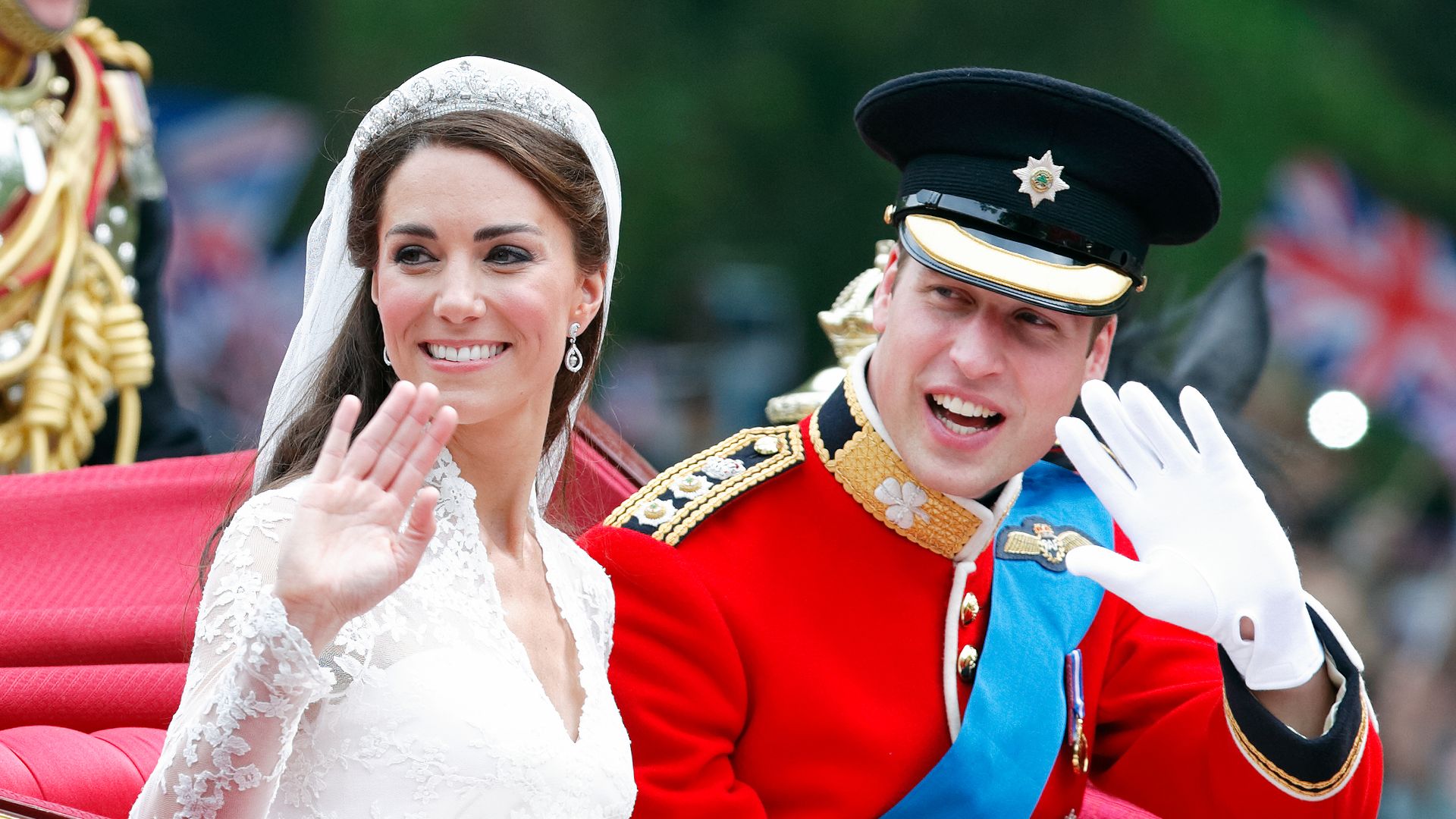
The wedding of Prince William and Princess Kate in 2011 was a momentous occasion, celebrated not only for its grandeur but also for the meaningful gestures that accompanied it. One such gesture was the planting of trees at Westminster Abbey, which would later become a symbol of their union and a connection to the legacy of King Charles.
Before their nuptials, the royal couple chose to line the aisle at Westminster Abbey with six English field maples and two hornbeam trees. These trees, which stood between 20 to 25 feet tall, were a striking addition to the historic venue. After the ceremony, which was viewed by an estimated 24.5 million people in the UK and millions more globally, the trees were carefully removed and transported to Llwynywermod, the former home of King Charles.
Over the years, these trees have thrived, growing significantly and becoming a prominent feature of the landscape. They now tower over a topiaried parterre-style garden, once just a hedge, creating a beautiful and serene setting. But the decision to replant them was not just about beautifying the property—it carried deeper significance.
A Symbolic Gesture
Rachel Avery, Homes Editor at HELLO!, explains that the choice of Llwynywermod as the new home for the trees was intentional. "It seems very intentional that Prince William and his wife Kate would choose King Charles' home, Llwynywermod, to replant the trees, because His Majesty is well known for his love of the environment," she says. "But also, it's a lovely symbol of their marriage—a new beginning set to grow stronger each year."
The selection of trees also reflected the couple’s values and the symbolism of their union. The English field maples, native to Britain, were chosen by the royal wedding’s floral artistic director, Shane Connolly. He explained that the trees were meant to reflect the medieval ethos of Westminster Abbey.
"Field maples symbolise reserve and humility," Connolly said. "Hornbeams represent resilience in the language of flowers, so we hope that the couple's life is full of resilience and full of strong love."
Connolly also emphasized the importance of using local and seasonal elements in the floral arrangements. "The theme is that everything is from the estates, that everything is English, that everything is seasonal, and all along Catherine has asked that it's just all neutral color-wise," he added.
A Connection to the Past
The trees planted at Llwynywermod are more than just a decorative feature—they serve as a living reminder of the royal couple’s commitment to one another and their connection to the natural world. Their presence also highlights the enduring relationship between William, Kate, and King Charles, who has long been a champion of environmental causes.
However, Llwynywermod is no longer the King’s home. In 2023, Charles sold the property, as reported by The Telegraph. While he remains passionate about Wales, it is unlikely that he will use the home in the same way as before. Despite this change, the trees continue to stand as a testament to the past and a symbol of growth for the future.
A Legacy That Grows
As the trees continue to flourish, they serve as a reminder of the lasting impact of thoughtful gestures. For William and Kate, the act of replanting the trees was not just a tribute to their wedding day, but a meaningful step in honoring the legacy of King Charles and the values they hold dear.
Their story, like the trees they planted, continues to grow—rooted in tradition, strengthened by love, and nurtured by the passage of time.

Posting Komentar untuk "William and Kate's Resilient Return to Abandoned Welsh Home"
Posting Komentar