
China Accuses Nvidia of Antitrust Violations
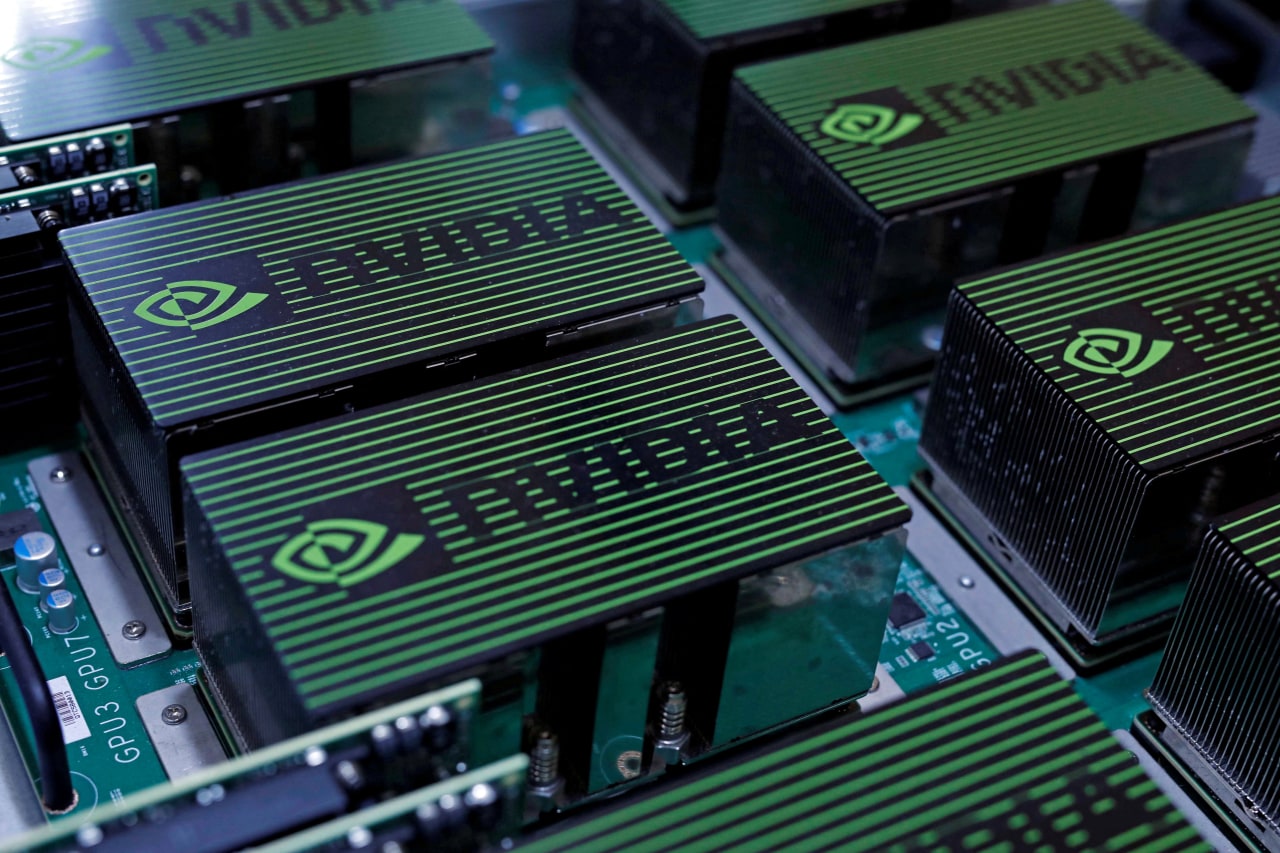
China Investigates Nvidia for Alleged Antitrust Violations
China has initiated an investigation into Nvidia, a leading American technology company, alleging that it violated the country’s antimonopoly laws. This development adds another layer of complexity to the ongoing U.S.-China trade negotiations, which recently concluded. The Chinese antitrust regulator cited the violations in relation to Nvidia's acquisition of an Israeli company, Mellanox Technologies, which was finalized in 2020. While the investigation is still ongoing, no specific details about the preliminary findings or potential penalties have been disclosed.
The deal was initially approved by Beijing after Nvidia committed to ensuring the supply of its chips to the Chinese market. However, since 2022, the U.S. government has imposed restrictions on the sale of high-performance artificial intelligence chips to China. These measures have significantly impacted the operations of American chip manufacturers, including Nvidia.
Nvidia has stated that it is complying with all applicable Chinese laws and regulations. A company representative emphasized that they will continue to cooperate with relevant government agencies as they assess the effects of export controls on market competition.
This move by China occurred just before Treasury Secretary Scott Bessent announced that U.S. and Chinese negotiators had reached a framework agreement regarding TikTok. The two sides were under pressure to finalize a deal by a specific deadline to ensure the app could continue operating in the United States.
Nvidia’s stock experienced a slight decline during midday trading, reflecting investor concerns over the situation. The company has become a focal point in the broader trade dispute between the world’s two largest economies. Its advanced chips are crucial for developing cutting-edge artificial intelligence systems.
In December, China’s State Administration for Market Regulation launched an investigation into Nvidia’s $7 billion acquisition of Mellanox Technologies. Shortly after, the Biden administration increased restrictions on China’s access to high-end chips. Antitrust experts noted that Nvidia faces a difficult position, as it must comply with U.S. export controls while also addressing concerns from Chinese regulators.
Chinese regulators argued that Nvidia failed to uphold its commitment to provide an uninterrupted supply of chips to China and to treat local customers fairly. In July, President Trump allowed Nvidia to resume sales of its H20 chip, which is used for AI inference. However, following this decision, Beijing raised concerns about potential cybersecurity risks and halted purchases until regulatory approval was obtained.
Nvidia has consistently maintained that its products do not contain remote trackers or other “backdoors.” The company and its Chinese customers are now hoping for approval of a more advanced AI chip, which could become a key topic in future trade discussions.
Despite these challenges, China has not been able to produce chips at the same level as Nvidia’s offerings, largely due to U.S. restrictions on advanced chip-making equipment. However, Chinese companies are making progress in replacing U.S. chips with their own alternatives.
Analysts suggest that China’s actions against Nvidia serve as a signal that it is not willing to make concessions to secure U.S. technology and is moving toward self-sufficiency in artificial intelligence. Feng Chucheng, a partner at Hutong Research, noted that Beijing is sending a clear message that Nvidia is not a bargaining chip for the U.S.
Major Chinese tech companies such as Huawei, Alibaba, and Baidu are increasingly relying on domestically developed chips for their infrastructure. China has also been investing heavily in its domestic chip industry to achieve long-term self-sufficiency. At the same time, Beijing continues to seek access to the latest U.S. and allied technologies to maintain competitiveness in the global tech race.

Posting Komentar untuk "China Accuses Nvidia of Antitrust Violations"
Posting Komentar