
End the Debt Cycle, Unlock Growth
A Historical Perspective on Economic Challenges
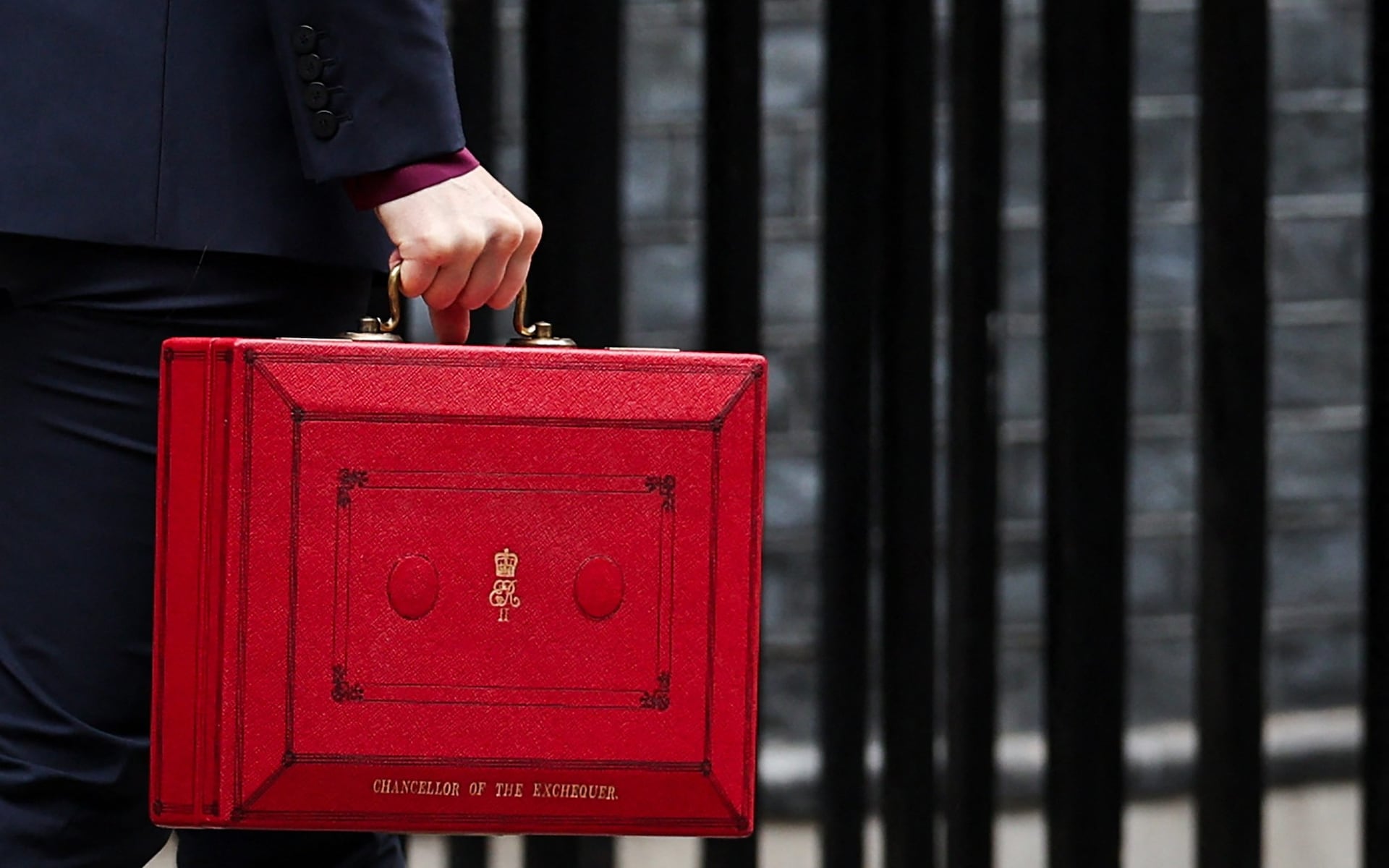
As the Labour conference approaches at the end of this month, it's worth reflecting on past events that shaped the UK's economic landscape. In 1976, Denis Healey, then Chancellor of the Exchequer, faced a critical moment when he had to address the Labour party delegates about seeking a bailout from the International Monetary Fund (IMF). This decision came after he was diverted from Heathrow, where he had planned a trip to the Far East. His challenge was to convince the public that the government remained in control despite the need for austerity measures and internal divisions within the party.
Comparing this situation to the current state of affairs under Keir Starmer and Rachel Reeves seems almost incongruous. However, recent bond-market fluctuations have highlighted the delicate balance the current government is attempting to maintain. Labour initially positioned itself as the party of stability, contrasting with the outgoing Conservatives' mini-Budget. Yet, the lack of actual stability has been attributed to political maneuvering rather than sound economic policy.
The Economics of Borrowing
A key factor in the current economic dilemma is the increase in borrowing. In her Budget, Rachel Reeves significantly raised borrowing by £28 billion annually. While some of this investment in infrastructure may contribute to growth, the overall impact exacerbates the instability in public finances. As the next Budget approaches, the Chancellor is scrambling to mitigate the effects of additional tax increases, but the growing debt should be a greater concern.
Ray Dalio’s book "How Countries Go Broke: The Big Cycle" provides a compelling analysis of the risks associated with rising debt in advanced economies. Although not focused specifically on the UK, the country's financial trajectory aligns with his warnings. At the turn of the century, UK debt stood at 34% of GDP, now nearly 100%. Similar trends are observed in other countries, such as France, where the government has fallen multiple times in recent years, and the US, which is also vulnerable due to its high debt levels.
The Impact of Debt on the Economy
For many years, governments have borrowed to stimulate growth, often successfully avoiding recessions. However, debt remains a liability that must eventually be repaid. With interest rates no longer near zero, the cost of servicing debt has become increasingly burdensome. The Office for Budget Responsibility estimates that interest payments on UK debt will reach £111 billion this year—nearly double the defense budget. For the average household, this translates to £3,900 in tax bills related to debt interest, money that offers little benefit to the economy.
This cycle of debt and low growth creates a self-perpetuating loop. Higher debt leads to lower growth, which in turn increases the debt-to-GDP ratio. If markets believe there is a credible plan to reduce debt, interest rates would be lower. However, the current perception of uncertainty results in higher bond yields, even surpassing those of Greece or Italy.
The Changing Rules of Fiscal Policy
The rules governing fiscal policy have evolved significantly. Previously, governments could make balanced choices between taxation, spending, and borrowing. Now, markets are more skeptical of borrowing, requiring immediate tax increases for any extra spending or spending cuts for tax cuts. This shift complicates decision-making for finance ministers.
To break free from the debt doom-loop, discipline on inflation and public spending is essential. Markets need confidence that the government is not exceeding the economy's capacity. Implementing a third fiscal rule, ensuring public spending does not rise faster than economic growth, could help achieve this.
The Path Forward
Constraining public spending is challenging, especially with ongoing needs in health and defense. However, reforming the welfare system to encourage employment and reduce poverty could yield significant benefits. Returning to a coherent welfare reform strategy, following the summer's U-turn, is crucial. Reducing the working-age welfare bill to pre-pandemic levels could release £47 billion annually over five years.
Welfare reform is politically difficult, but necessary. Without addressing the debt crisis, the UK cannot unlock the growth it desperately needs. A 0.5% reduction in debt costs could add nearly £10 billion in headroom for the Chancellor, reducing the need for harmful tax rises or spending cuts.
The notion that there is a choice between borrowing more or cutting public services is flawed. £111 billion in debt interest is money that could otherwise support the NHS, schools, or the Armed Forces. It stifles growth and increases vulnerability to shocks. Tackling the debt crisis should be the top priority for any chancellor aiming for long-term economic health.

Posting Komentar untuk "End the Debt Cycle, Unlock Growth"
Posting Komentar