
How Houston Eats Leverage AI to Cut Costs and Boost Efficiency
Enhancing Efficiency Through Artificial Intelligence in Houston Restaurants
Artificial intelligence (AI) is making a significant impact on the restaurant industry in Houston, with several local establishments leveraging AI tools to streamline operations and enhance customer service. From fast-casual eateries to upscale dining spots, operators are finding innovative ways to integrate AI into their daily routines. While much of this technology remains behind the scenes, some restaurants are beginning to explore guest-facing applications as well.
Managing Food Costs with AI
One of the key areas where AI is proving beneficial is in managing food costs. The economics of running a restaurant can be quite challenging, and implementing the right AI solutions can make a big difference. Emily Knight, president of the Texas Restaurant Association, emphasizes that embracing AI for enhancing guest experiences or automating non-hospitality tasks is essential for the future of the industry.
Tony Mistry, owner of BnX Burgers, has been an early adopter of AI tools like ChatGPT. He found that using the tool helped streamline various administrative tasks such as scheduling shifts and bookkeeping. By uploading past schedules and inputting employee availability, Mistry can generate updated shifts in minutes, significantly reducing the time and cost associated with traditional methods.
In addition to scheduling, Mistry is training ChatGPT to handle bookkeeping. By providing bank statements, the tool generates profit-and-loss reports, balance sheets, and cash flow statements. While he still reviews these reports for accuracy, the process is faster and more cost-effective than relying solely on accountants. Reports that once took at least 15 days now arrive in minutes, offering a substantial improvement in efficiency.
Mistry has also used AI to design the menu for BnX Burgers, highlighting the company's commitment to technological innovation. "AI can handle so many aspects of the business. It's worth the investment, at least right now," he said.
Forecasting Sales with AI Tools
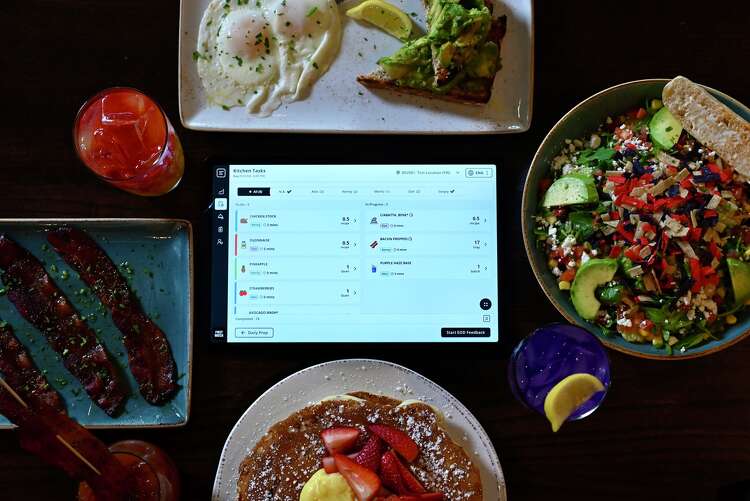
Another area where AI is making an impact is sales forecasting. Companies like PreciTaste are developing tools specifically designed to help restaurants predict their prep portions and costs. Mac Haik Restaurant Group, which owns several popular chains, is using Prep Assistant from PreciTaste to manage inventory and reduce waste.
This tool predicts how much food a restaurant will need each day and creates a prep list that minimizes waste. It even factors in weather and other events that might affect customer traffic. Training that once took managers six months on the old inventory system now takes about a week with Prep Assistant. This shift has boosted sales and increased employee earnings through tips, according to Chief Operating Officer Dan Anfinson.
The company has seen at least a 50% reduction in food waste for two consecutive fiscal periods. First Watch manager Araceli Salgado noted that the system has been more accurate for what they need to prep, reducing the need to throw out over-prepped batches of items. "It's helping with training, knowledge, and the quality of both the food and production," she said.
AI Voice Technology in Hospitality
AI is also being used to improve customer service through voice technology. Pincho, a Houston-based restaurant, began using AI in its location last year to handle phone calls, freeing up front-of-house staff during busy shifts. The system can answer an unlimited number of calls, leading to a 10-11% increase in phone sales. Customers are even leaving tips on these orders, boosting staff earnings.
"The team thinks it's incredible because the phone doesn't ring as often, and they can really focus on the guest that's standing in front of them," said founder and CEO Otto Othman. He emphasized that the key with AI for any hospitality brand is ensuring it extends hospitality to guests.
Quick-service restaurants have been the earliest adopters of AI, but full-service restaurants are catching up. Brazilian steakhouse Texas de Brazil and Sixty Vines now use Slang AI to answer phones and book reservations. According to Slang AI data, 20% of reservations are made outside normal business hours, and with AI, those reservations are no longer missed.
Embracing AI for the Future
While not every critical function of a restaurant needs AI, the key is to identify the functions that require automated support and test them starting small. As the restaurant industry continues to evolve, embracing AI can lead to greater efficiency, reduced waste, and enhanced customer satisfaction. With ongoing advancements in AI technology, Houston restaurants are well-positioned to lead the way in this transformative trend.

Posting Komentar untuk "How Houston Eats Leverage AI to Cut Costs and Boost Efficiency"
Posting Komentar