
How Schneider Electric is Conquering the AI Energy Challenge
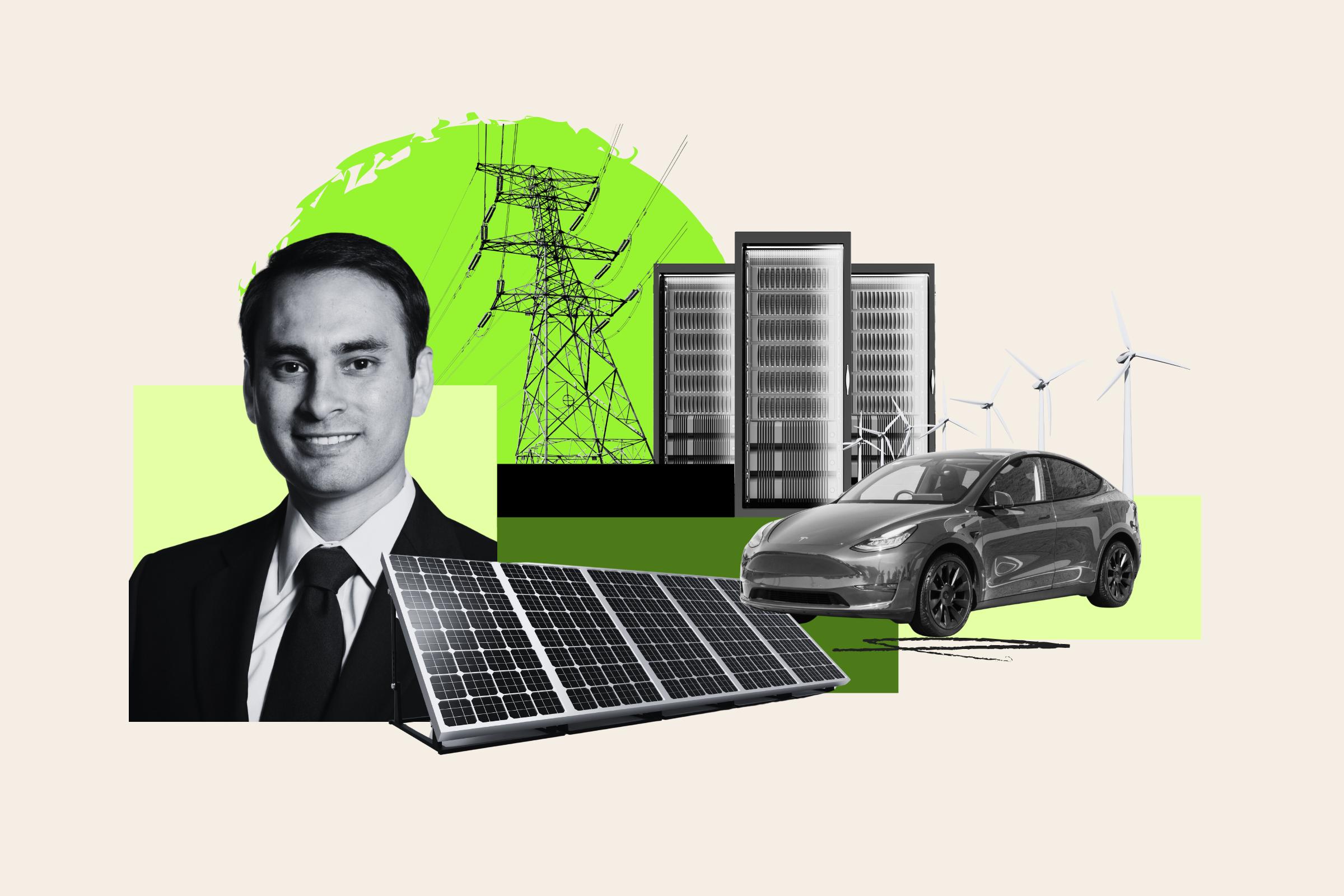
The Growing Challenge of Meeting America's Power Demand
A recent report from a global technology company highlights significant concerns about the future of America's electric grid if immediate action is not taken to address the rising demand for electricity. According to the analysis, electricity demand is expected to increase by 16 percent over the next four years, marking the fastest growth in power demand since World War II. This surge in demand poses serious challenges for grid stability and reliability.
The report indicates that nearly half of the country’s regionally managed grid systems could face electricity shortages during peak demand periods. This situation could lead to blackouts and higher energy prices, which would have far-reaching consequences for consumers and businesses alike.
One of the key factors driving this increased demand is the growing use of artificial intelligence (AI). Ruben Llanes, CEO of Digital Grid at Schneider Electric, explained that AI workloads are significantly influencing the trajectory of power demand. He noted that discussions with utility companies now frequently include data centers as a central topic.
Schneider Electric, a Paris-based company specializing in energy management technology, plays a crucial role in making industries, data centers, buildings, and homes more efficient and sustainable. The company will be participating in the "Powering Ahead" event during Climate Week NYC, an event focused on energy and environmental issues.
Llanes emphasized that grid managers are already dealing with disruptions caused by severe weather events and the increasing demand for electricity for homes, industries, and electric vehicle charging. Now, they must also prepare for the addition of new AI data centers that could require gigawatts of power to train advanced AI models.
Meeting this demand requires a smarter grid system that can optimize existing infrastructure rather than simply relying on traditional methods. Digital grid services offer potential solutions by improving efficiency and reducing strain on the grid.
Addressing the Challenges of Data Center Growth
In an interview, Llanes discussed the findings of the report, highlighting the staggering increase in electricity demand from data centers. He pointed out that projections indicate a tripling of electricity usage between 2020 and 2040, compared to the previous 50 years. Data centers alone are expected to account for 20 to 50 percent of this increase.
Even at the lower end of this range, the impact on power providers is significant. Llanes noted that utilities are exploring various solutions, including upgrading existing infrastructure and leveraging digital technologies to optimize assets. These digital solutions help manage peak loads and make better use of underutilized capacity.
One approach involves using demand response strategies and working with data centers as interactive entities. This allows for more efficient energy management and helps reduce the overall demand on the grid.
The Role of Distributed Energy Resources
A major risk associated with the rapid growth of data center demand is the potential for reduced grid reliability and increased costs for other users. However, Llanes highlighted the potential of distributed energy resources (DERs) to mitigate these risks. DERs allow for decentralized energy generation and distribution, reducing the need for centralized power plants.
This shift enables bidirectional energy flow, where energy can be both generated and consumed locally. This flexibility offers opportunities to address growing demand while maintaining grid stability.
Practical Solutions for the Future
Llanes explained that a combination of approaches is needed to meet the growing demand. This includes on-site generation for data centers, integrating renewable energy sources, and utilizing storage solutions to smooth out intermittent generation. Software tools also play a critical role in managing these complex systems.
Utilities like PG&E on the West Coast are working with Schneider Electric to develop innovative solutions. The company has also joined initiatives such as the Electric Power Research Institute's DC Flex Initiative, collaborating with industry leaders like NVIDIA and Meta.
A Collaborative Approach
Llanes emphasized that no single solution will address the challenges posed by the growing demand for electricity. Instead, a collaborative ecosystem involving hyperscalers, utilities, and technology providers is essential. He described this effort as a "team sport," requiring multiple players to create sustainable and reliable energy solutions.
As the demand for electricity continues to rise, the need for innovative and coordinated approaches becomes increasingly urgent. By leveraging digital technologies and distributed energy resources, the grid can adapt to meet the needs of a rapidly evolving energy landscape.

Posting Komentar untuk "How Schneider Electric is Conquering the AI Energy Challenge"
Posting Komentar