
Mexican Watchdog: Amazon and Mercado Libre Restrict Seller Competition
Mexico's E-Commerce Market Faces Scrutiny Over Seller Mobility Concerns
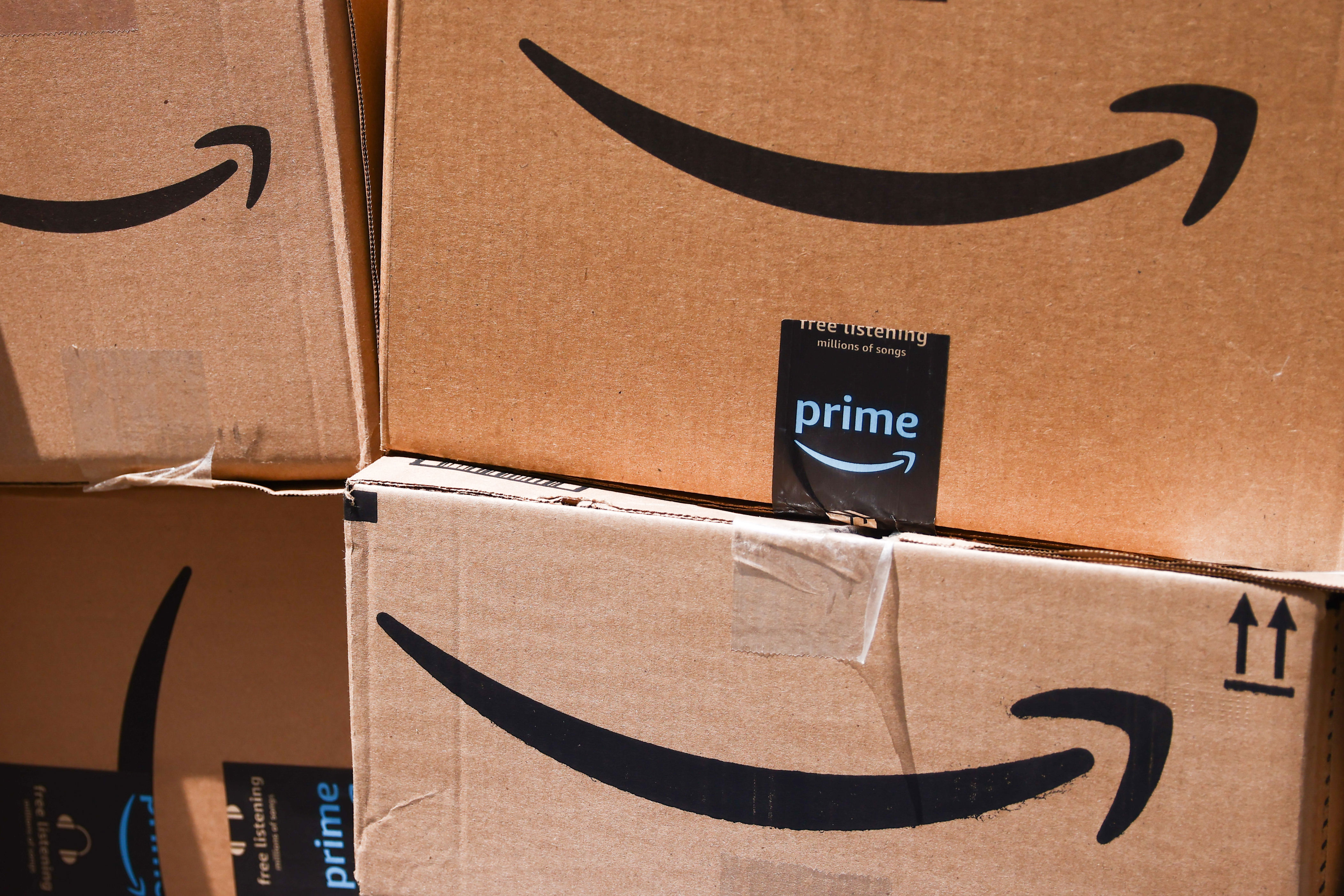
Mexico's Federal Economic Competition Commission (COFECE) has raised concerns about the practices of two major e-commerce platforms, Amazon and Mercado Libre. According to COFECE, these companies collectively control 85% of the seller market in Mexico, and their business strategies may be creating obstacles for sellers looking to move between platforms.
The commission highlighted that both companies do not provide enough transparency regarding how featured offers are selected. Additionally, they are accused of giving preferential treatment to sellers who use their own logistics services. These actions, according to COFECE, could limit sellers' ability to compete fairly and reduce the possibility of them switching platforms to sell their goods.
Despite acknowledging the existence of such barriers, COFECE has not yet issued any formal disciplinary measures against either company. The commission stated that it lacks consensus on what corrective actions should be taken at this time.
Amazon Mexico’s associate general counsel and head of legal, Fernanda Ramo, welcomed COFECE’s decision not to impose remedies. She stated that the decision reflects the competitiveness of Mexico’s retail landscape and the absence of barriers to competition. Ramo emphasized Amazon's commitment to serving customers and supporting businesses of all sizes.
COFECE aims to foster a more dynamic e-commerce market, where both buyers and sellers can benefit from increased competition and innovation.
In February, COFECE released a preliminary report on e-commerce competition, which found that Amazon and Mercado Libre dominate the space due to certain practices. The report suggested that both companies should increase transparency around their featured offers or Buy Box functions. It also recommended that they separate the services offered through their loyalty programs—Prime and Meli+—and allow sellers to use third-party logistics providers without unfair penalties or favoritism toward those using the companies’ own logistics services.
The report was open for public comment, generating mixed opinions on whether the companies should face sanctions. The Computer & Communications Industry Association (CCIA) argued that the focus should not be solely on Amazon and Mercado Libre, as the report did not consider traditional retail.
Krisztian Katona, vice president of global competition and regulatory policy for the trade group, supported COFECE’s decision to avoid formal sanctions. He stated that the final report correctly focused on protecting consumers from anticompetitive practices rather than imposing misguided remedies. Katona warned that the previously proposed measures could harm consumers and protect large traditional retailers while ignoring the competitive dynamics between e-commerce platforms and physical stores.
Mercado Libre did not respond to requests for comment from Sourcing Journal.
Key Takeaways from the Report
- Market Dominance: Amazon and Mercado Libre hold significant market shares in Mexico’s e-commerce sector.
- Transparency Issues: Both platforms lack sufficient clarity on how featured offers are chosen.
- Logistics Favoritism: Sellers using the companies’ own logistics services receive preferential treatment.
- No Immediate Sanctions: COFECE has not imposed formal penalties, citing a lack of consensus.
- Public Reaction: Mixed responses were received during the public comment period, with some advocating for broader scrutiny.
As the e-commerce landscape continues to evolve, the role of regulatory bodies like COFECE becomes increasingly important in ensuring fair competition and protecting both consumers and sellers. The ongoing debate highlights the need for balanced approaches that encourage innovation while preventing anti-competitive practices.

Posting Komentar untuk "Mexican Watchdog: Amazon and Mercado Libre Restrict Seller Competition"
Posting Komentar