
OpenAI Board Chair Backs Altman's AI Bubble Warning: 'Many Will Lose Money'
The AI Bubble: A Double-Edged Sword
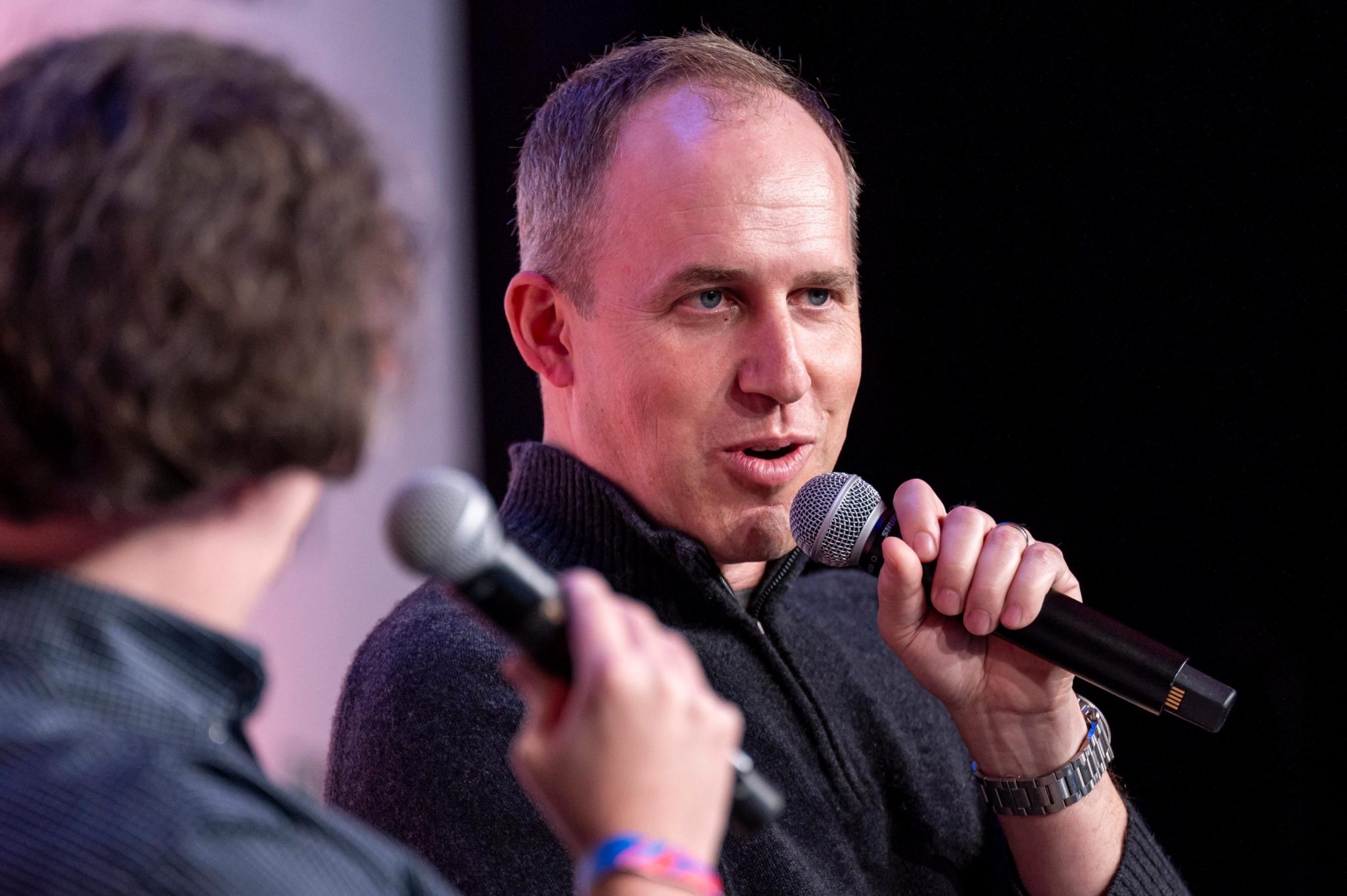
Bret Taylor, the chairman of OpenAI, acknowledges the potential consequences of a tech bubble but believes that the current AI boom isn't entirely negative. As the former CTO of Facebook and CEO of Sierra, an AI business platform, he shares the perspective of OpenAI’s CEO, Sam Altman, that we are currently in an AI bubble. However, Taylor emphasizes that this situation is not without its benefits.
In the latest episode of The Verge’s “Decoder” podcast, Taylor stated, “It is both true that AI will transform the economy, and I think it will, like the internet, create huge amounts of economic value in the future.” He also acknowledged that we are in a bubble, with many people likely to lose significant amounts of money. “I think both are absolutely true at the same time, and there’s a lot of historical precedent for both of those things being true at the same time.”
Altman echoed these sentiments during a dinner for journalists, warning that while some individuals will suffer substantial financial losses, others will make considerable profits. This sentiment is shared by industry leaders and economists who caution that the rapid rise of AI has led to overhype and inflated valuations, with potentially severe financial repercussions.
Historical Precedents and Economic Impacts
The warnings from Taylor and Altman align with concerns raised by other industry figures. Apollo Global Management's chief economist, Torsten Sløk, noted in July that the top 10 companies in the S&P 500 are more overvalued today than they were during the dotcom era 25 years ago. Similarly, Alibaba’s chair, Joseph Tsai, and C3.ai CEO Tom Siebel have warned about the emergence of an AI bubble.
The fallout from the dotcom bubble burst in 2000 was significant. The NASDAQ peaked at 5,048 units in March before plummeting to 1,139.90 units in October, a 77% drop. By 2002, the downturn had wiped out approximately $5 trillion in market capitalizations.
Lessons from the Dotcom Era
Taylor highlights the importance of examining the big winners from the dotcom era when assessing the impact of a bubble burst on the tech industry. He draws parallels between the internet bubble and the current AI boom, noting that even though many companies were overhyped, some proved to be justified.
Famous examples include Pets.com, a pet-supplies retailer that went bankrupt prioritizing rapid growth, and Webvan, a grocery-delivery company that filed for bankruptcy in July 2001. However, the dotcom bust also produced successful companies such as Amazon and Google. Amazon’s share price has grown nearly 15,000% since October 2000, while Google, which was not publicly traded in 2000, has reached a market cap of over $2.9 trillion.
Even failed companies like Webvan made an impact on the tech industry, paving the way for later successes like Instacart and DoorDash. Taylor argues that the internet's influence on the global economy is undeniable, stating, “One could argue that all the people in 1999 were kind of right. It was as impactful on pretty much every measure.”
Winners and Losers in the AI Boom
Taylor suggests that there will be winners in the AI boom, although it is challenging to predict their exact forms. He points to fiber companies, many of which went under during the dotcom bust, but contributed to improving data speeds. Global Crossing, which had a value of $55 billion in its heyday, went bankrupt in 2002 after failing to attract enough customers.
“Because of the amount of economic opportunity, you just end up with a ton of investors, and some companies will fail and some will succeed,” Taylor said. He added that the infrastructure built during the early days of the internet, such as fiber, eventually found use through subsequent entities.
While Taylor did not respond to requests for comment, his insights underscore the complex nature of the AI bubble, where both risks and opportunities coexist.

Posting Komentar untuk "OpenAI Board Chair Backs Altman's AI Bubble Warning: 'Many Will Lose Money'"
Posting Komentar