
Shipping firms back historic global carbon fee, opposed by Trump officials
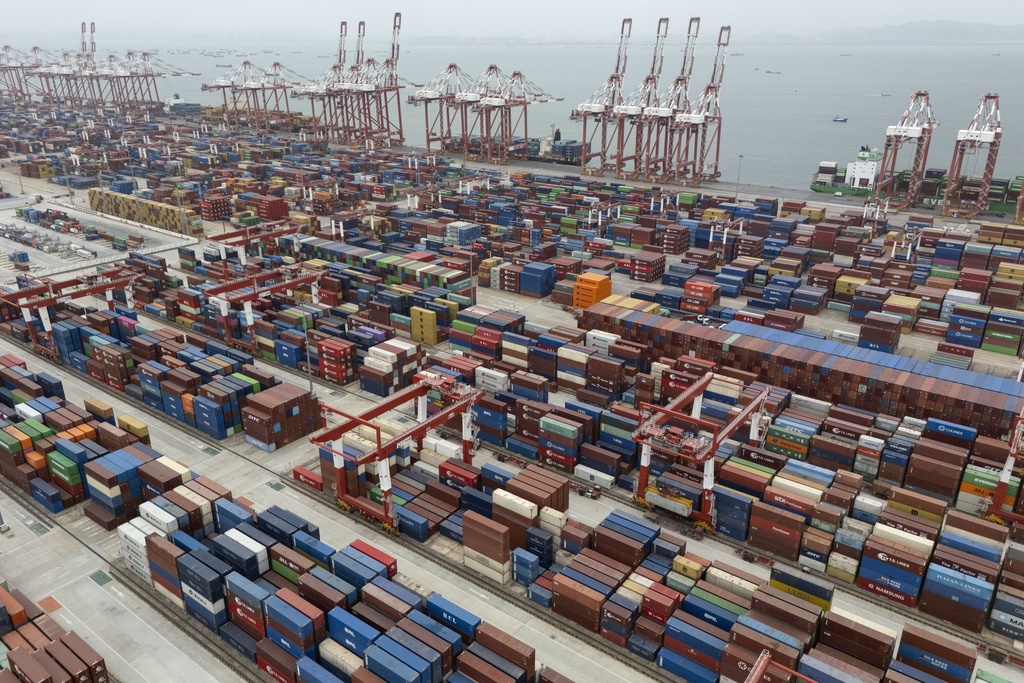
Global Shipping Companies Push for First-Ever Greenhouse Gas Fee
Over 200 shipping companies have expressed strong support for a proposed global fee on greenhouse gas emissions, aiming to reduce the environmental impact of the maritime sector. This initiative is being championed by the Getting to Zero Coalition, an alliance that includes companies, governments, and international organizations. The coalition is urging member states of the International Maritime Organization (IMO) to adopt these regulations during their upcoming meeting in London.
Jesse Fahnestock, who leads decarbonization efforts at the Global Maritime Forum, emphasized the importance of industry voices in advocating for this transition to green shipping. The forum oversees the Getting to Zero Coalition, which aims to foster sustainable practices within the shipping industry.
The U.S. government has taken a firm stance against the proposal, with the Trump administration rejecting it outright. The State Department has warned that if nations support the regulation, the U.S. may impose retaliatory measures, such as tariffs, visa restrictions, and port levies. This could potentially lead to a significant conflict over the climate deal.
In a joint statement, U.S. Secretaries of State, Commerce, Energy, and Transportation criticized the proposed framework, calling it a "global carbon tax" imposed by an unaccountable U.N. organization. Despite this, some U.S.-based shipping companies have endorsed the proposal. The Chamber of Shipping of America supports a single global system rather than multiple regional systems that might result in double charging vessels based on their routes.
Over the past decade, shipping emissions have risen to approximately 3% of the global total. As ships have grown larger, they have become more efficient per trip but still rely heavily on fossil fuels. The IMO has set a target for the sector to achieve net-zero greenhouse gas emissions by around 2050, and has committed to promoting the use of zero or near-zero emission fuels.
In April, IMO member states agreed on a regulatory framework that would impose a minimum fee for every ton of greenhouse gases emitted by ships above certain thresholds. They also established a marine fuel standard to phase in cleaner fuels. While the IMO typically seeks consensus, this decision required a vote, and the U.S. was notably absent. However, the U.S. will send a delegation to the London meeting.
Nations now face a critical decision on whether the regulations will take effect in 2027. If approved, the rules will be mandatory for large oceangoing ships over 5,000 gross tonnage, which account for 85% of the total carbon emissions from international shipping, according to the IMO.
Delaine McCullough, president of the Clean Shipping Coalition and director of the Ocean Conservancy shipping program, warned that without agreement, the decarbonization of the shipping sector will be further delayed. She stated that the chance of the sector playing a proper role in combating global heating will likely be lost.
The U.S. secretaries argued that the proposed fuel standards and emissions targets are "unattainable," leading to increased costs for ships. They also claimed that the standards would benefit China, which is a leader in developing and producing cleaner fuels for shipping.
Despite U.S. opposition, many countries appear to support the regulations. Faig Abbasov from Transport and Environment, a Brussels-based environmental NGO, noted that while the April agreement was not ambitious enough, it presents an opportunity to launch the sector’s decarbonization and can be strengthened.
Shipping companies advocate for the regulations because they provide the certainty needed to invest in cleaner technologies, such as alternative fuels and ships designed to run on them. In addition to the Getting to Zero Coalition, the International Chamber of Shipping, representing over 80% of the world's merchant fleet, is pushing for the adoption of the regulations during the upcoming IMO meeting in London.

Posting Komentar untuk "Shipping firms back historic global carbon fee, opposed by Trump officials"
Posting Komentar