
Why Is the Former Lex Courthouse Worth Just $2.8 Million Now?
Understanding the Discrepancy in Property Valuation
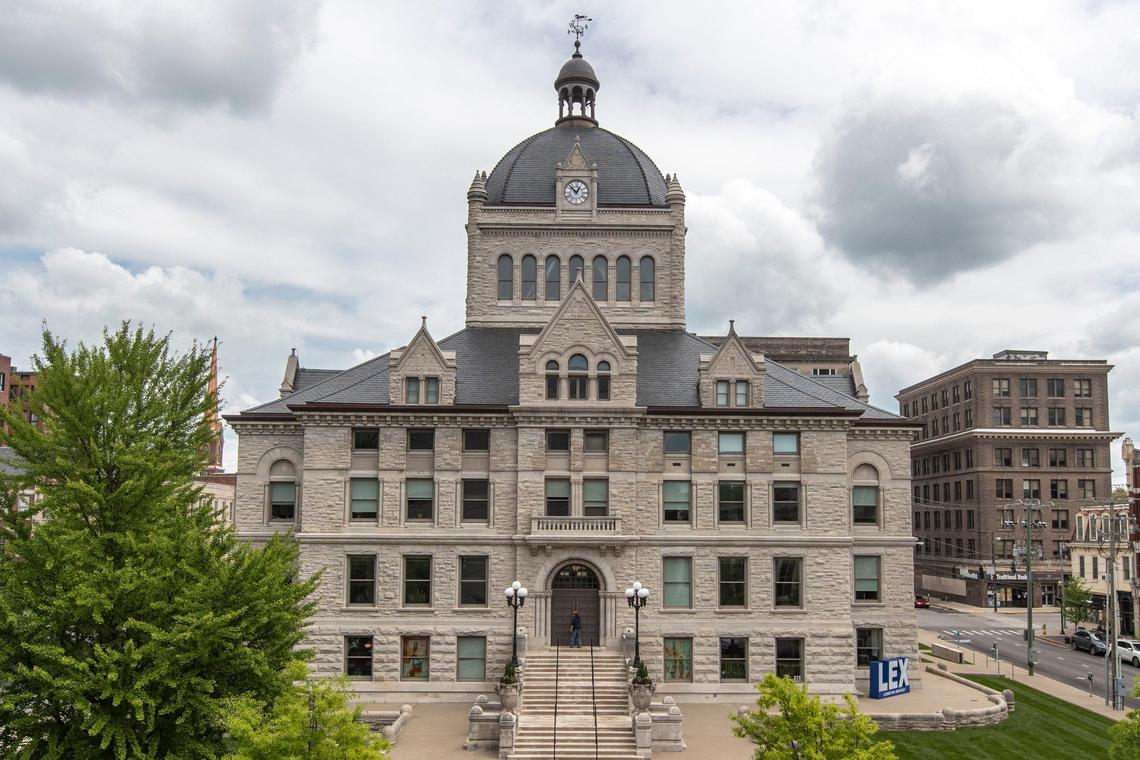
In recent years, the former Fayette County courthouse has become a focal point for discussions about property valuation and financial transparency. Originally opened as a multi-use building in 2018, it was celebrated for its historic preservation efforts and modernization. The project cost over $32 million, with $22 million coming from the city and the remaining funds sourced through federal and state historic tax credits.
Despite this substantial investment, property value assessments of the building have remained significantly lower than its actual construction costs. According to records from the Fayette County Property Value Administration (PVA), the property is assessed at $2.78 million, a figure that has remained consistent since 2022. This assessment contrasts sharply with the $30 million valuation provided by Historic Courthouse LLLP, the limited liability limited partnership responsible for managing the building.
The discrepancy raises important questions about how property values are determined and who is accountable for these assessments. The PVA typically evaluates commercial properties based on their rental income, a method that aligns with industry standards. However, the unique nature of the former courthouse—housing a mix of businesses and event spaces—makes it difficult to compare directly with other commercial properties.
Financial Transparency and Legal Challenges
Historic Courthouse LLLP has maintained that it is a private entity and not subject to the state’s Open Records Act. However, the Herald-Leader obtained the group’s financial records through a Kentucky Open Records Act request after a legal battle in 2019. The group eventually provided the records voluntarily in August, shedding light on its financial operations.
Wes Holbrook, director of revenue for the city and overseeing the finances of Historic Courthouse LLLP, explained that an appraisal by Valbridge, a Louisville-based property adviser, valued the building at $3.2 million. This assessment was conducted when Old National Bank, which had held the tax credits, exited the partnership. The report used rental income as a key factor in determining the valuation, a common practice for commercial properties.
David O’Neill, Fayette County PVA, noted that while most commercial buildings are assessed based on rental income, the courthouse’s unique status complicates comparisons. He also mentioned that the city had provided information on the courthouse’s rents when it was first placed on the tax rolls, a standard practice for renovated commercial buildings.
O’Neill emphasized that government agencies do not pay property taxes, and since the LLLP is wholly owned by the local government, a strong case could be made for tax exemption. However, he plans to send the data to the state department of revenue to ensure the assessment is accurate.
Comparing the Former Courthouse to Other Downtown Buildings
A review of nearby historic buildings reveals similar valuation challenges. For example, the 21C Museum Hotel, located just a few blocks away, is assessed at $13.9 million despite being significantly larger in size. The hotel’s higher valuation reflects its ability to generate more income due to its larger rentable space.
Similarly, the Security Trust Building, another historic structure, has a PVA value of $5 million and spans 76,363 square feet. Its owner, David Kloiber, challenged his assessment using rental income data, a process that is not uncommon for property owners seeking fair valuations.
Revenue and Operating Expenses
The former courthouse generates revenue primarily through rents. In 2023, Historic Courthouse LLLP reported total income of approximately $572,899, with expenses totaling around $520,000. This left a net income of $52,810 for the year. Any surplus funds are reinvested into the operating budget or reserves, with no direct financial support from the city for operational costs.
This model differs from other city-funded projects, such as the Lyric Theatre on East Third Street, which continues to receive annual operating support from the city. In contrast, the former courthouse operates independently without direct city funding.
Governance and Accountability
The board of Historic Courthouse LLLP includes community members, city officials, and former city officials. However, the group does not provide annual financial reports to the Lexington-Fayette Urban County Council, raising concerns about transparency and accountability.
As the debate over property valuation continues, the former courthouse remains a symbol of both historical preservation and financial complexity. Its unique blend of public and private interests highlights the need for clear guidelines and oversight in managing historic properties.

Posting Komentar untuk "Why Is the Former Lex Courthouse Worth Just $2.8 Million Now?"
Posting Komentar