
3 Game-Changing Technologies Reshaping Fashion
Innovations Shaping the Future of the Apparel Industry
The apparel industry is continuously evolving, driven by a need for innovation and sustainability. While many groundbreaking ideas take time to gain traction, several forward-thinking companies are now leading the charge in transforming the fashion landscape. These companies are not only meeting the demands of the market but also introducing solutions that address previously unmet needs.
Baytech Sustainable Technologies: Redefining Denim Sustainability
At the forefront of sustainable denim innovation is Baytech Sustainable Technologies. Thomas Leary, global sales director and business partner at Baytech, emphasizes the importance of creating products that are both desirable and environmentally responsible. For denim, this means achieving authentic washes and abrasive looks without compromising on durability.
Baytech’s solution is its family of sustainable denim washing stones called Hand Made Stone (HMS). According to Leary, HMS offers the same authentic look and feel as traditional pumice stones but with significant environmental benefits. Made from recycled pumice dust and organic polymers, HMS requires 20% less water per load and eliminates the need for frequent stone changes. Additionally, there is no toxic sludge produced during the process.
Leary highlights that design, aesthetics, innovation, and sustainability can coexist in a harmonious ecosystem. This balance is evident in HMS, which has proven to be commercially viable. Baytech has become an official vendor for major brands like Levi Strauss & Co. and Kontoor Brands, and is currently in discussions with other industry leaders such as Inditex and H&M Group.
The journey of HMS began with word of mouth among denim mills, where its effectiveness was quickly recognized. Leary notes that the denim industry is a tightly knit community, and suppliers value feedback from peers, making it easier for innovative solutions to gain acceptance.
Gozen: Growing the Future of Textiles
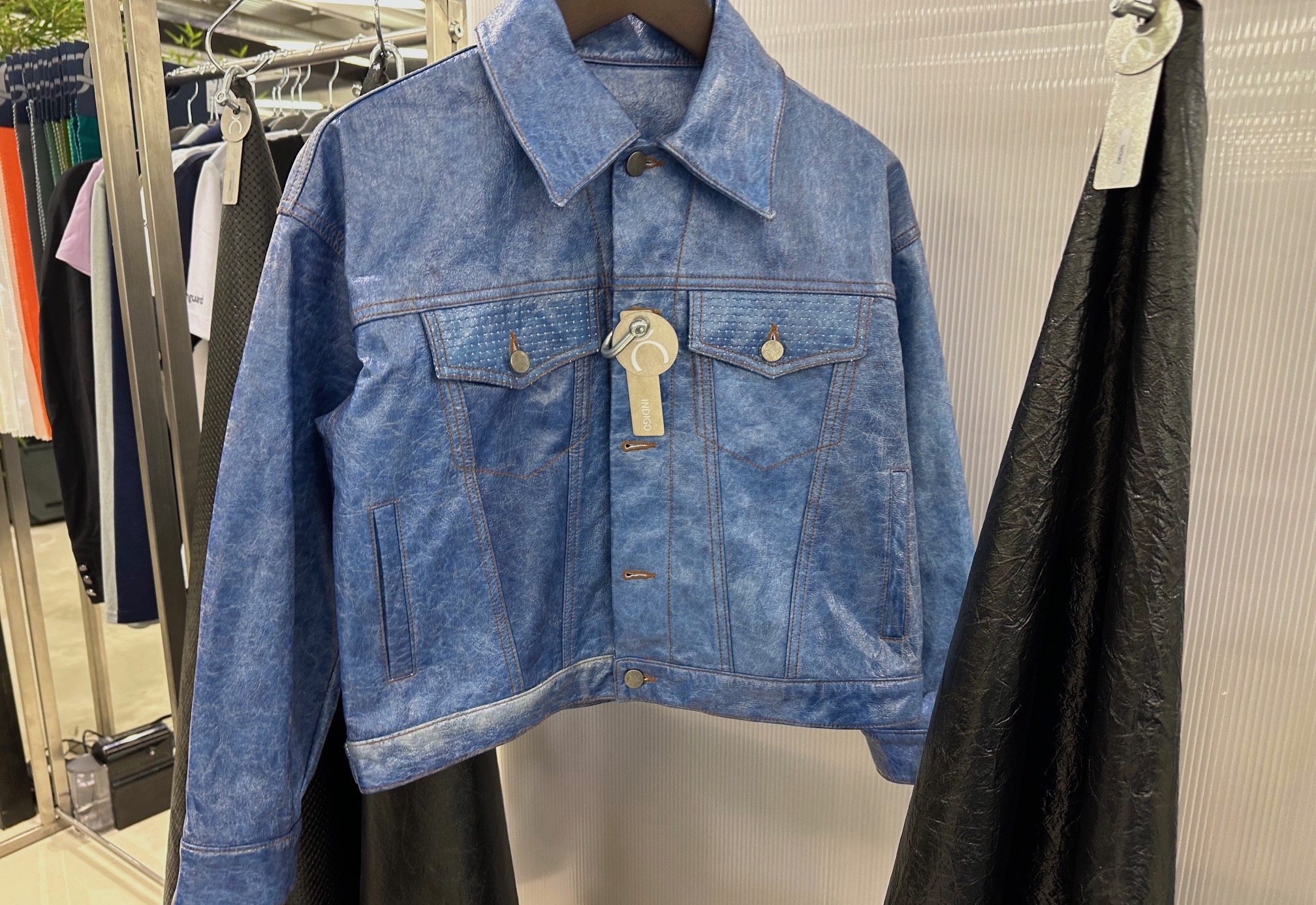
Gozen is reimagining the way materials are created through its biofabricated material, Lunaform. This cellulosic textile, grown under controlled fermentation, mimics the structure of lettuce and can be produced in just seven days—far faster than traditional cotton or animal-based materials.
Sedef Uncu Akı, CEO of Gozen, describes Lunaform as a new category of biofabricated cellulose that is driving a "system change" in the industry. The company has a design studio focused on bridging the gap between the material and the final product, helping brands visualize how they can use Lunaform effectively.
Lunaform comes in three versions: opaque, transparent, and indigo, allowing brands to customize color, thickness, and texture. Its debut in a Balenciaga robe coat last year marked a milestone for the material, though Uncu Akı aims to expand its reach to the mass market.
She envisions Lunaform being used across various industries, including technology, automotive, interior design, sportswear, and accessories. Gozen's goal is to scale production and make Lunaform accessible for widespread use, ultimately creating a new material category.
Coloro: Revolutionizing Color Selection
Coloro is changing the way companies approach color selection. Thorsten Traugott, managing director of Coloro, notes that the traditional method of working with color is outdated. Most teams treat color libraries as mere books of swatches, often leading to inefficiencies and costly mistakes.
Coloro addresses these challenges by offering a structured color process based on color science. By identifying colors using hue, lightness, and chroma, the company enables design teams to select the right shades more efficiently. This system not only improves accuracy but also enhances sustainability by reducing waste and costs.
Coloro’s R&D lab and dyeing facilities allow for testing new materials and dyes, ensuring flexibility and customization for brands. Traugott emphasizes that Coloro remains independent, avoiding exclusivity with any dye companies to provide the best possible solutions.
Active and outdoor brands have been early adopters of Coloro, as these sectors are generally more open to innovation. Traugott notes that these brands benefit from faster decision-making and cost savings, paving the way for broader adoption in the fashion and retail industries.
Conclusion
As the apparel industry continues to evolve, companies like Baytech, Gozen, and Coloro are setting new standards for sustainability, innovation, and efficiency. Their contributions highlight the potential for transformative change and offer a glimpse into the future of fashion.

Posting Komentar untuk "3 Game-Changing Technologies Reshaping Fashion"
Posting Komentar