
Can Women 'Have It All'? A Working Mom and Economist Exposes the Truth (Exclusive)
The Struggle of Working Mothers and the Need for Change
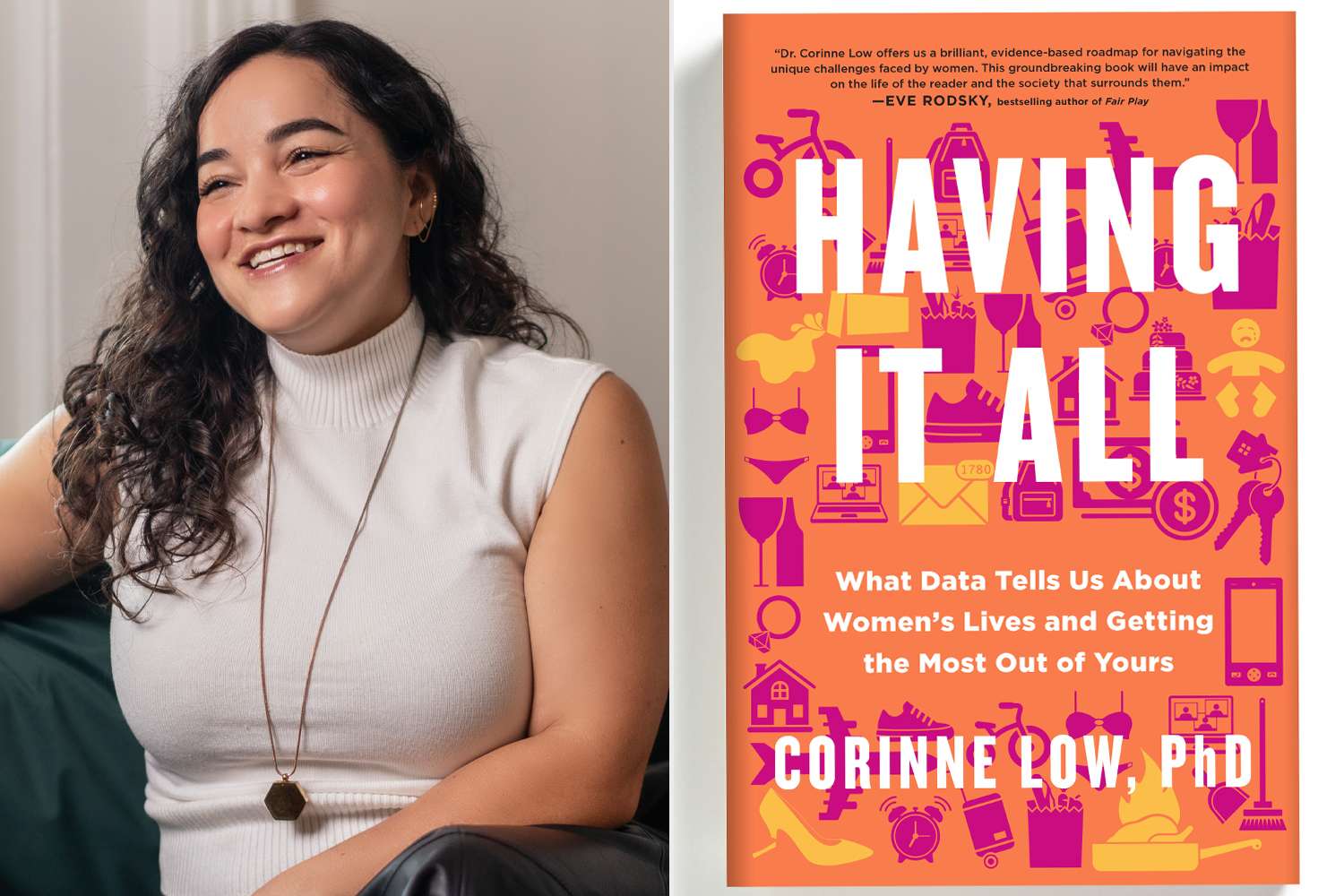
Corinne Low, a professor at Wharton and an economist, has spent years studying the challenges that working mothers face. In her new book, Having It All: What Data Tells Us About Women's Lives and Getting the Most Out of Yours, she delves into the emotional and practical difficulties that many women encounter when trying to balance their careers and family life. Her personal story, which serves as the foundation for the book, highlights the struggles that countless women experience daily.
Low’s journey began in 2017, when she gave birth to her son and found herself grappling with a midlife crisis. The long commute from New York City to her job at the University of Pennsylvania became unbearable, and her marriage, once seen as a work-in-progress, started to fall apart. At the same time, she noticed that her male colleagues had more time in their days, even though they were going up for tenure earlier than she was. She felt like she was constantly falling behind in both her career and personal life.
One of the most difficult moments came when track repairs forced her to spend six hours commuting only to work for four. During this time, she had to pump breast milk in an Amtrak bathroom while crying, knowing she wouldn’t make it home in time to put her son to bed. This moment encapsulated her feelings of failure—she didn’t feel like she had anything, not a successful career or a thriving family life.
A Common Experience Among Working Women
Low is not alone in feeling this way. Many working women report similar experiences, feeling like they are constantly juggling multiple responsibilities without ever catching a break. One lawyer friend described her life as being consumed by work, parenting, and sleep. Another woman, who used to love her career, now feels burned out and snaps at her husband and children. On Mother’s Day, her greatest wish is simply to rest away from her family.
These women are accomplished, competent, and fierce, yet they find themselves in situations that seem unmanageable. As an economist, Low examines the decisions that shape women’s lives and the economic and societal constraints they face. Her research shows that men do not face the same level of complexity and potential repercussions when making major life decisions, such as choosing a career, getting married, having children, or deciding where to live.
The Myth of “Having It All”
Despite the promises of equality, the reality for many women is far from ideal. The initial hope that women becoming economic agents would lead to a more equal division of labor and opportunity has not fully materialized. While women have made progress in earning their own incomes and advancing in their careers, there are still significant barriers. Wages have plateaued, and representation in upper management has stalled. Meanwhile, women continue to bear the majority of housework, regardless of their income.
Low argues that the problem is not that women aren’t trying hard enough, but rather that the system is designed in a way that makes it unsustainable for them. The conventional advice—Lean in, stop apologizing, habit stack—often ignores the real challenges women face. Instead of focusing on self-improvement, Low suggests that the key is to negotiate better deals for ourselves in all areas of life.
A Personal Wake-Up Call
For Low, the turning point came when she realized that her approach to life was not working. She was working harder and harder, but the more unhappy she became, the more she pushed herself. It took a major wake-up call—ending her marriage, moving to Philadelphia, and trading a two-and-a-half-hour train ride for a seven-minute bike commute—for her to finally make changes that improved her quality of life.
Two years after leaving her marriage, with tenure in hand, she sat on a sunny porch, surrounded by friends and family, and reflected on how long it took an economist like her to negotiate a good deal for herself. She realized that the definition of success should not be based on traditional metrics like a corner office, but rather on feeling happy, having time to connect with others, and being able to enjoy life without constant exhaustion.
Redefining Success
In her book, Low encourages women to be as relentless in finding good deals for themselves as they are in trying to make everything work for everyone else. She acknowledges that it is harder for women, but that doesn’t mean it’s impossible. The key is to let go of a one-dimensional definition of success and focus on what truly brings fulfillment and happiness.
Low calls this concept “having it almost.” It’s not about achieving perfection, but about finding a balance that allows women to thrive in both their careers and personal lives. Her message is clear: it’s time to challenge the status quo and create a system that supports women in living the lives they deserve.
)
Posting Komentar untuk "Can Women 'Have It All'? A Working Mom and Economist Exposes the Truth (Exclusive)"
Posting Komentar