
CCA Compliance Could Cost Spokane $210M to Upgrade Waste-to-Energy Plant
Spokane's Climate Compliance Plan: A Major Investment with Uncertain Returns
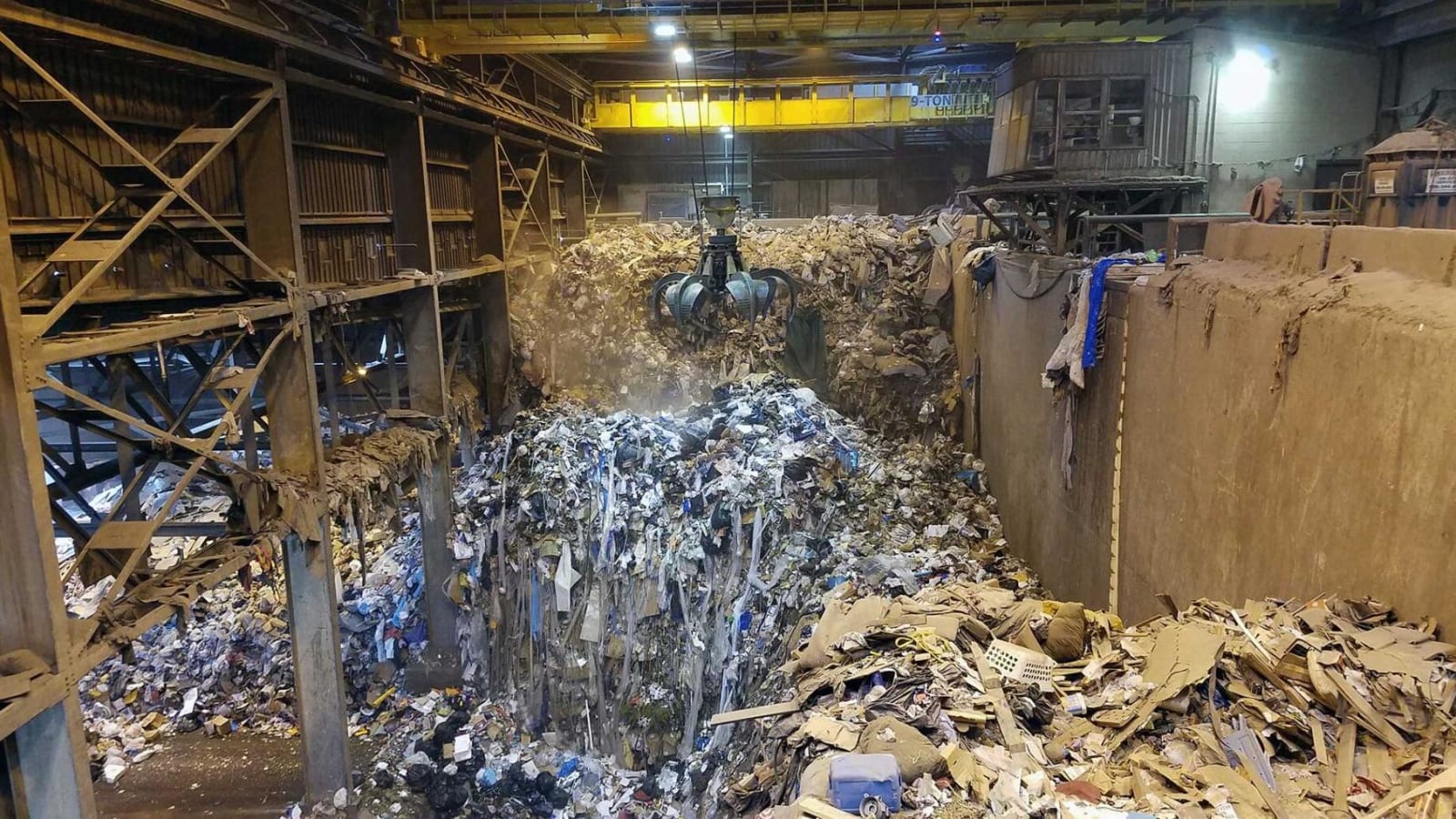
Spokane is considering a significant financial commitment to comply with state climate policies, potentially spending up to $210 million on carbon capture technology at its Waste-to-Energy plant. This project would involve installing equipment to capture carbon dioxide from the smokestack and convert it into carbonated water before transporting it for long-term storage underground. The initiative could also lead to an additional $21 million in annual operating expenses.
The project has been proposed by CarbonQuest, a company based in Spokane Valley, which recently presented the results of a $650,000 feasibility study to the Spokane City Council. The study was funded by the Climate Commitment Act, but there are concerns that taxpayers may end up covering some of the costs if the project faces challenges.
Councilmember Michael Cathcart highlighted the potential cost to voters, stating that $210 million would be required for the project. He noted that this figure assumes the availability of tax credits throughout the process, as the city could save approximately $3.25 million annually by avoiding the purchase of CCA allowances.
The Climate Commitment Act (CCA) is a statewide program that limits greenhouse gas emissions unless entities buy additional allowances at quarterly auctions. In recent months, the state sold 6.9 million carbon credits at $64.30 each, generating about $446 million, with most of the funds going to the state. Critics argue that the CCA has contributed to high gas prices in Washington, which currently rank as the highest in the nation.
If Spokane fails to bring its Waste-to-Energy facility into compliance, the CCA could cost taxpayers an estimated $8 million annually through higher utility rates. Michael Laucius, vice president of business development at CarbonQuest, believes federal tax credits could help fund the project. The Internal Revenue Service offers the 45Q credit for carbon sequestration, which provides payments per ton of CO2 captured or allows entities to sell the credits to others, provided construction begins before January 1, 2033.
Laucius mentioned that companies are already generating carbon credits and that there is potential to monetize them. However, the IRS does not issue 45Q credits until after verifying eligibility, which could lead to delays. If the city encounters issues, debt service and operating costs would continue, and taxpayers might need to cover any shortfall if revenue falls short.
The international market for carbon credits is also subject to fluctuating demand and benchmarks, adding another layer of uncertainty. According to an economic analysis, building the $210 million project could generate $41.4 million in annual revenue, with operating costs of $21.4 million. A smaller facility could produce $24.4 million in revenue, with operating costs at $13.3 million after accounting for CCA penalties.
The goal is to pay off the project over a decade, according to the study. While the plan appears financially viable on paper, it depends on everything going smoothly. Delays in payments or a downturn in the international market could result in higher utility rates for local taxpayers.
Another challenge is that the carbon capture project would use almost all the electricity generated by the Waste-to-Energy plant, leaving no surplus to sell to the roughly 11,000 homes supplied by the city.
“We’re ready to work with the city to develop a plan for next steps,” Laucius said, emphasizing the need for coordination with the state and validation of market assumptions before proceeding with bidding. The timeline for the project is expected to be extended, requiring careful planning and execution to ensure success.

Posting Komentar untuk "CCA Compliance Could Cost Spokane $210M to Upgrade Waste-to-Energy Plant"
Posting Komentar