
Fed Meeting Live: September Updates and Analysis
The September Fed Meeting: A Key Moment for Monetary Policy
The Federal Reserve's September meeting, scheduled from Tuesday, September 16, to Wednesday, September 17, is a pivotal event in the U.S. economic calendar. This gathering marks the sixth of eight planned meetings in 2025 and will determine the next steps in monetary policy. Following a series of weaker-than-expected jobs data, the central bank is widely anticipated to resume rate cuts, although the exact magnitude remains uncertain.
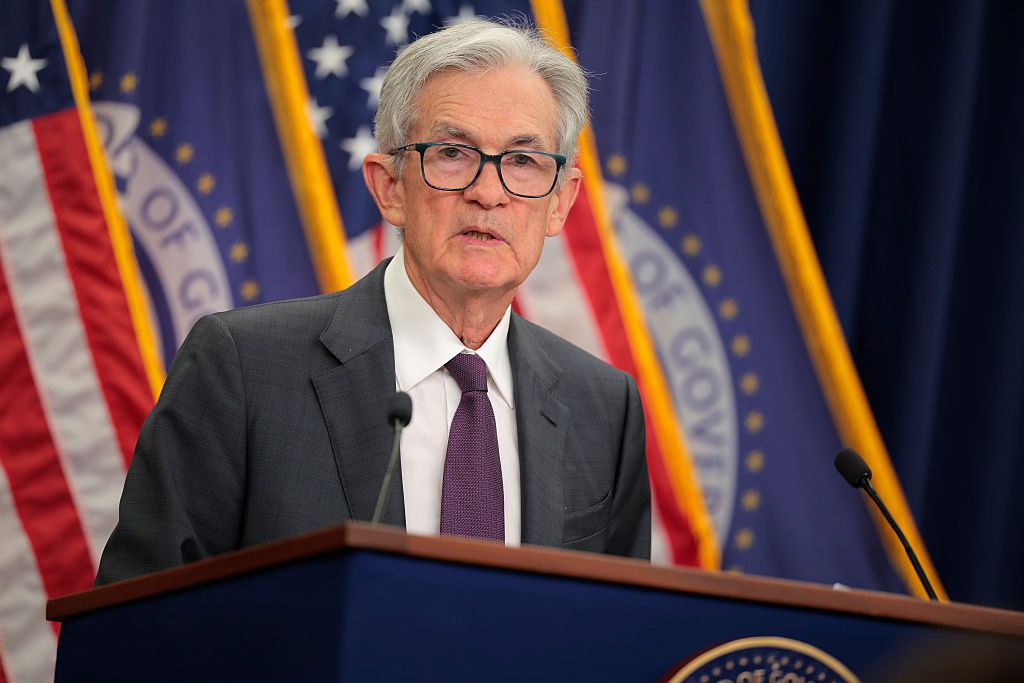
One of the key components of this meeting is the release of the Summary of Economic Projections (SEP), often referred to as the "dot plot." This document provides insights into where each member of the Federal Open Market Committee (FOMC) expects the federal funds rate to be by the end of the year. Additionally, the press conference led by Federal Reserve Chair Jerome Powell could be particularly significant, especially given the increasingly confrontational stance of the Trump administration toward the committee members.
Inflation and Labor Market Concerns
Recent economic reports have raised concerns about the labor market, with the August Consumer Price Index (CPI) showing a 0.4% increase month-over-month, higher than expected. Year-over-year, CPI rose 2.9%, marking the largest annual increase since January. However, core CPI, which excludes volatile food and energy prices, increased by 0.3% month-over-month and 3.1% year-over-year, aligning with economists' forecasts.
William Blair macro analyst Richard de Chazal noted that while there was a small upside surprise in the CPI data, consumer price changes have generally surprised to the downside relative to expectations. He also pointed out that companies are absorbing some of the costs associated with tariffs, rather than passing them directly to consumers.
The labor market has also shown signs of weakening, with weekly jobless claims rising to 263,000, the highest level since October 2021. While economist Bill Adams cautioned that the data should be interpreted with caution due to its volatility, he acknowledged that the job market is "the wobbliest since the pandemic."
The Impact of Tariff Policies
President Trump's tariff policies continue to influence inflation, albeit moderately. According to the Bureau of Labor Statistics, the August CPI report indicated that these policies have had a limited impact on price pressures. However, the Fed is more focused on the weakening labor market than on sustained inflation, according to analysts.
Goldman Sachs Asset Management's Simon Dangoor highlighted that while slowing supply growth due to reduced immigration is mitigating upward pressure on the unemployment rate, the Fed is aware that a low-demand, low-supply equilibrium is fragile and vulnerable to deterioration.
The Path Forward for the Fed
With the upcoming Fed meeting, the focus is on whether the central bank will implement a quarter-point rate cut or consider larger reductions. The probability of a 25-basis-point cut is currently at 96.4%, according to CME FedWatch, while the odds of a 50-basis-point move remain low at 0.0%.
Wells Fargo economists Sarah House and Michael Pugliese anticipate a quarter-point rate cut, noting that the labor market has become more precarious since the last meeting in July. They also expect the Fed to maintain flexibility for further rate cuts in the coming months.
What to Watch for in the Press Conference
Chairman Powell's press conference will be closely watched for any signals regarding the Fed's stance on inflation and the labor market. Analysts expect the statement to reflect the Fed's growing concerns about the labor market, potentially downgrading the previous characterization of "solid" conditions to something more cautious.
Deutsche Bank economists anticipate that the opening paragraph of the statement may note the slowdown in job gains and the rise in the unemployment rate. They also expect potential dissents from some committee members, including Stephen Miran, who is likely to support a larger rate cut.
Global Central Bank Activity
This week is also significant for other central banks. The Bank of Canada is expected to cut rates by 25 basis points, while the Bank of England is likely to hold rates steady. The Bank of Japan is also expected to maintain its current policy rate, with market expectations pointing toward a future hike.
Market Reactions and Investor Sentiment
As the Fed meeting approaches, markets remain cautiously optimistic. The Nasdaq Composite closed at an all-time high, while the S&P 500 and Dow Jones Industrial Average hovered near their recent peaks. The yield on the 2-year U.S. Treasury note dropped slightly, reflecting expectations of rate cuts.
Investor sentiment remains mixed, with some analysts suggesting that the stock market may not be overly concerned about the labor market yet. However, the Fed's decisions will play a crucial role in shaping future economic conditions and investor behavior.
Conclusion
The September Fed meeting will set the tone for the remainder of 2025, influencing everything from mortgage rates to investment strategies. As the central bank weighs the risks of inflation against the need to support a weakening labor market, the outcome of this meeting will have far-reaching implications for the U.S. economy and global financial markets. Investors and analysts alike will be watching closely for any signals from the Fed as it navigates this complex economic landscape.

Posting Komentar untuk "Fed Meeting Live: September Updates and Analysis"
Posting Komentar