
First-Time Buyers Opt for Big Mortgages for a Forever Home
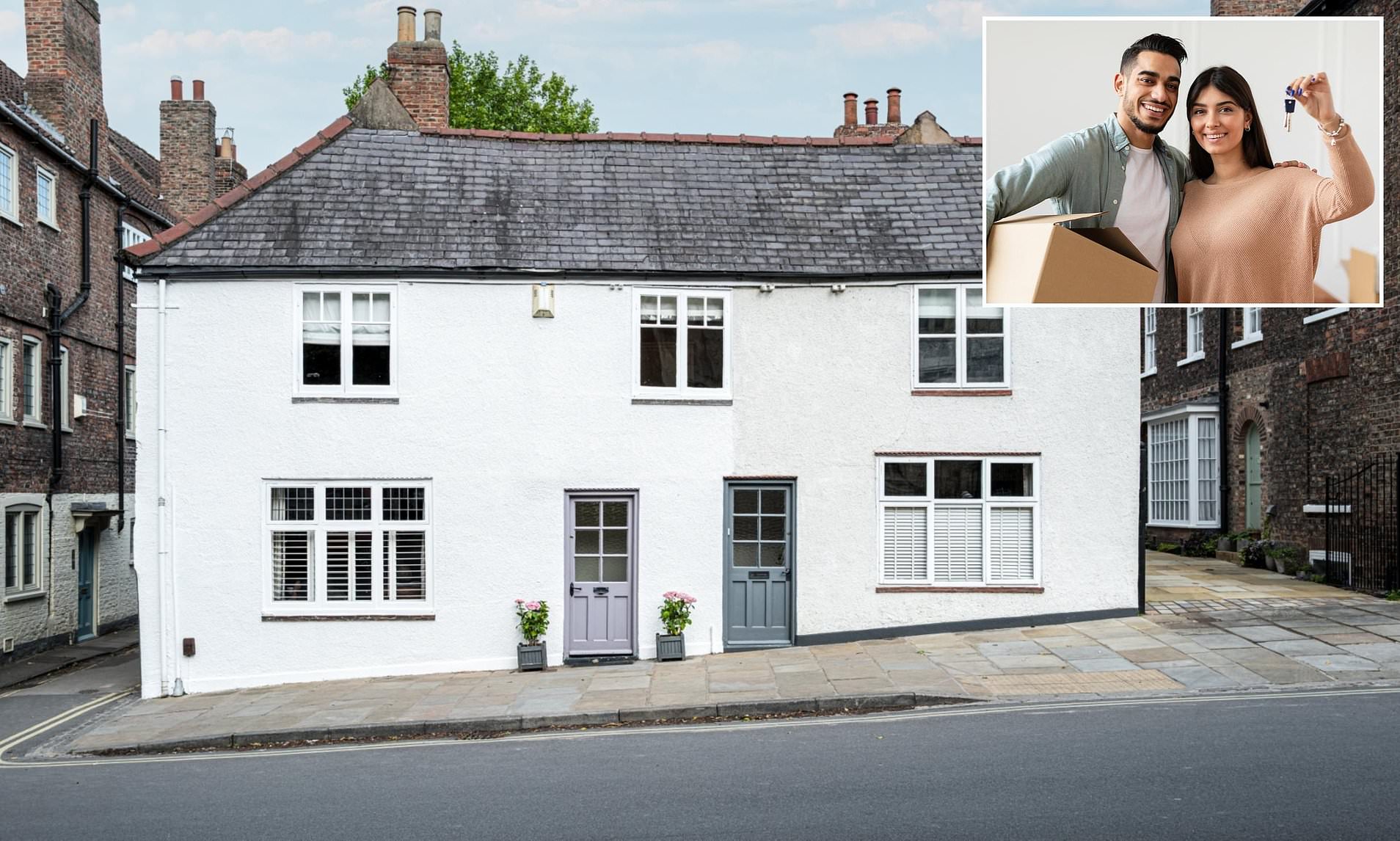
Shift in Buying Habits Among First-Time Homebuyers
First-time homebuyers are increasingly looking for properties that can serve as long-term homes, rather than temporary solutions. This shift is reflected in the data from Barclays, which highlights a growing trend of buyers opting for larger homes that can accommodate their future needs.
In August, 33.5% of first-time buyers chose to purchase semi-detached houses, marking an increase of 1.7% compared to the previous year. This contrasts with the decline in flat purchases, which fell to 19%, down by 2.7%. The preference for semi-detached homes suggests a desire for more space and stability, as these properties often offer additional room for families or future growth.
Three-bedroom properties were the most popular choice, accounting for 46% of all purchases in August. This indicates that buyers are prioritizing homes that can meet their long-term needs, potentially avoiding the costs and hassle of moving again in the near future.
Extended Mortgages: A New Norm
To finance these larger purchases, many first-time buyers are turning to longer mortgage terms. While 25-year mortgages were once standard, they are becoming less common. Instead, 30-year or longer terms are gaining popularity. According to Barclays' data, 41.3% of first-time buyers opted for a mortgage lasting 30 years or more in August.
The appeal of extended mortgages lies in the lower monthly payments, even though borrowers end up paying more over the life of the loan. Around 37% of mortgage holders found 30 to 40-year terms more attractive due to the potential for reduced monthly expenses.
However, this financial strategy comes with its own challenges. On average, homeowners reported that their mortgage accounted for 27.7% of their take-home pay in August, up from 26.6% in July. For two in five homeowners (41%), mortgage payments still consume a significant portion of their income, raising concerns about affordability.
Why Buyers Are Opting for Bigger Homes
Several factors are driving the shift toward larger homes. One key reason is the high cost and inconvenience of moving. Expenses such as stamp duty, legal fees, surveys, and renovation costs can add up quickly. For instance, a second-stepper buying a £300,000 home would face a stamp duty fee of around £5,000.
Additionally, the average age of a first-time buyer has risen to 33, according to Halifax data. Many buyers are now considering their future family needs when purchasing their first home. Millennials, specifically those aged 28 to 43, are particularly likely to prioritize extra space. Over 22% of this group bought a property with more bedrooms than they currently need, compared to 13% across all age groups.
Nearly three in 10 recent buyers plan to stay in their new home for at least 10 years, further emphasizing the move toward long-term living arrangements.
Mortgage Trends and Lender Flexibility
Jatin Patel, head of mortgages, savings, and insurance at Barclays, noted that first-time buyers are no longer viewing property as just a short-term investment. “Our data shows that first-time buyers are not considering property merely to get a 'foot on the ladder' but for the long term,” he said.
Banks and building societies have also introduced more flexible mortgage options to support first-time buyers. For example, Newcastle Building Society recently launched a 2% deposit mortgage, available only to those who do not rely on family support. This initiative aims to help buyers enter the market more quickly, despite the higher overall costs.
Recent regulatory changes have also made it easier for individuals with lower incomes to secure mortgages. Rachel Reeves enabled lenders to relax some of their lending rules, allowing for more flexible borrowing. Previously, loans exceeding 4.5 times the borrower’s annual income were limited to 15% of the lender’s mortgage book. Now, some lenders are offering loans up to six times the borrower’s salary.
Lenders like Nationwide and Lloyds have already expanded their offerings to accommodate these changes. Others have simplified the process by lowering their stress rates, which are used to assess a borrower’s ability to manage higher interest costs. These adjustments are helping more people access the housing market, even with tighter financial constraints.

Posting Komentar untuk "First-Time Buyers Opt for Big Mortgages for a Forever Home"
Posting Komentar