
How Does TSA's Facial Scan Work?
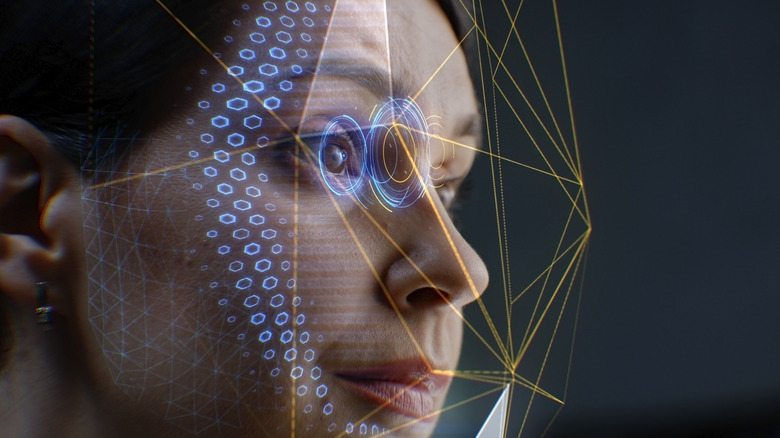
Understanding the TSA Facial Scan Technology
Navigating through airport security can be a stressful experience, especially with the ever-evolving set of rules and procedures. One of the latest developments in this process is the use of facial scan technology by the Transportation Security Administration (TSA). This new system has raised questions among travelers about its impact on privacy and data security.
The TSA's facial scan technology was introduced as part of an effort to enhance security while streamlining the screening process. A report from Deloitte in 2020 highlighted the benefits of biometric scanning, particularly in the context of the COVID-19 pandemic, where contactless solutions became increasingly important. The report suggested that the integration of facial biometrics could lead to a more seamless travel experience, supported by collaboration between airports, airlines, and government agencies.
Today, this vision is becoming a reality, with facial scans being implemented at over 250 airports across the United States. The TSA emphasizes that this technology is designed to improve efficiency and safety, while also ensuring data security. However, many travelers still have concerns about how their personal information is being handled.
What Does the TSA Facial Scan Actually Do?
Similar to the TSA’s rules for electronic devices, the facial scan serves a specific purpose: to verify that the person presenting an ID is indeed the rightful owner. This process, known as Credential Authentication Technology (CAT-2), aims to prevent fraudulent activities such as individuals using someone else’s ID to board an airplane.
The facial scan is integrated into the standard security checkpoint process, meaning it can be used at any point, including TSA PreCheck and enhanced screening areas. The technology works by using algorithms developed in partnership with Customs and Border Patrol. These algorithms are designed to account for variations like changes in lighting or background conditions, which helps minimize the risk of misidentification.
Travelers have the option to consent to a facial scan, but they can also choose to opt out without facing any negative consequences. If a traveler declines, the TSA officer will proceed with a standard ID verification check. According to Customs and Border Patrol, photos of U.S. citizens are deleted from the database after 12 hours.
Privacy Concerns and Criticisms
Despite the TSA’s assurances regarding privacy, concerns remain. Some travelers have reported pushback when declining to participate in the facial scan, with some agents suggesting that it could lead to longer wait times or delays. Critics argue that this practice sets a dangerous precedent for surveillance and raises serious questions about the long-term use of biometric data.
The Electronic Privacy Information Center (EPIC) has expressed concerns about the lack of restrictions on how the TSA uses facial recognition technology. They have pointed out inconsistencies in the agency’s reports and warned that the absence of clear guidelines could lead to misuse of personal data.
India McKinney, director of federal affairs at the Electronic Frontier Foundation, has emphasized that the issue is not about the integrity of one's face or driver's license, but rather about the control individuals have over their personal data. She argues that once facial information is collected, it becomes part of a database that travelers have no authority over.
Vahid Behzadan, an assistant professor of computer science and data science, has also raised concerns about the security of the system. He points out that no cyber system is completely secure, and the potential for vulnerabilities exists. If an adversary were to compromise the system, they could gain access to all the facial images and related details, assuming other identification data is also stored.
Conclusion
As the use of facial scan technology continues to expand, it is essential for travelers to understand their rights and the implications of participating in the process. While the TSA maintains that the system is voluntary and designed with privacy in mind, the ongoing debates highlight the need for transparency and accountability in how biometric data is collected, stored, and used. As technology evolves, so too must the policies that govern its use to ensure that individual privacy is protected.

Posting Komentar untuk "How Does TSA's Facial Scan Work?"
Posting Komentar