
Inflation Hits Some Americans Harder Than Others
The Growing Divide in the US Economy
The United States economy is showing signs of a growing divide between those who have and those who don't. This gap is being widened by rising inflation, which is influenced in part by import tariffs. These tariffs, implemented under previous administrations, are beginning to affect consumers in significant ways.
Recent data from government sources indicates that businesses are starting to pass on the costs of these tariffs to consumers. However, despite this, inflation remains below its peak levels. There is still debate about how much these tariffs will contribute to a long-term increase in price hikes.
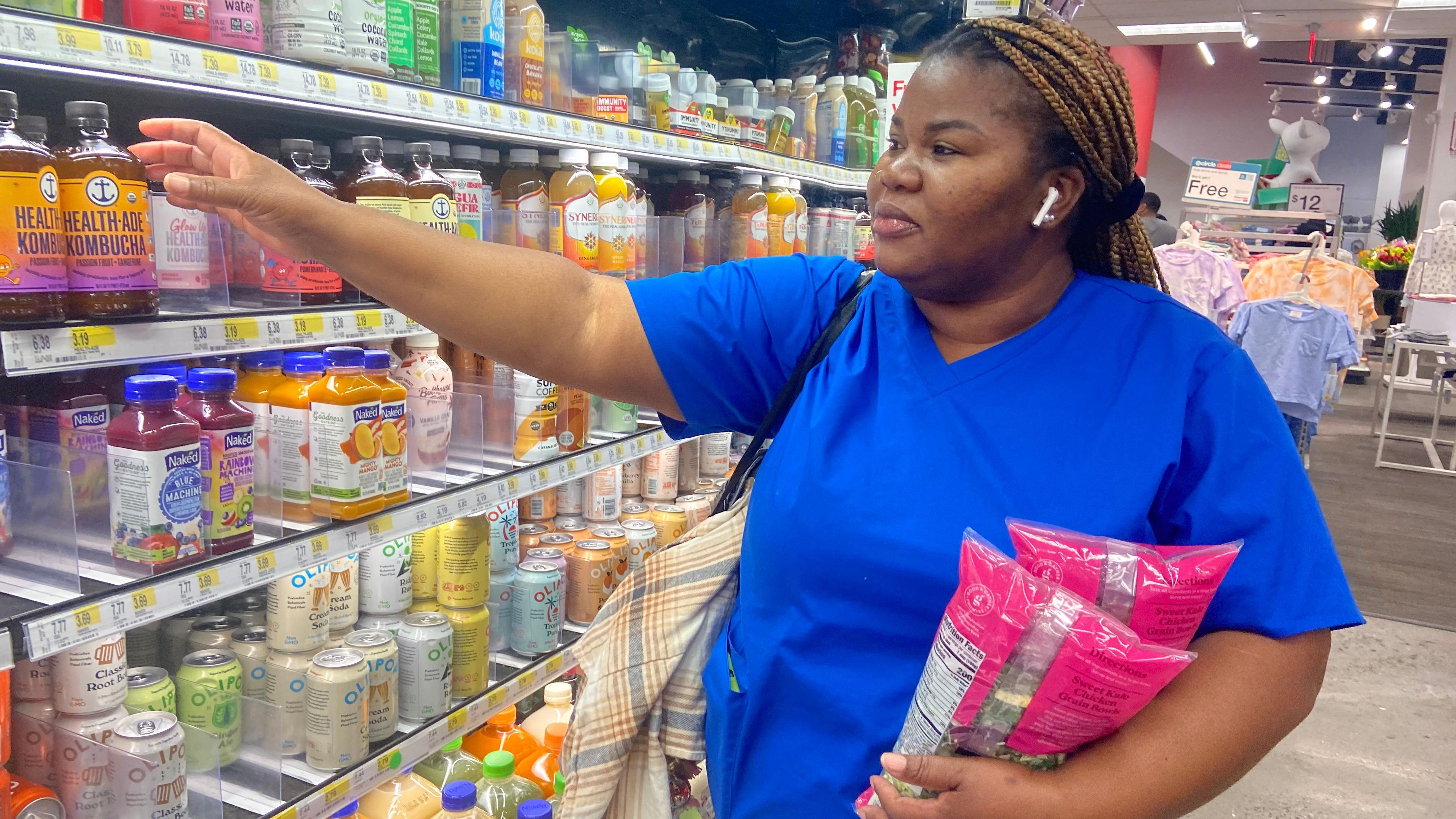
For many Americans, the impact of these rising prices is becoming more evident. Yanique Clarke, a nursing student in Manhattan who identifies as lower-income, has noticed a significant increase in the cost of groceries. She mentioned that prices for meat, vegetables, and fruits have become "drastically high." Additionally, when she went back-to-school shopping for her 13-year-old daughter, she found that clothing prices were also "very much higher compared to previous years."
This experience aligns with data from the Labor Department, which showed that in August, prices for several tariff-exposed products increased. Clothing prices rose by 0.5% from the previous month, while grocery prices increased by 0.6%. Coffee, a product sensitive to tariffs, saw particularly strong gains.
Economists suggest that factors beyond tariffs may also be influencing food prices. For instance, the Trump administration's immigration policies could be contributing to higher labor costs in the food and agriculture sectors due to mass deportations.
However, the way Americans experience rising prices varies significantly. Ernie Tedeschi, director of economics at the Yale Budget Lab, noted that lower-income households are especially vulnerable to the effects of tariffs. These households tend to spend a larger portion of their budget on imports, and many of the goods affected by tariffs are lower-priced items, such as those from China.
A recent report from the Yale Budget Lab highlighted that core goods prices were 1.9% above pre-2025 trends, indicating that tariffs are affecting a range of basic products, including window coverings, appliances, and electronics.
Corporate leaders are also recognizing this divide. McDonald's CEO Chris Kempczinski recently warned that higher-income Americans continue to spend freely, while others struggle. As a result, the chain is expanding its value menu to attract price-conscious customers. He described the current economic situation as a "two-tier economy."
At a Target store in Manhattan, Nancy Garcia, a middle-income worker in the publishing and gifts industry, shared her concerns about rising prices. She now engages in more price comparisons, checking if items are available at a discount in other stores. However, even supermarkets have become expensive, making it harder for her to manage her budget.
Sylvia Sealy, a part-time nurse in Brooklyn, also feels the impact of rising prices. She noted that she now shops more strategically, looking for the best deals. Before, she would simply purchase what she needed without considering the cost as closely.
Recent reports indicate that less affluent Americans are facing increasing financial strain. Data from the Census Bureau revealed that only the highest earning households saw an increase in inflation-adjusted income last year. Middle and low-income households did not experience statistically significant changes.
Additionally, a study from the Boston Federal Reserve found that low and middle-income consumers are carrying higher levels of credit card debt than before the pandemic. Wealthier individuals are increasingly supporting the consumer economy, according to the study.
Ryan Sweet, chief US economist at Oxford Economics, stated that overall, the consumer market is doing reasonably well. However, those with less savings are particularly vulnerable to the effects of tariffs. He emphasized that the consumer landscape is becoming more divided, with distinct differences in how different income groups are affected.

Posting Komentar untuk "Inflation Hits Some Americans Harder Than Others"
Posting Komentar